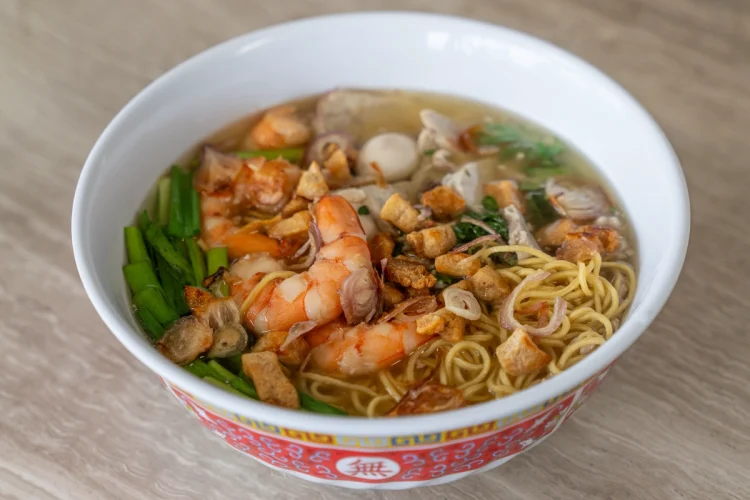
After a night of excessive drinking in my 20’s, I woke up incredibly hungover. At that moment, for whatever reason, I was craving Bún Bò Huế, so I hit up my best friend and asked if he wanted to go to Hoàng Lan, which, in my opinion, has the best BBH in Seattle. Half an hour later, we met in the parking lot and walked through the restaurant’s back entrance. Now, Hoàng Lan is a place that I grew up eating at, and they really only have one thing on their menu, so with confidence, I asked the waitress, “cho em hai tô bún bò Huế lớn, đặc biệt”, which translates to, “can I have two orders of the large special bun bo hue?” She shoots me a weird look, pauses, and responds annoyingly by saying they don’t serve bun bo hue here, but they do have hủ tiếu nam vang, and it’s really good.
So, in my impaired state of consciousness, I had actually led my friend to Cafe Hương Quê, right next door. If you’re familiar with the two restaurants, you could understand how I could’ve made that mistake. The back entrance is nondescript and could easily be confused with one another. Needless to say, going to Cafe Hương Quê was one of the best mistakes I’ve ever made because their hủ tiếu is one of the best I’ve ever had. My recipe for Mi Thap Cam is an homage to that memory, and it’s so good and pretty easy to make once you break it all down.

The History Behind Mi Thap Cam
Waves of migration have shaped Vietnamese cuisine, and mi thap cam is a prime example of Vietnamese-Chinese culinary fusion. The dish traces its roots to Cantonese-style noodle soups, which were introduced to Vietnam by Chinese immigrants. Over time, it evolved with local ingredients and preferences, incorporating the bold flavors and aromatic herbs that define Vietnamese cooking.
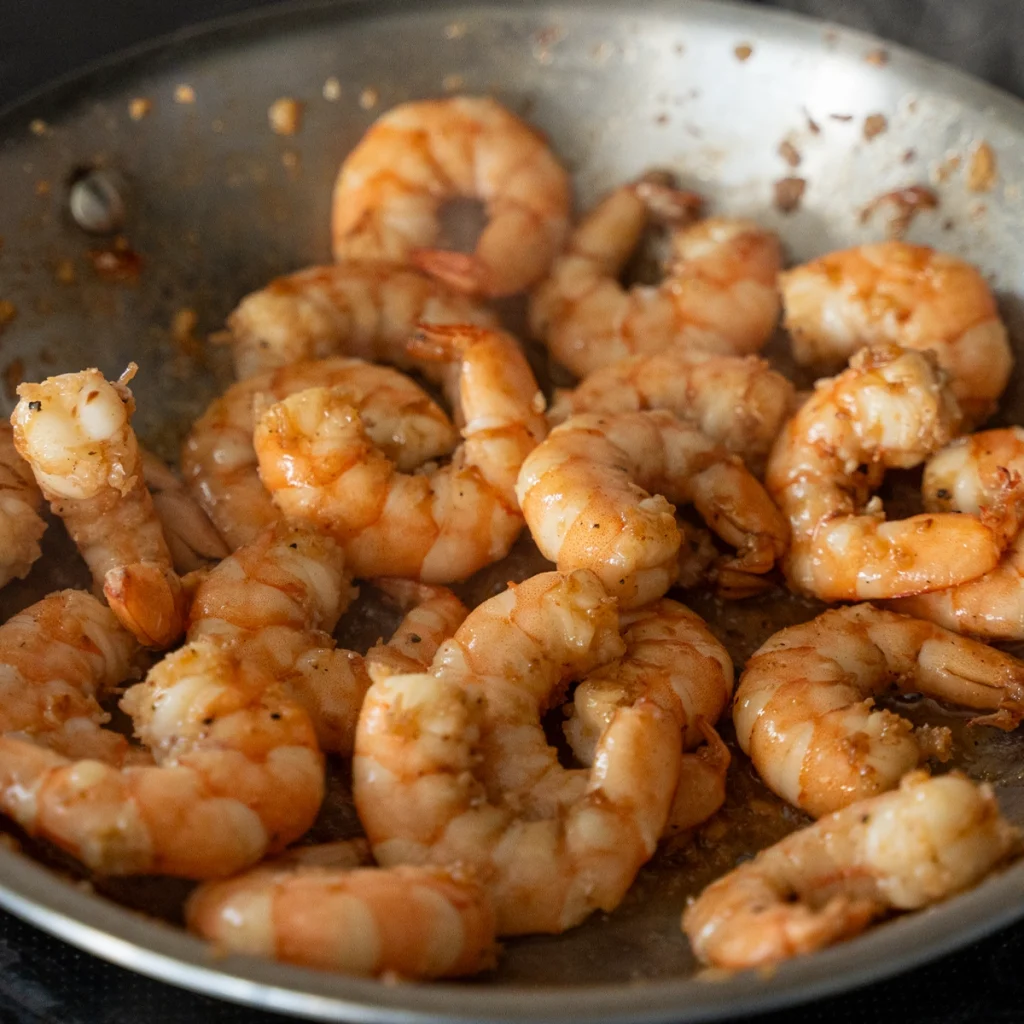
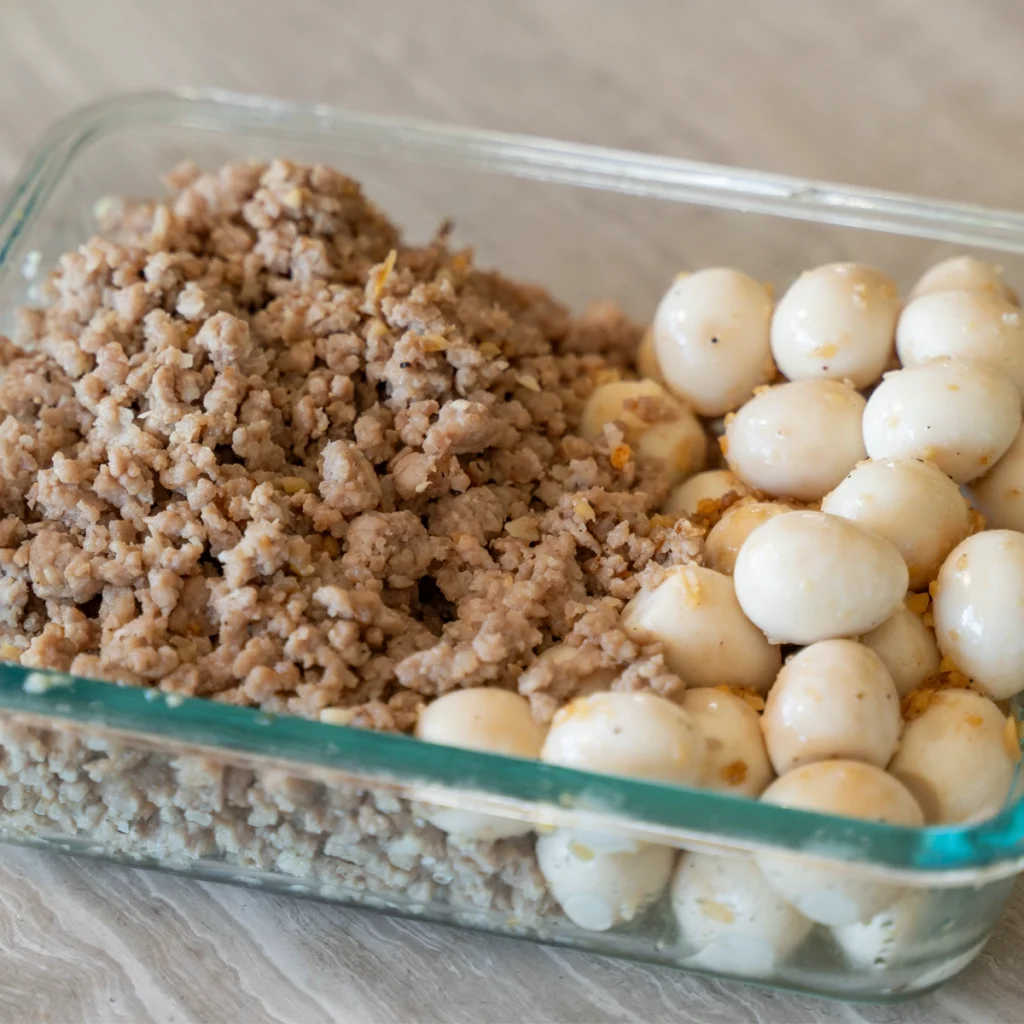
You may have seen the term thập cẩm on many Vietnamese restaurant menus, and it simply means mixed, numerous, or combination. This name refers to all the different toppings, including shrimp, squid, pork, and quail eggs. All the components come together harmoniously and give you a different adventure in every bite.
A Close Cousin to Hu Tieu Nam Vang
Mi tap cam shares many similarities with Hủ Tiếu Nam Vang, a dish heavily influenced by Cambodian and Chinese flavors. Both noodle soups feature a pork and seafood-based broth that is simmered to develop deep umami flavors. The toppings also overlap—slices of pork, shrimp, ground meat, quail eggs, and fried garlic often make an appearance. The key difference? Mi thap cam uses egg noodles instead of the standard white rice noodles, giving the dish a richer, slightly firmer texture.
Why You’ll Love Mì Thập Cẩm
A Flavor-Packed Broth – The combination of pork bones, dried squid, and shrimp shells creates a deeply savory and slightly sweet broth that keeps you coming back for more.
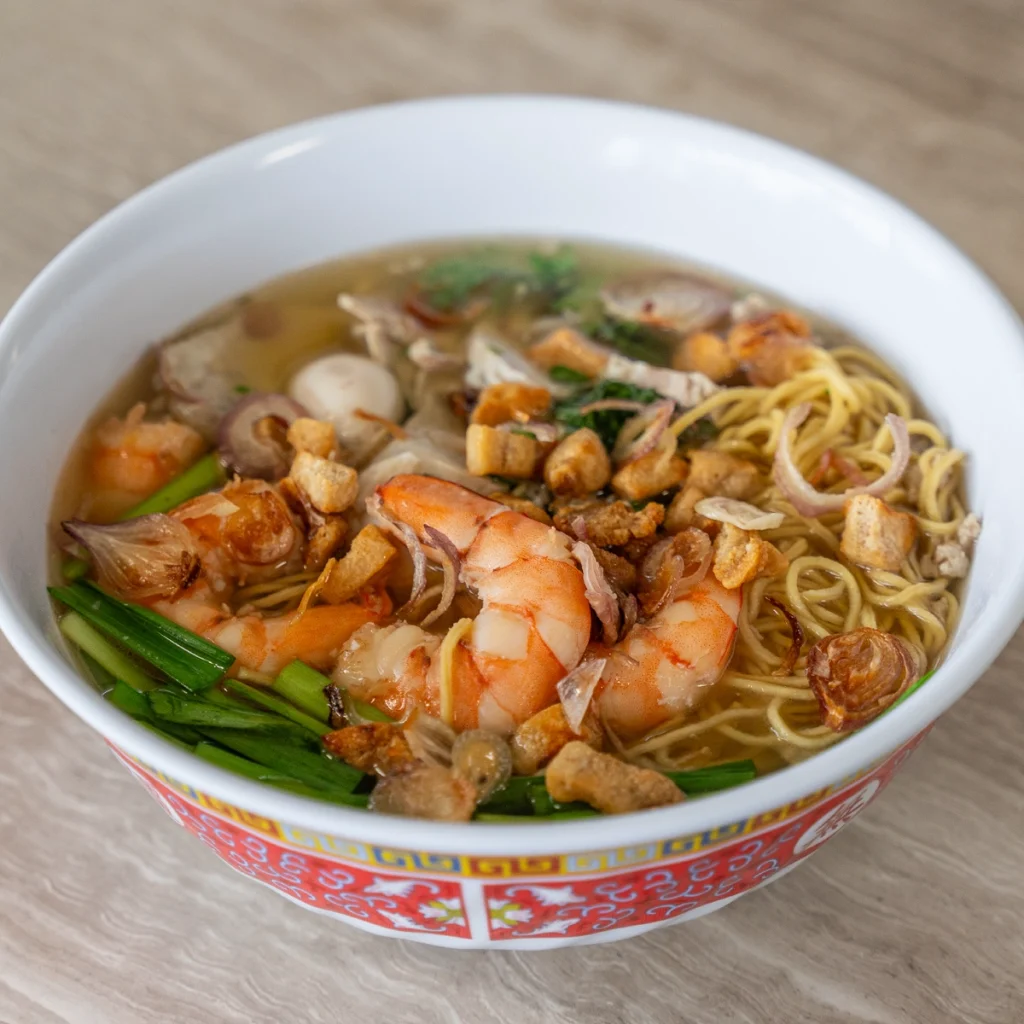
Egg Noodles with the Perfect Bite – Unlike rice noodles, the springy texture of mi (egg noodles) adds a satisfying chewiness to every bite.
A Topping for Every Craving – Whether you love succulent shrimp, tender slices of pork, or a rich quail egg, there’s something for everyone.

House Special Egg Noodle Soup / Mi Thap Cam
6-8
servings1
hour1
hour30
minutesIngredients
- Broth:
6 quarts Water
2 lbs Pork Neck Bones
2 lbs Pork Butt
½ cup Dried Shrimp
1 piece Dried Squid
1 Yellow Onion
1 small Daikon
1 inch nub Rock Sugar
2 tbsp MSG
4 tbsp Fish Sauce
- Noodles:
2 packages Egg Noodles
- Toppings:
1 lb Pork Liver (Optional)
2 Whole Squid (Optional)
2 lb Shrimp
1 lb Ground Pork
2 cans Quail Eggs
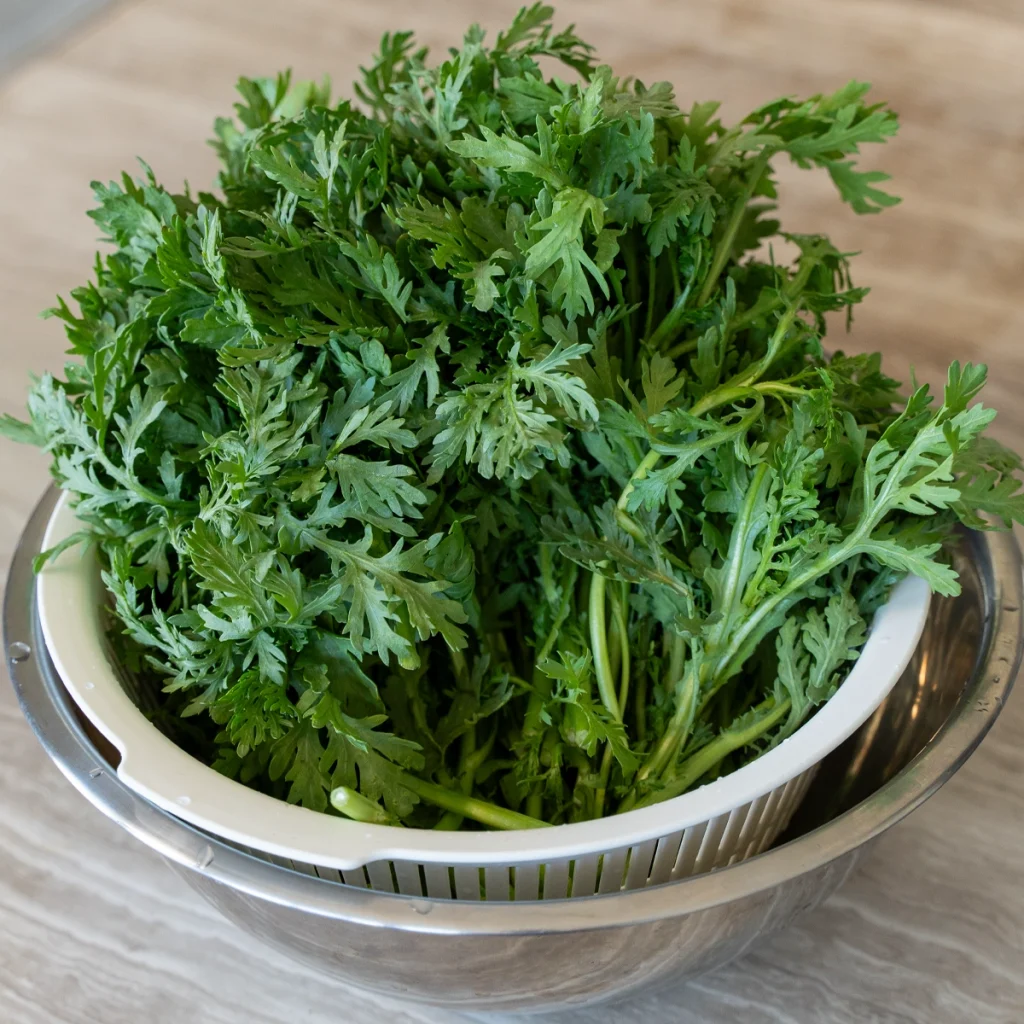
1 bundle Chrysanthemum
- Seasoning for squid, shrimp, ground pork, and quail eggs:
1 tsp Minced Garlic
1 tsp Fish Sauce
1 tsp Sugar
½ tsp Black Pepper
- Garnishes:
Garlic Chives
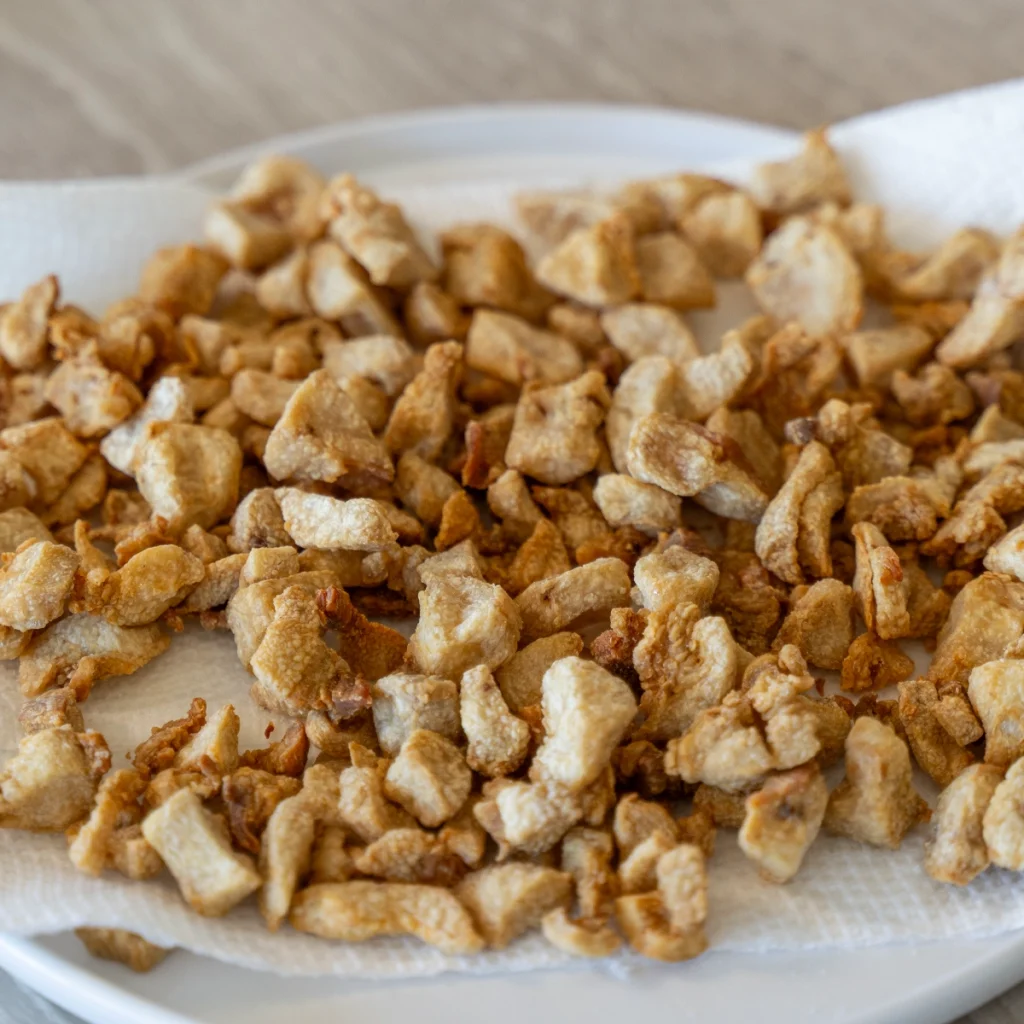
Fried Pork Fat
Fried Shallots
Black pepper
Directions
- Broth:
- Parboil pork neck bones and pork butt, then rinse and clean pork under cold water
- To a clean stockpot, add six quarts of water and bring up to a boil; add cleaned pork, dried shrimp, dried squid, a whole yellow onion, and a small daikon
- Bring up to a boil, skim off any impurities, and let that simmer for one hour
- After an hour, remove the onion and daikon so that they don’t disintegrate into the broth and to help keep the broth clean. Then let that simmer for another hour, and remove pork neck bones and pork butt. Wrap pork butt in plastic wrap and then put into the fridge to cool down
- Season broth with rock sugar, fish sauce, MSG, and salt to taste
- Toppings:
- Cut pork fat into quarter-inch pieces and fry in a dry pan until the fat has rendered and becomes golden brown. Salt immediately after and reserve some of the pork lard
- We’ll add some pork lard and sauté garlic. Then add your cleaned and cut squid and shrimp in a pan and sauté. Season with fish sauce, sugar, and black pepper. Repeat this step for ground pork and canned quail eggs
- Thinly slice pork butt when cool
- Cut Chrysanthemum into 2-3 inch sections and garlic chives into 1-inch pieces
- Serve:
- Cook egg noodles to your desired doneness and assemble bowl by adding noodles, proteins, broth, and garnishes
Recipe Video
Did you make this recipe?
Tag @feedthepudge on Instagram and hashtag it with #feedthepudge
If you like this recipe, make sure you pin it!
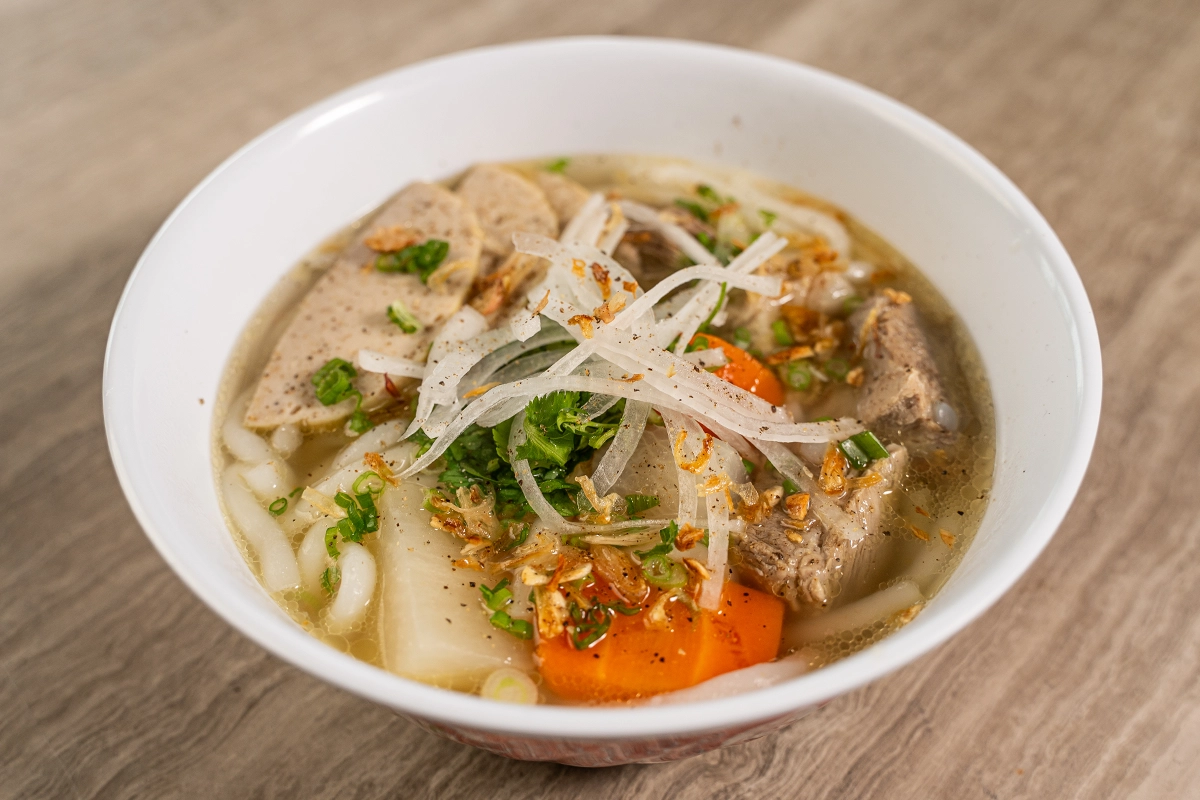


Light and soul-cleansing broth after a night of debauchery