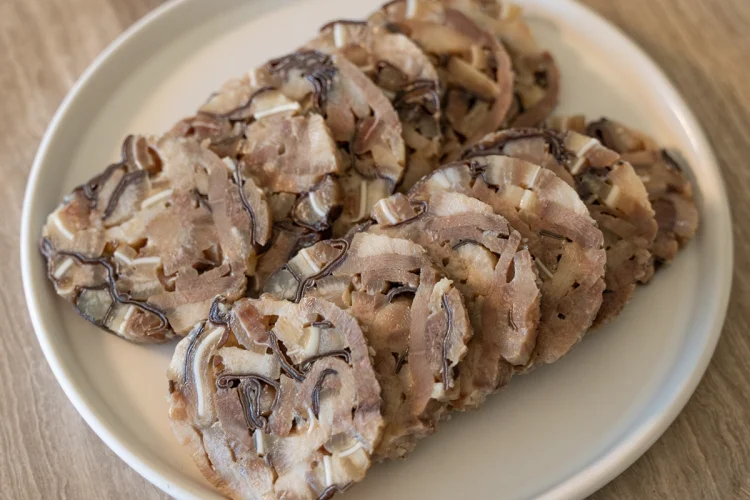
Lunar New Year is a time of celebration, reflection, and cherished traditions. For many Vietnamese families, the holiday table wouldn’t feel complete without giò thủ, a savory, flavorful delicacy that captures the essence of Vietnamese culinary heritage. As a kid, this was one of my favorite snacks or appetizers. I vividly remember hovering around the table, watching my parents, older siblings, and relatives drink and eat while I eagerly devoured as muchgio thu as I could. Its distinctive taste and texture are unforgettable, and for me, it perfectly encapsulates the spirit of Tết.
What Is Gio Thu?
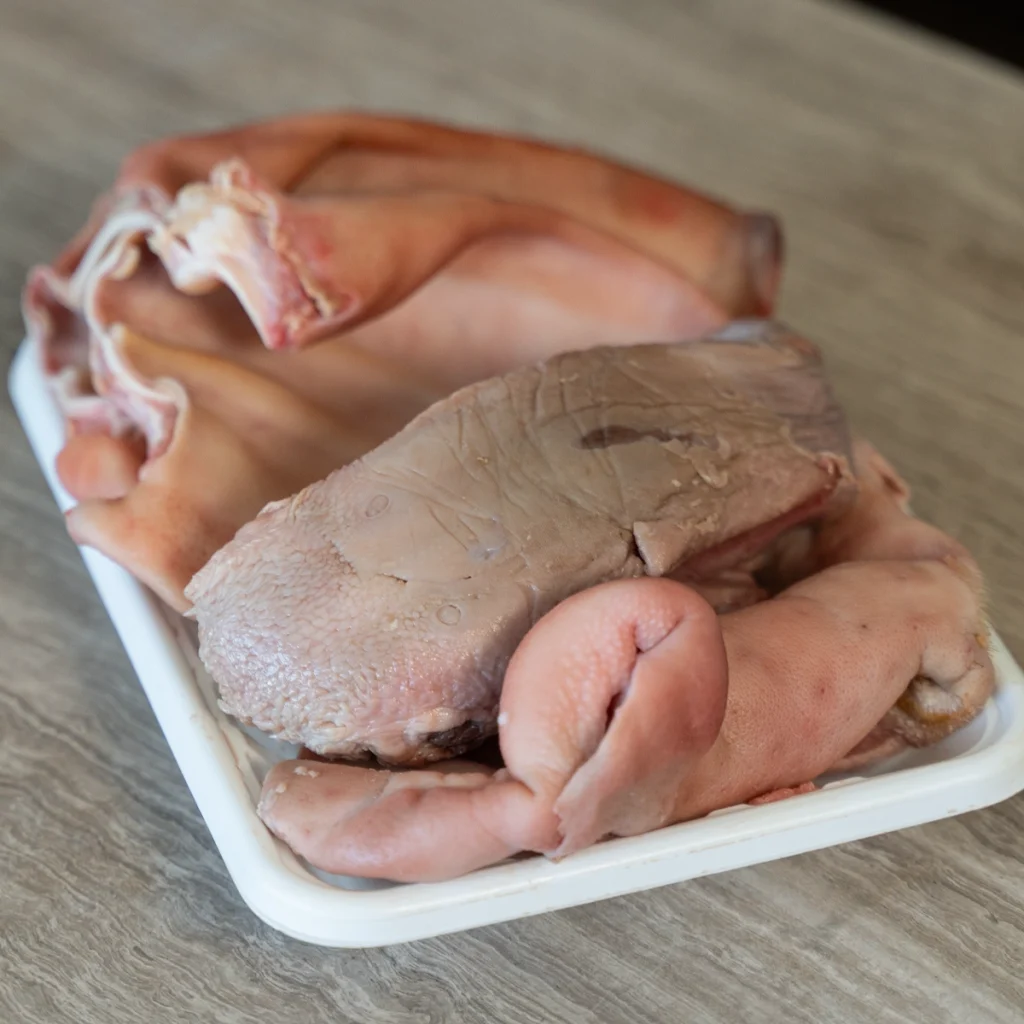
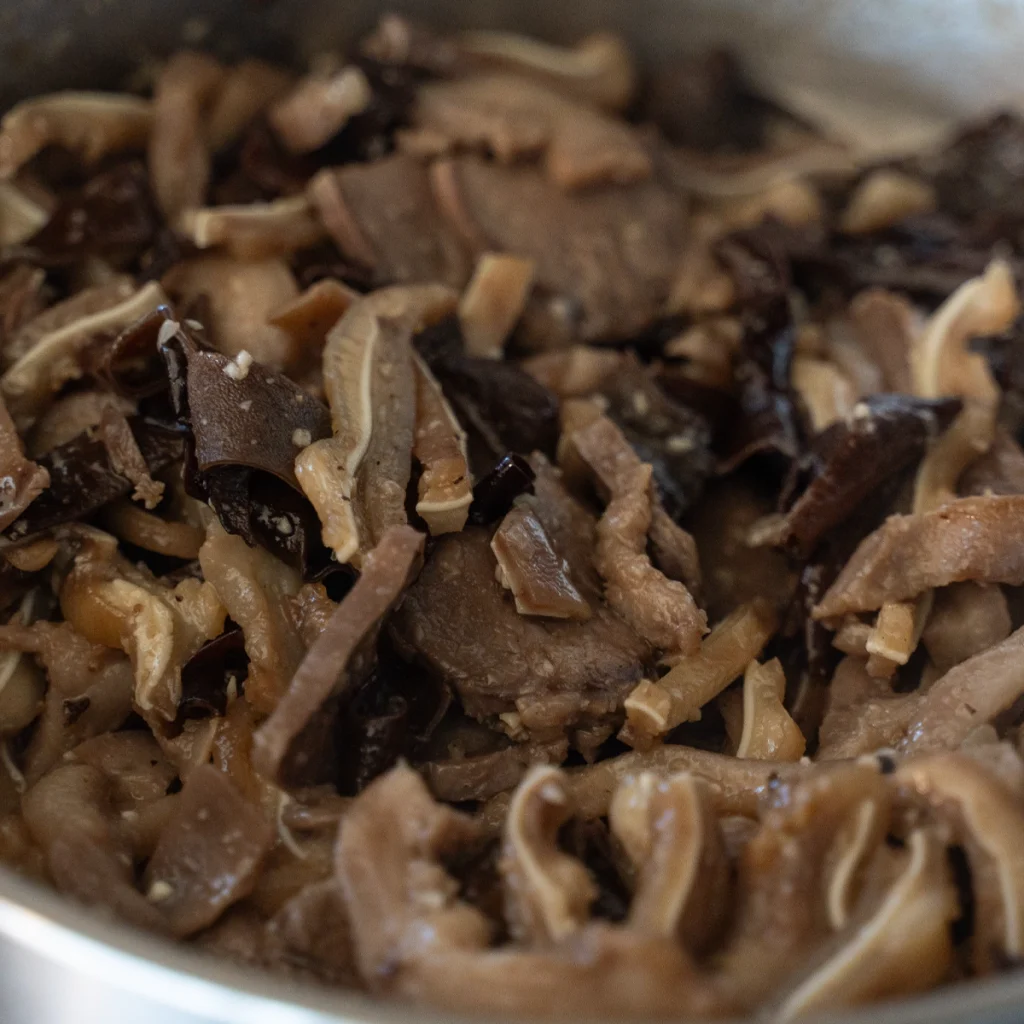
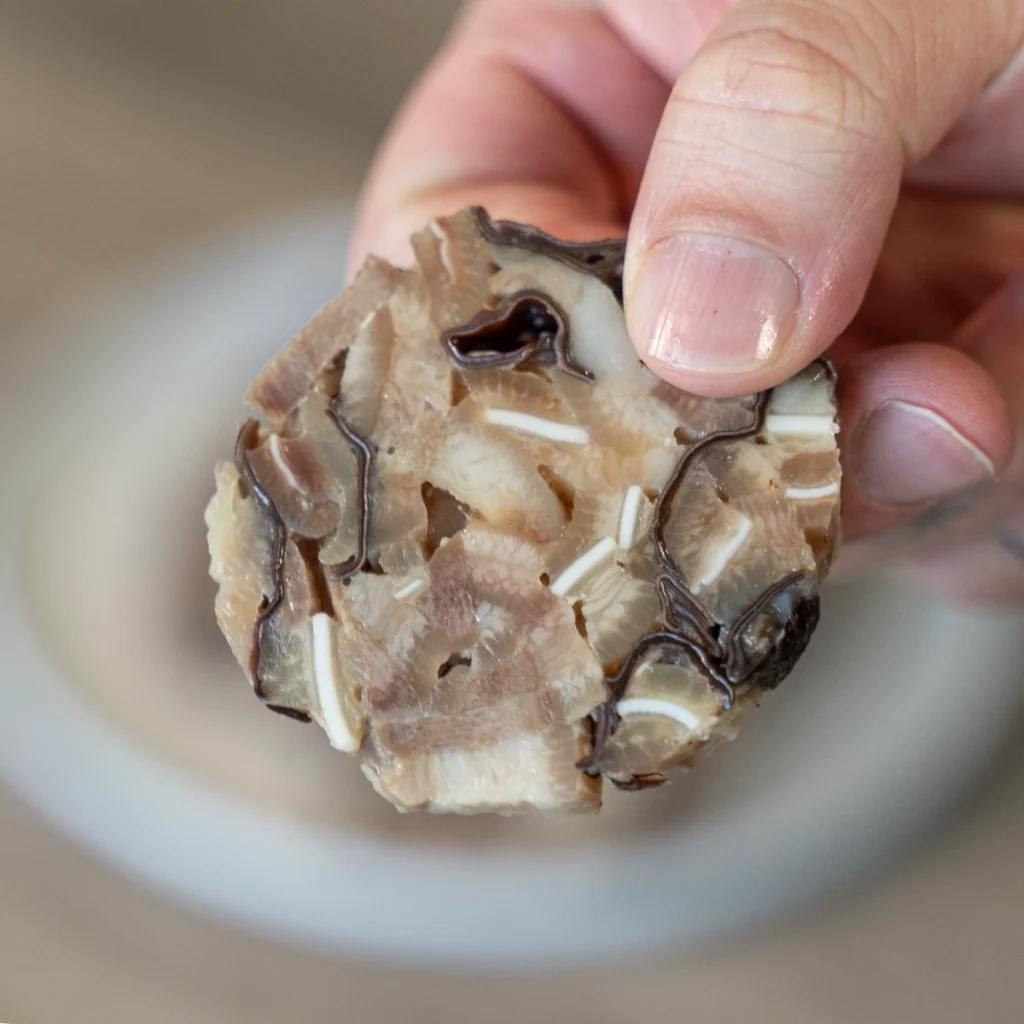
Gio Thu, or Vietnamese head cheese, is a cold cut made from various pig parts combined with wood ear mushrooms, garlic, and fish sauce. Despite its name, there is no cheese in gio thu. Instead, it’s a terrine-like dish where pork tongue, snout, and ear are bound together with gelatin from simmered pig skin and set into a firm, sliceable loaf.
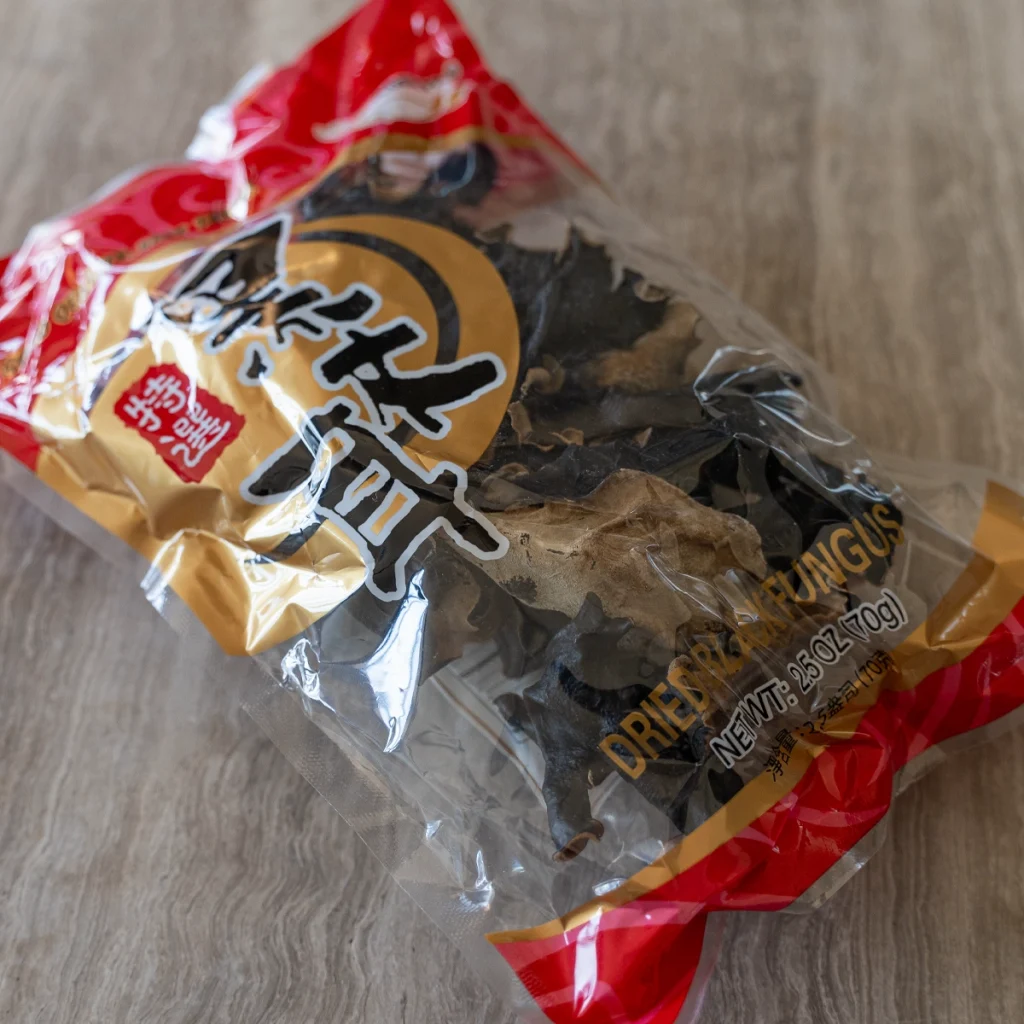

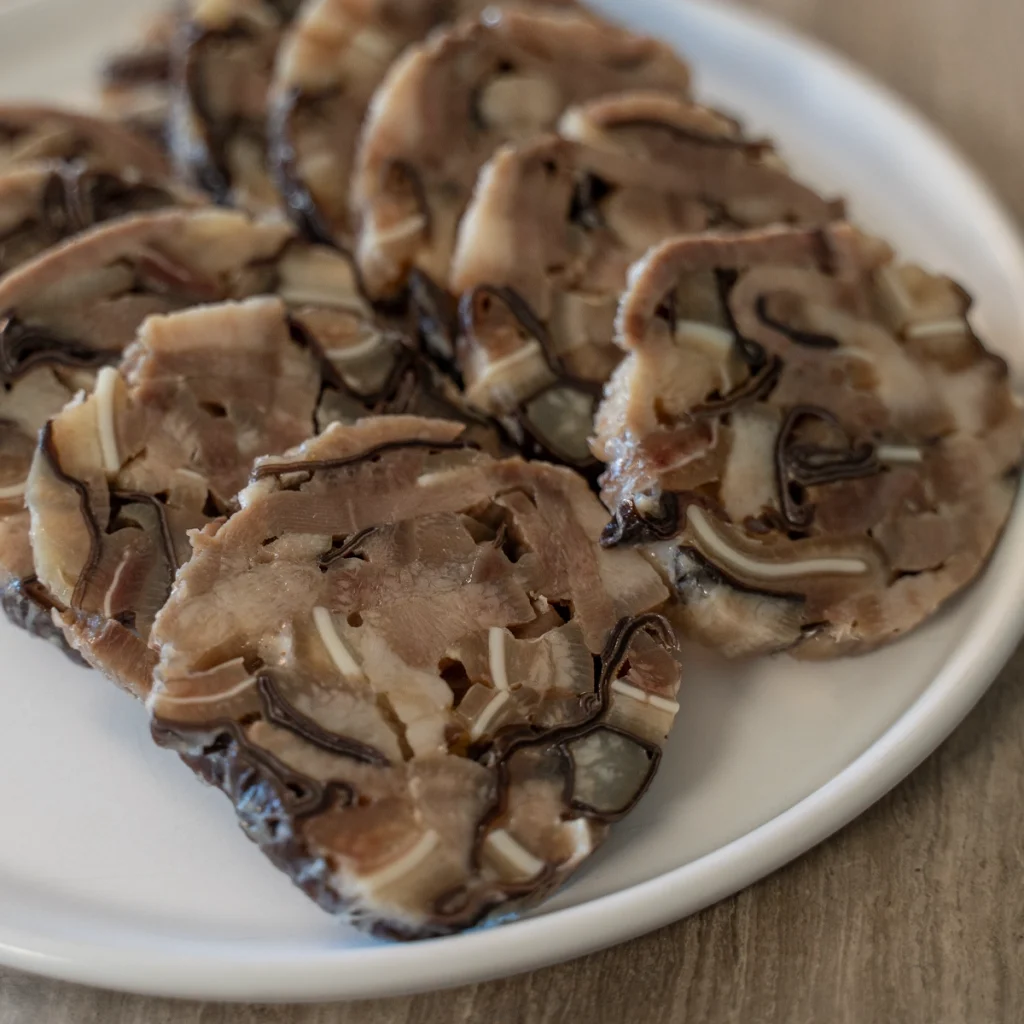
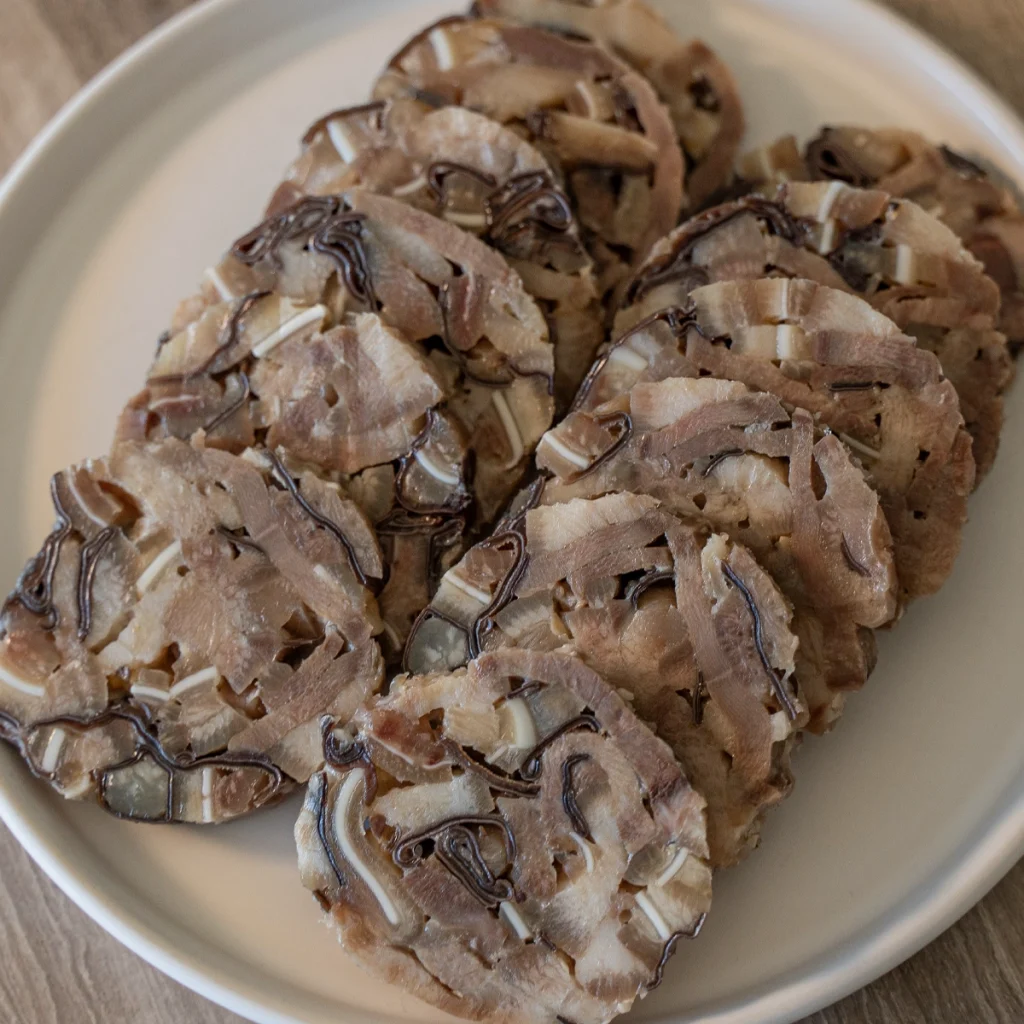
The result is a mosaic of textures: the crunch of cartilage, the chew of meat, and the earthy bite of mushrooms. Often wrapped in banana leaves and steamed, gio thu is traditionally served as part of a larger feast. Its savory flavor pairs beautifully with pickled vegetables or rice cakes like bánh chưng or bánh tét.
A Brief History of Gio Thu
The roots of gio thu are deeply embedded in Vietnamese culinary history, influenced by a mix of practicality, resourcefulness, and cultural traditions. Its origins can be traced back to an era when no part of the animal was wasted. Vietnamese cooks utilized the gelatinous parts of the pig’s head, combining them with earthy flavors like wood ear and shiitake mushrooms to create a dish that could be preserved for extended periods.
Vietnamese cuisine also has a long history of creating “giò” (sausages) using pork, such as giò lụa (Vietnamese pork roll) and giò bò (beef roll). Giò Thủ is a rustic variation, reflecting the resourcefulness of rural families who adapted this dish using what they had available. The technique of steaming meat wrapped in banana leaves also showcases indigenous cooking practices, making the dish not only flavorful but also visually appealing.
Why I Love This Recipe!
For me, gio thu is more than just a dish; it’s a connection to my heritage and the stories that shaped my family. Growing up, gio thu would always make an appearance during Tết, the Vietnamese Lunar New Year. The moment someone unwrapped the banana leaves to reveal the glossy, marbled loaf, it felt like the New Year had truly begun.
The savory aroma and umami-packed bites instantly transport me to my childhood, where my family gathered around a bustling table adorned with Lunar New Year staples. My dad would pair it with bánh chưng and a tangy side of pickled vegetables, while my mom would insist on a small dab of sriracha for an extra kick, and now, as an adult, I love eating gio thu with an ice-cold beer. These meals weren’t just about food—they were about togetherness, love, and the continuity of traditions that have been passed down for generations.
What I love most about gio thu is its ability to bring people together. Whether you’re enjoying it for the first time or it’s a dish you’ve grown up with, sharing gio thu is an invitation to connect with Vietnam’s rich culinary history and the warmth of communal celebrations.

Vietnamese Head Cheese / Gio Thu
4-6
servings15
minutes1
hourIngredients
- Pork Parts:
1 1 Pig Snout
1 1 Pig Tongue
2 2 Pig Ears
- Cleaning Ingredients:
1/2 cup 1/2 White Vinegar
2 tbsp 2 Kosher Salt
2 tbsp 2 Minced Ginger
Water
- Everything Else:
2 oz 2 Dried Wood Ear Mushroom
2 inch 2 Knob Ginger
1 tbsp 1 Oil
2 tbsp 2 Minced Shallots
1/4 cup 1/4 Water
1 tbsp 1 Minced Garlic
- Seasoning:
1 tbsp 1 Fish Sauce
1/2 tbsp 1/2 Sugar
1/2 tbsp 1/2 MSG
Salt and Black Pepper To Taste
Directions
- Prepping the Pork
- Before we begin cooking, it is essential to thoroughly clean the pork to reduce its porky odor. Place the pig snout, tongue, and ear in a large mixing bowl. Scrub with kosher salt, minced ginger, and white vinegar. Rinse with tap water, and then repeat 1-2 more times. Rinse and drain in a colander afterwards
- Then in a large stock pot with boiling salted water, boil the pork parts along with a knob of ginger. Bring the pot back up to a rolling boil, reduce the heat to medium-low, and simmer covered with a slight crack for 30 minutes
- Drain and rinse the pork with cold tap water. Then, slice the snout, tongue, and ear into thin pieces. (For the tongue, ensure you remove the outer white layer before slicing)
- Wood Ear Mushroom:
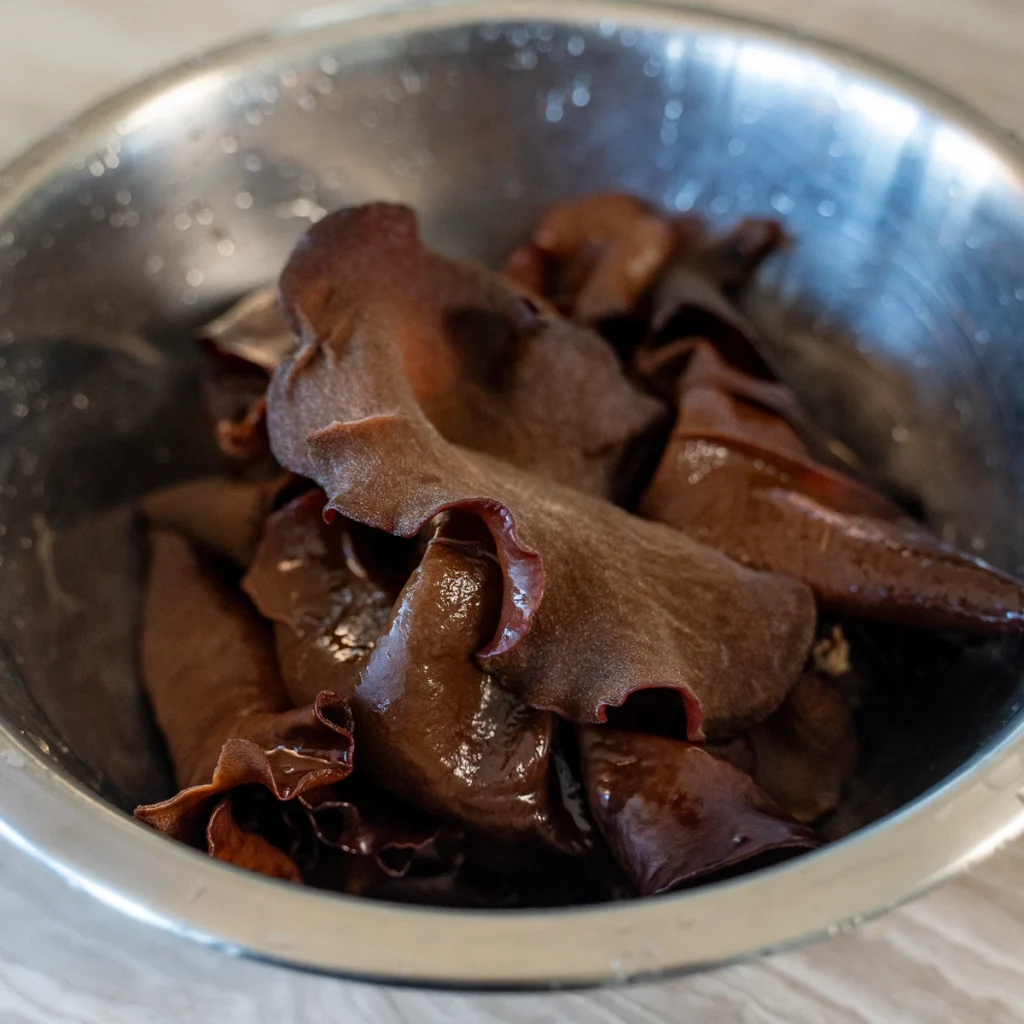
- Rehydrate the dry wood ear mushroom in room temperature tap water for 30 minutes. Once hydrated, drain the mushrooms and squeeze out any excess water
- Cut away any large and hard knots, and then cut the mushroom into roughly the same size pieces as pork parts
- Cook:
- To a big pan on medium-high heat, add in a splash of oil and sauté minced shallots and garlic until fragrant. Add in pork and sauté for five minutes. Add water to loosen up the ingredients, and then add rehydrated wood ear mushroom. Continue to cook for another 5 minutes
- Season the mixture with fish sauce, sugar, MSG, salt and pepper. Make sure to adjust the seasoning to taste. (Taste a bit of the mixture before rolling to ensure it’s adequately seasoned)
- Molding the Gio Thu:
- Now, for the best gio thu, use a mold to ensure that the logs are properly formed and that any gaps in the headcheese are reduced. Alternatively, you can form the head cheese by pushing the mixture into an empty can and press down firmly
- If none of those options are accessible, place the mixture onto a sheet of foil and roll the foil as tightly as possible. Then, wrap the foil in plastic wrap and continue to mold it into a firm log
- Let the gio thu chill in the fridge for at least 4 hours or overnight
- Serve:
- Cut in half, and then remove the foil and plastic wrap. Cut into thin slices or thicker wedge shapes. Serve cold, and enjoy!
Did you make this recipe?
Tag @feedthepudge on Instagram and hashtag it with #feedthepudge
If you like this recipe, make sure you pin it!

