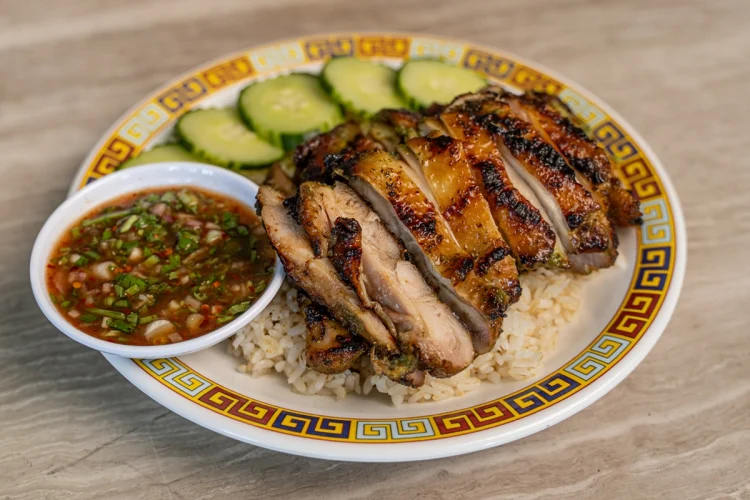
The first time I tasted gai yang, I think I might’ve become a brand new man. Back in 2016, I landed in Renton for a year, right after a short stint living in Tempe, Arizona, and working for a failed startup. Coming home to Washington, I craved Asian food more than I really ever had, and Southeast Asian food most of all, because at the time, there were really no good spots for it in Tempe. A friend pointed me toward a Thai and Vietnamese spot in Kent called Saya Restaurant, just down the hill from my apartment. He swore they served some of the best gai yang around, in huge, generous portions, at a price that felt almost too good to be real. One bite in, and that was it. I was hooked on gai yang, this smoky, garlicky, deeply savory Thai grilled chicken that I drool just thinking about to this day.
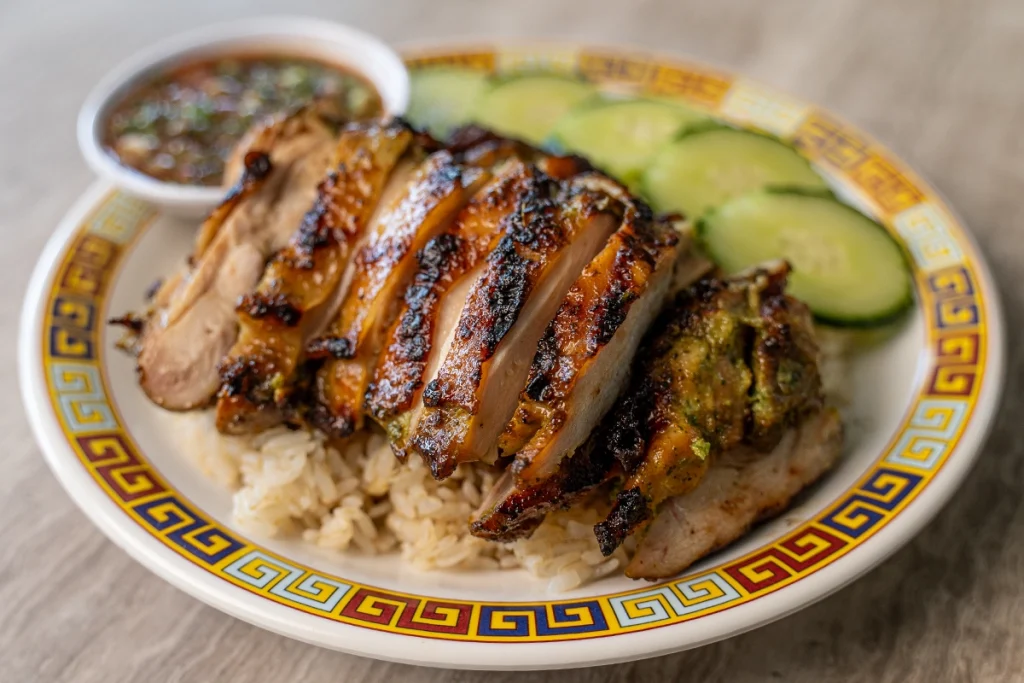
These days I live a little farther from Saya, so dropping in on a whim isn’t really convenient anymore. So I did what any obsessed home cook does. I learned to make it myself, and today we’ll break it down step by step so you can recreate it at home. And in my humble opinion, these flavors are a true homage to the real thing, with real, authentic flavors and ingredients. BUT, I do take one shortcut in the prep. Traditional cooks pound the marinade and the dipping sauce by hand with a mortar and pestle, and there is real magic in that. I, however, rely on my food processor because it is faster, easier, and most of us don’t have a giant granite mortar sitting on the counter. To me, you lose nothing that matters, and you gain a weeknight-friendly recipe you will actually make on repeat.
What Is Gai Yang, Really?
Gai yang simply means grilled chicken, but the dish that name conjures is specific and beloved. It is chicken rubbed with a garlicky herb paste and grilled over charcoal until the skin turns deep, glossy mahogany and the smoke settles into the meat. Typically, a classic plate is a trio of gai yang, sticky rice, and som tam, the fiery green papaya salad that cuts straight through the richness, with a bowl of nam jim jeaw for dipping. You will also see it called Thai BBQ chicken on menus. Same dish, friendlier name.
Where Gai Yang Comes From
Most recipes skip where this chicken actually comes from, and it is worth knowing. Gai yang is Lao at its root, called ping gai in Laos. This stretches across the Mekong River into Isaan, the northeastern corner of Thailand, where the food and language run deeply Lao to this day. The border runs where it does because of 1893, when France pressed on the kingdom of Siam and the Mekong became the line between them. One Lao world split in two overnight. The eastern bank grew into modern Laos, and the western bank became Isaan, in Thailand.
While the separation of people and politics was distinct, the food never recognized that line. Over the twentieth century, as people from Isaan moved to Bangkok for work, they brought their grills, and their smoky chicken won over the whole country. A regional Lao dish became one of Thailand’s most iconic street foods. So when you call this Thai grilled chicken, you are right. And when someone tells you its heart is Lao, they are right too. So to me, both can be true, and the dish tastes even better once you know its story.
Ingredient Notes
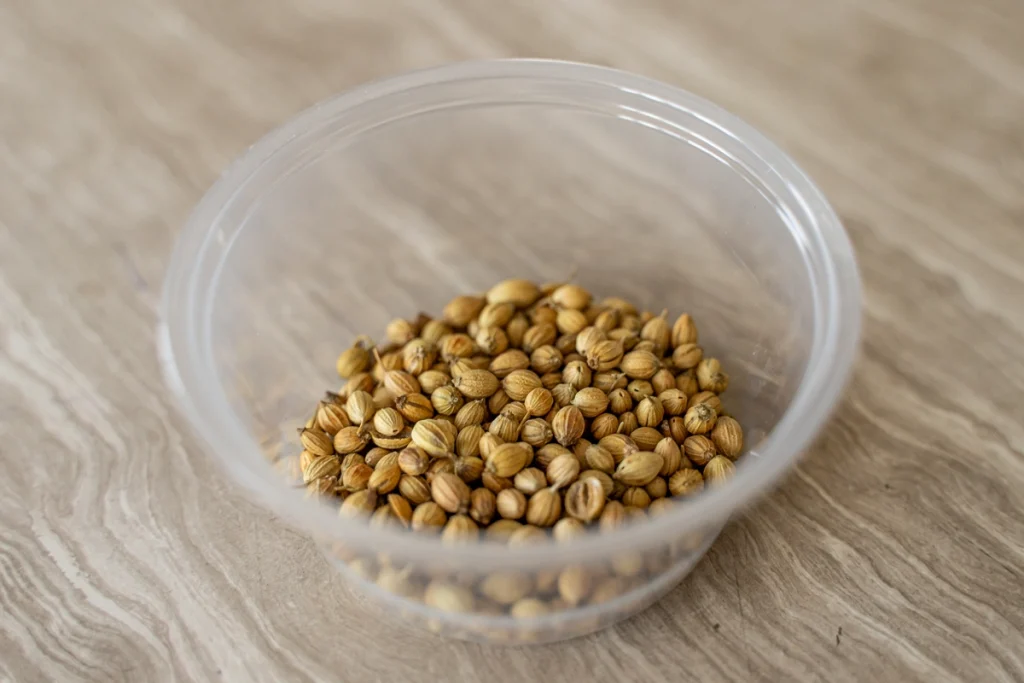
Coriander seeds. These little round, tan seeds are the dried fruit of the very same plant that gives us cilantro, so they carry a related flavor from a completely different angle. Where the fresh leaves taste bright and green, the seeds taste warm, earthy, and citrusy, with a soft floral sweetness underneath. They give the marinade its deep, almost lemony backbone. Using the seeds and the leaves together is what gives this marinade its layered, unmistakably Thai character. If you can’t find coriander seeds, add more cilantro stems.
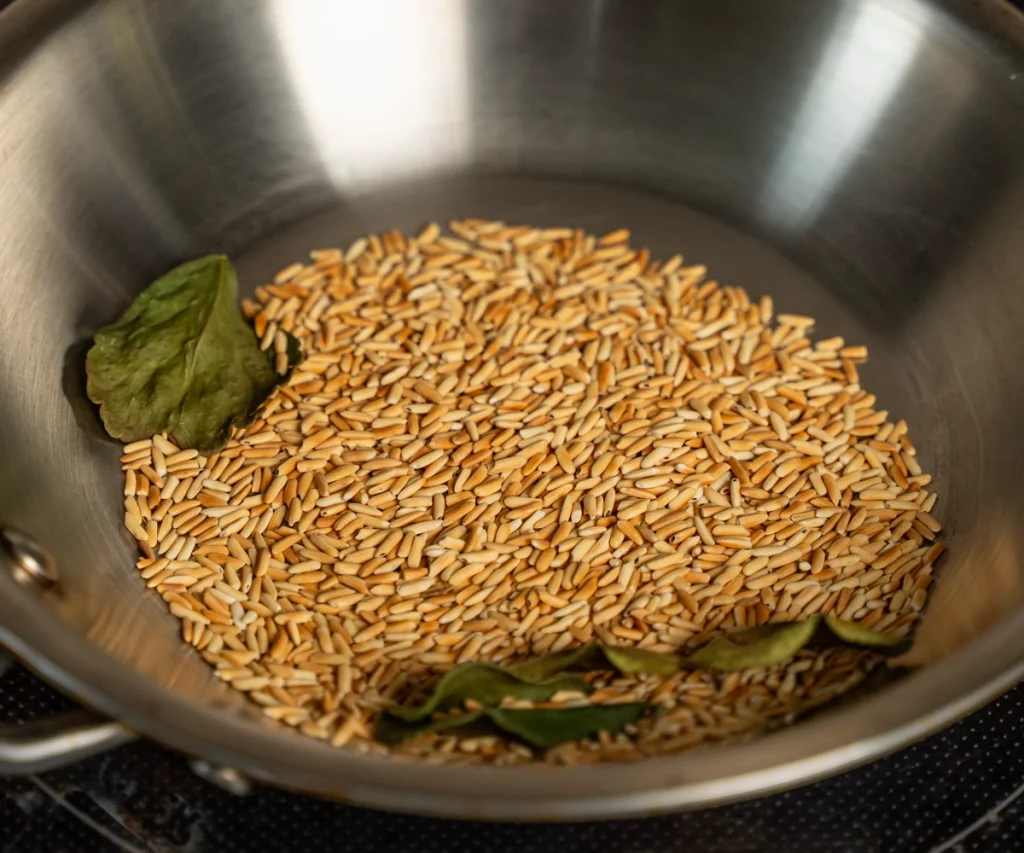
Toasted rice powder. This is the secret behind a great nam jim jeaw, and it is one of my favorite things to make from scratch. Known as khao khua, it is nothing more than uncooked grains of sticky rice, toasted until golden and nutty, then ground into a coarse powder. It adds a gentle crunch and a warm, toasty aroma to the sauce, and it thickens things ever so slightly too. Making it at home is easy, and the flavor runs circles around anything you buy in a bag at the grocery store. That said, store bought toasted rice powder absolutely works in a pinch, and shouldn’t stop you from making the sauce.
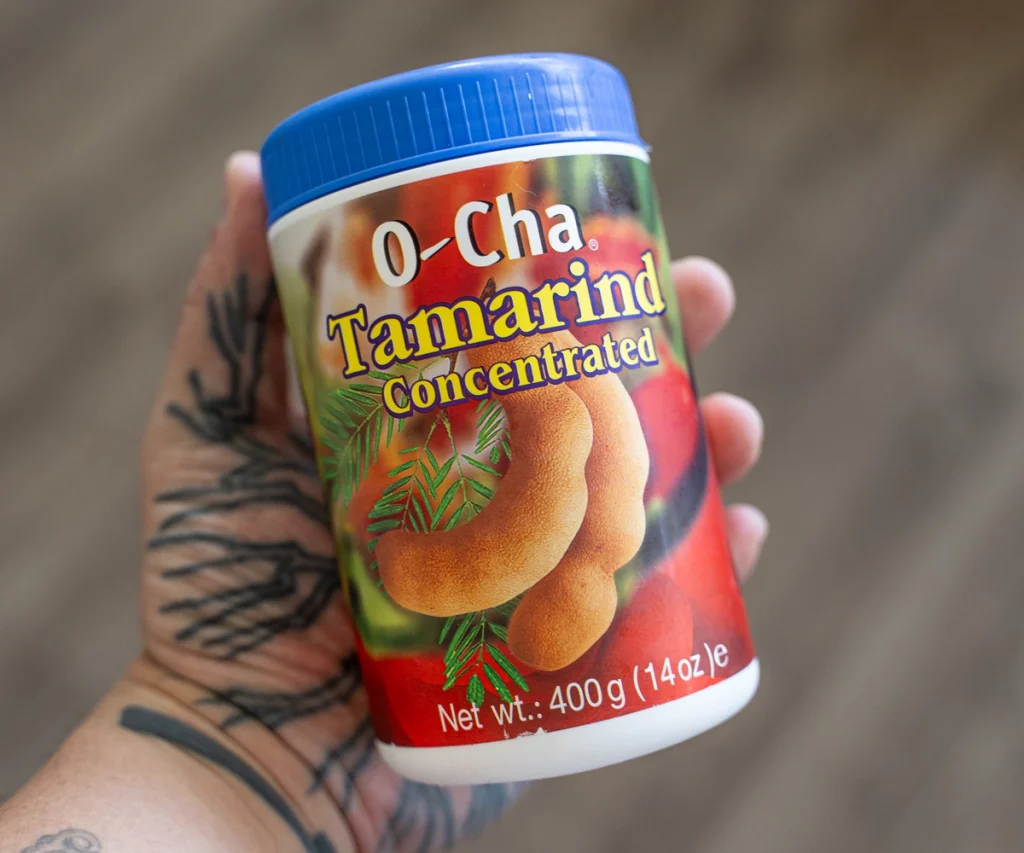
Tamarind paste. Tamarind is a tangy tropical fruit, and its dark, sticky pulp is the sour, fruity heart of your nam jim jeaw. The flavor lands somewhere between sour lime and sweet date, tart and deep at the same time, and it gives the sauce that flavor you keep coming back for. I use this premade tamarind paste because it is easy, consistent, and ready the moment I want it. If you prefer, you can absolutely use fresh tamarind instead. Just break off a piece of the pulp and loosen it with a little warm water until it turns saucy.
How to Make Gai Yang
Make the marinade. In a food processor, combine garlic cloves, a small shallot, half a cup of cilantro (including the stems), palm sugar, soy sauce, sweet soy sauce, Dear Mam fish sauce, white pepper, turmeric powder, coriander seeds, and oil. Blend until fully combined and turns into a loose sauce.
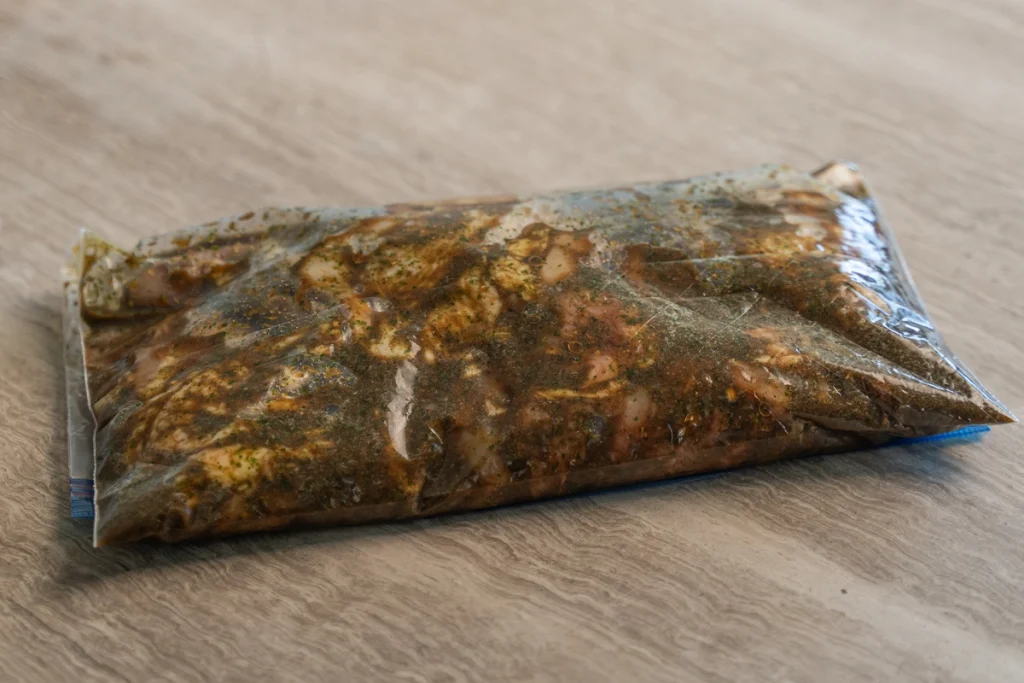
Pour the marinade over your boneless, skin-on chicken thighs and massage it into every nook, under the skin included. Cover and refrigerate for at least an hour, but overnight for the best results.
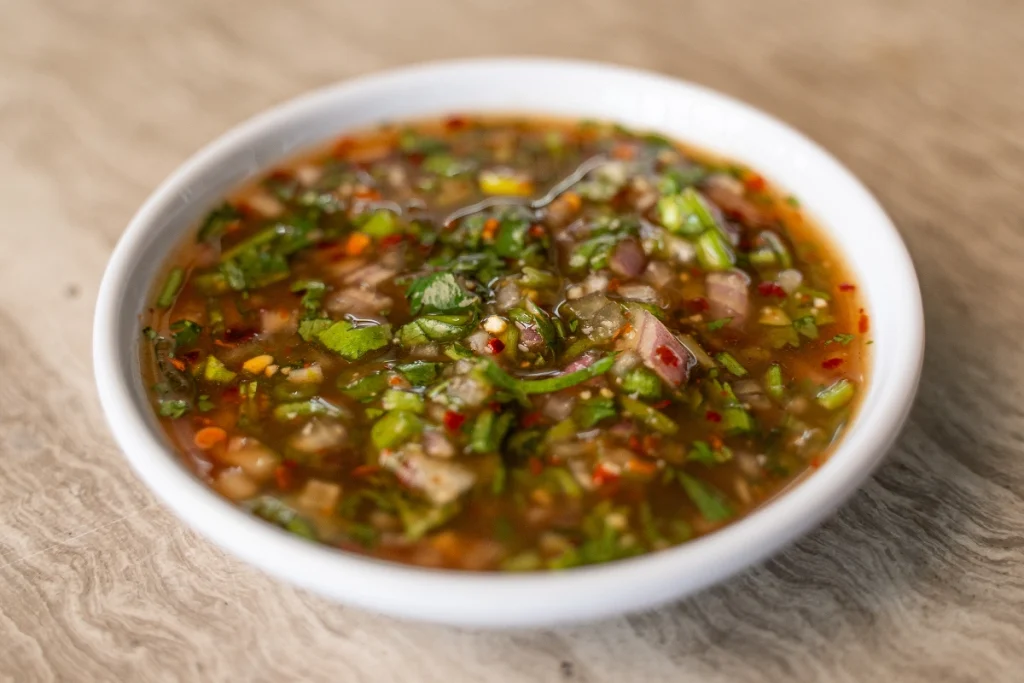
Make the nam jim jeaw. Saya Restaurant actually serves their gai yang with a sweet, tangy soy-garlic sauce, but I’m going more traditional and pairing it with nam jim jaeaw. In a small bowl, combine the tamarind paste, Dear Mam fish sauce, palm sugar, lime juice, dried chili, minced shallots, chopped green onions, and cilantro. Stir until the sugar fully dissolves. Stir in the toasted rice powder, then taste and adjust to your own preferences.
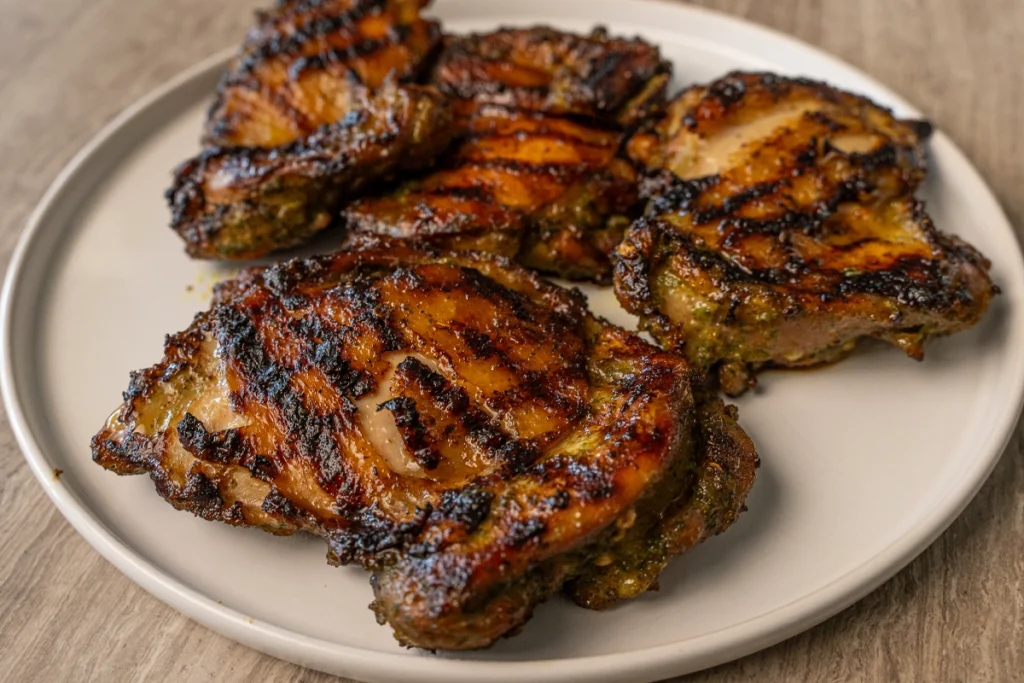
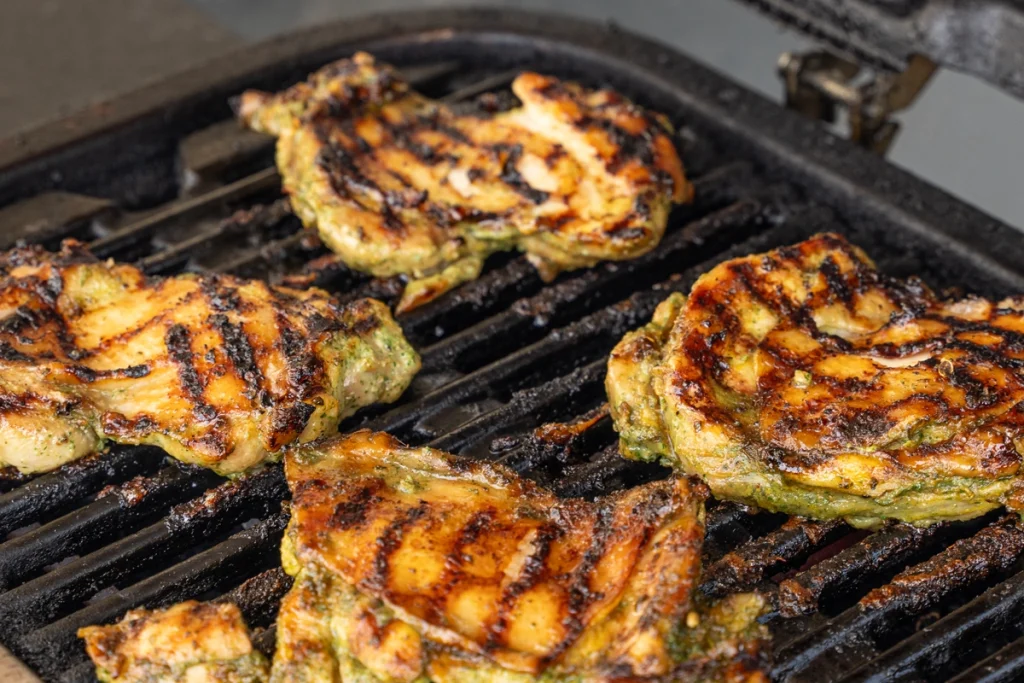
Grill the Gai Yang. On a grill at around 350F-375F, grill the chicken thighs skin-side down for 4-5 minutes per side. Turn and flip as needed, ensuring that the sugars in the marinade don’t burn and the skin turns a glossy mahogany color. For food safety, chicken is done at 165F. But thighs eat best when you take them a little further, to 175F internal, because that extra heat melts the connective tissue and gives you that tender, juicy bite.
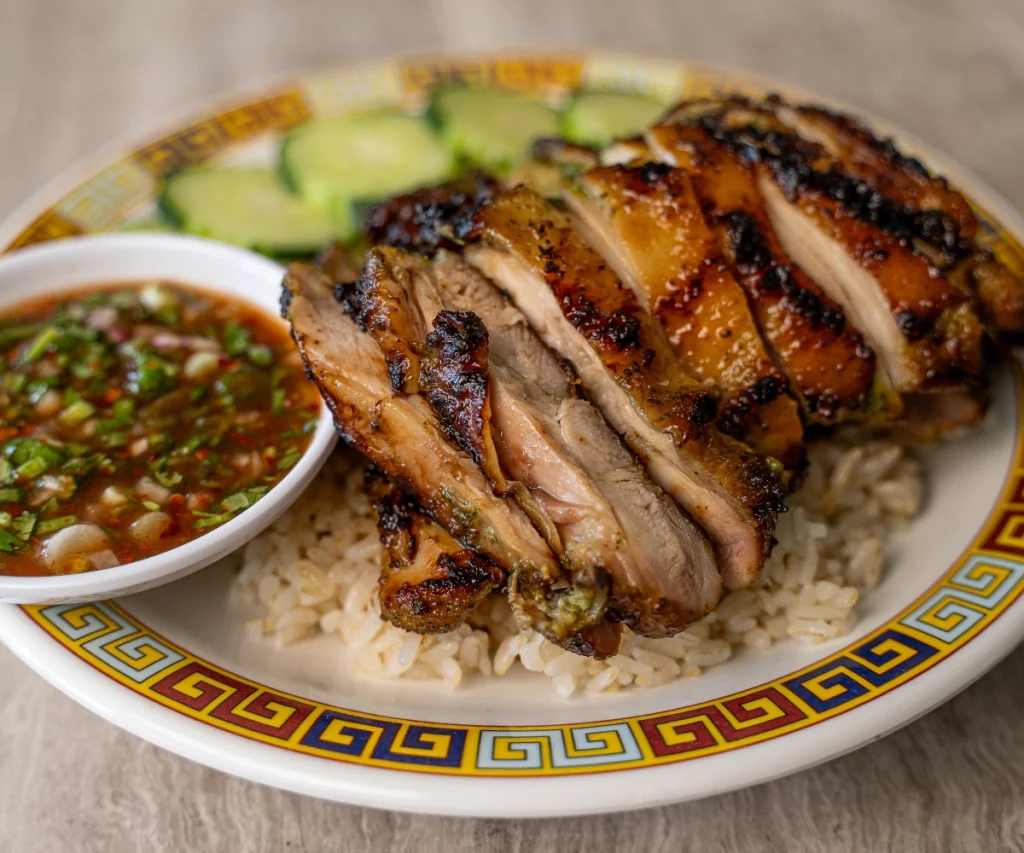
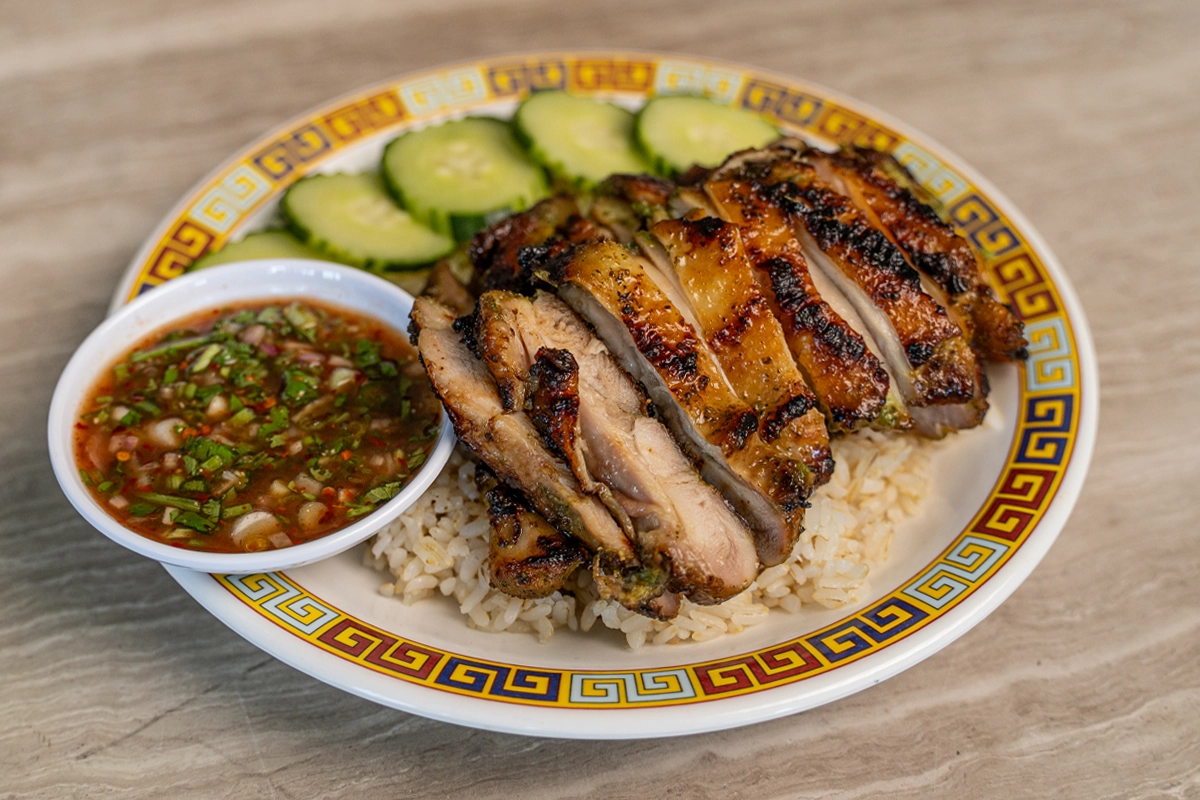
Rest, then serve. Let the chicken rest for 5 minutes so the juices settle and redistribute, then slice. Serve with white rice and cucumbers. Top with green onions and pair with a generous bowl of nam jim jeaw for dipping. Enjoy!
Gai Yang / Thai Grilled Chicken
4
servings1
hour15
minutesIngredients
2 lbs 2 Boneless, Skin-On Chicken Thighs
- Marinade:
5 5 Garlic Cloves
1 Small 1 Shallots
1/2 cup 1/2 Cilantro
2 tbsp 2 Palm Sugar
3 tbsp 3 Soy Sauce
2 tbsp 2 Sweet Soy Sauce
2 tbsp 2 Dear Mam Fish Sauce
1/2 tsp 1/2 White Pepper
1/2 tsp 1/2 Turmeric Powder
1 tsp 1 Coriander Seeds
1 tbsp 1 Oil
- Nam Jim Jeaw:
2 tbsp 2 Tamarind Paste
1 tbsp 1 Dear Mam Fish Sauce
2 tbsp 2 Palm Sugar
1 1 Lime, Juice
1 tbsp 1 Crushed Dried Thai Chili
2 tbsp 2 Minced Shallots
1/4 cup 1/4 Green Onions
1/4 cup 1/4 Cilantro
1 tbsp 1 Toasted Rice Powder
- Accompaniments and Garnishes:
White Rice
Cucumbers
Green Onions
Directions
- Make the marinade:
- In a food processor, combine the garlic, shallot, cilantro and its stems, palm sugar, soy sauce, sweet soy sauce, Dear Mam fish sauce, white pepper, turmeric, coriander seeds, and oil. Blend until fully combined into a loose sauce
- Pour the marinade over the boneless, skin-on chicken thighs and massage it into every nook. Cover and refrigerate at least 1 hour, or overnight for the best results
- Make the nam jim jeaw:
- Combine the tamarind paste, Dear Mam fish sauce, palm sugar, lime juice, dried chili, minced shallots, chopped green onions, and cilantro together until the sugar is fully dissolved. Stir in the toasted rice powder, then taste and adjust to your preference
- Grill the gai yang:
- On a grill at 350F to 375F, cook the thighs skin side down for 4 to 5 minutes per side, turning and flipping as needed so the sugars in the marinade don’t burn and the skin turns a glossy mahogany. Pull the chicken thighs when the internal temp reaches 170F-175F
- Rest, then serve:
- Let the chicken rest 5 minutes so the juices redistribute, then slice. Serve with white rice and cucumbers, top with green onions, and pair with a bowl of nam jim jeaw for dipping. Enjoy!
Did you make this recipe?
Tag @feedthepudge on Instagram and hashtag it with #feedthepudge
If you like this recipe, make sure you pin it!

