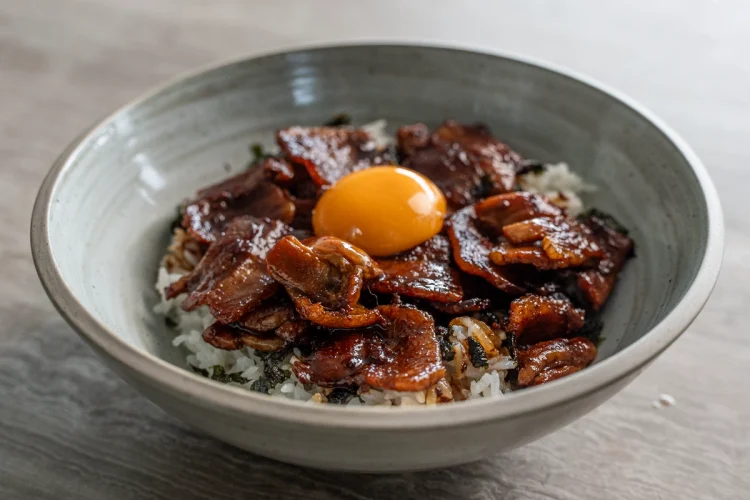
If the various Japanese rice bowls were in one big happy family, butadon would be the forgotten middle child. Gyudon (the beef bowl) gets all the fast food fame thanks to chains like Yoshinoya and Sukiya. Oyakodon (the chicken-and-egg bowl) gets the cozy, nostalgic crown. And then there’s butadon, quietly sitting in the corner, somehow getting overlooked at every family dinner, even though it shouldn’t be, because butadon belongs on the exact same shelf as its more famous siblings. The flavor is genuinely incredible, the technique is so simple you could do it half asleep, and the whole thing comes together in less than 15 minutes from start to finish. That’s faster than delivery. That’s faster than most people can scroll through their takeout app deciding what to order. So if you’re stuck in a lunch or dinner rut and you want something warm, glossy, savory, and just a little bit sweet, this is the recipe to bookmark. By the time you finish reading this post, you’ll have a new weeknight lunch or dinner in rotation.
What Is Butadon?
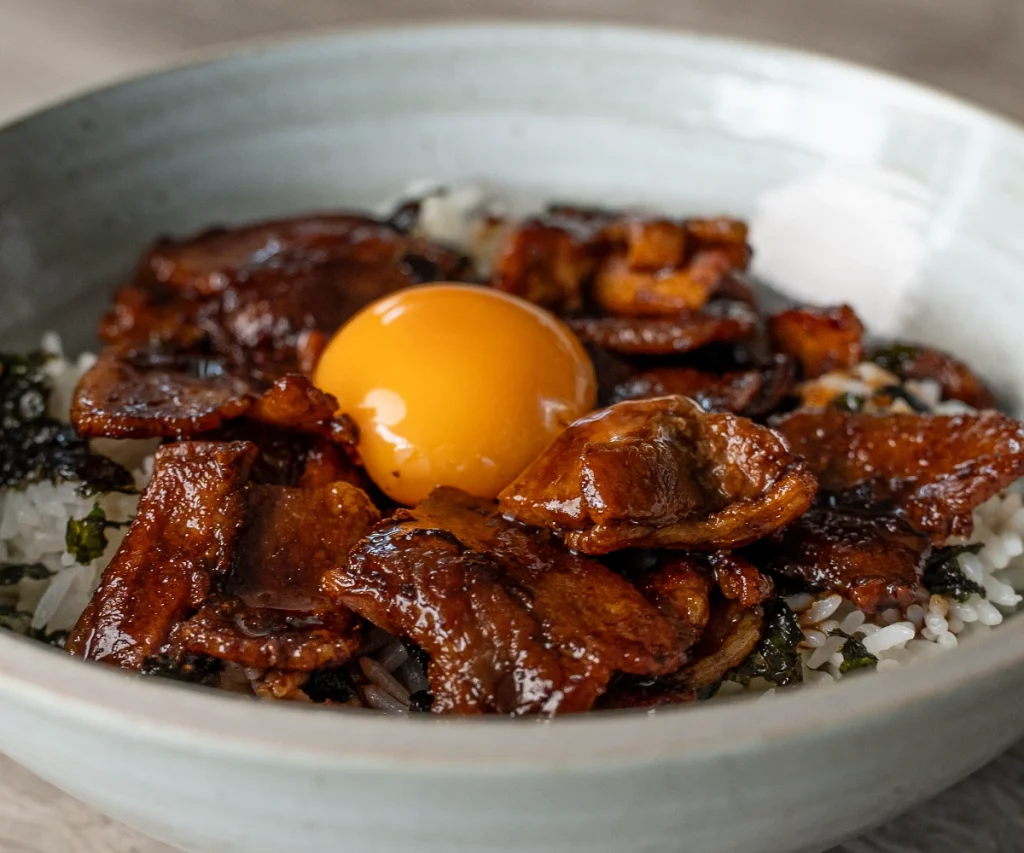
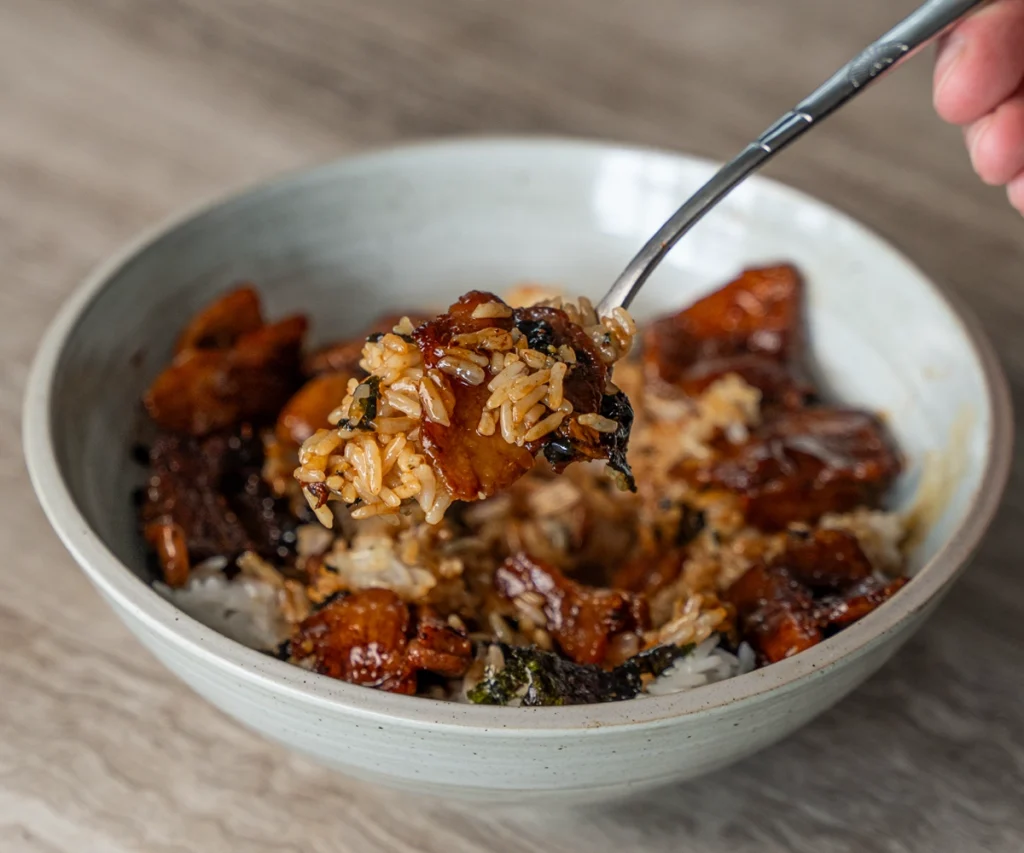
Butadon (豚丼) literally translates to “pork bowl.” Buta means pork, and don is short for donburi, the Japanese word for rice bowls as well as the entire category of dishes served in one. Butadon is essentially a bowl of fluffy white rice topped with thinly sliced pork that’s been cooked in a glossy, sweet, and savory soy-based sauce.
The dish has two distinct origin stories, and both are worth knowing. The first and original version is Tokachi butadon, also called Obihiro butadon, which traces back to a restaurant called Pancho in Obihiro City in the Tokachi region of Hokkaido. The founder, Shuji Abe, created the dish back in 1933 after being inspired by the rich, caramelized sauce used for grilled eel. He wanted a hearty pork bowl that could feed the hardworking farmers and pig breeders of the region, and he nailed it. The Tokachi version traditionally uses thicker slices of grilled pork brushed with a tare-style glaze.
The second version is the one most people outside of Japan actually encounter, and it has a wild backstory. In 2003, a major outbreak of bovine spongiform encephalopathy (better known as mad cow disease) led to a ban on American beef imports into Japan. Gyudon chains like Yoshinoya were suddenly stuck without their main ingredient, so they swapped beef for pork and rolled out butadon as a replacement. It became so popular that even after beef came back, butadon stuck around on the menu permanently. So when you make this at home, know that you’re cooking a dish with two homes: a soulful Hokkaido original and a clever pivot that became a national favorite. My recipe leans into the quick, weeknight-friendly spirit of the chain version while keeping the deep, glossy sauce that makes the Tokachi original so iconic.
Tips for the Best Butadon
Don’t overcrowd the pan. If your skillet is on the smaller side, cook the pork in two batches. Crowding leads to steaming, and you want a real sear on those edges for maximum flavor.
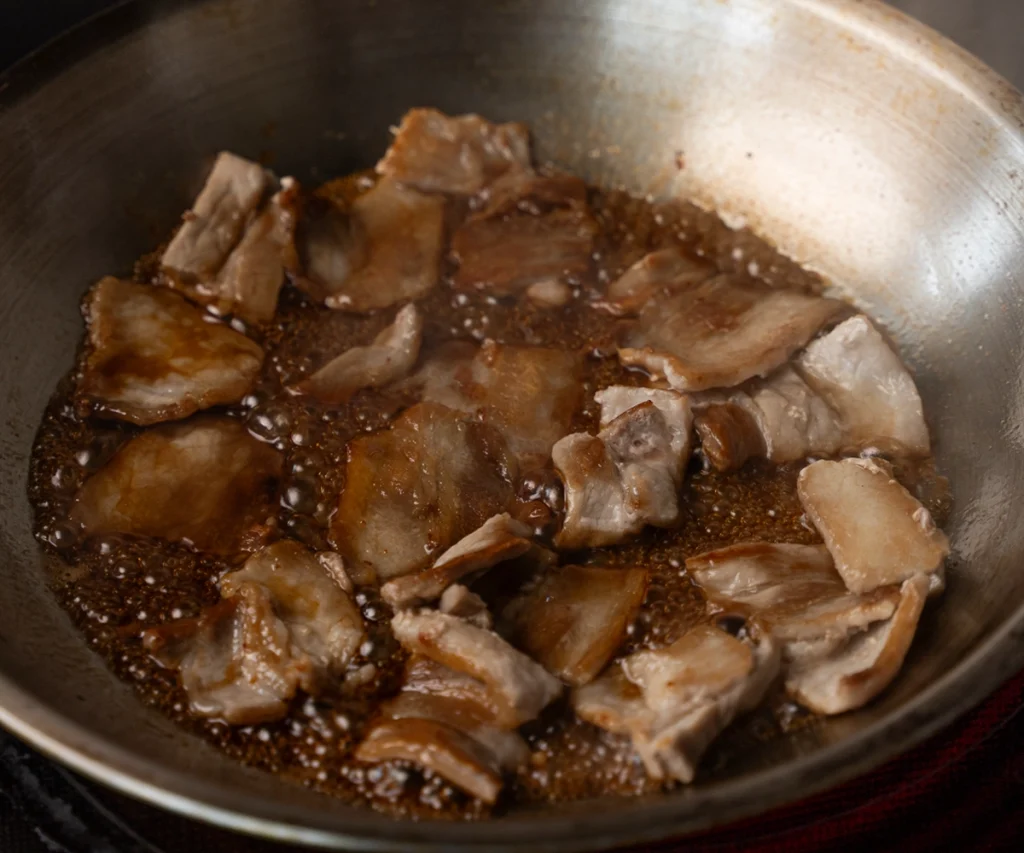
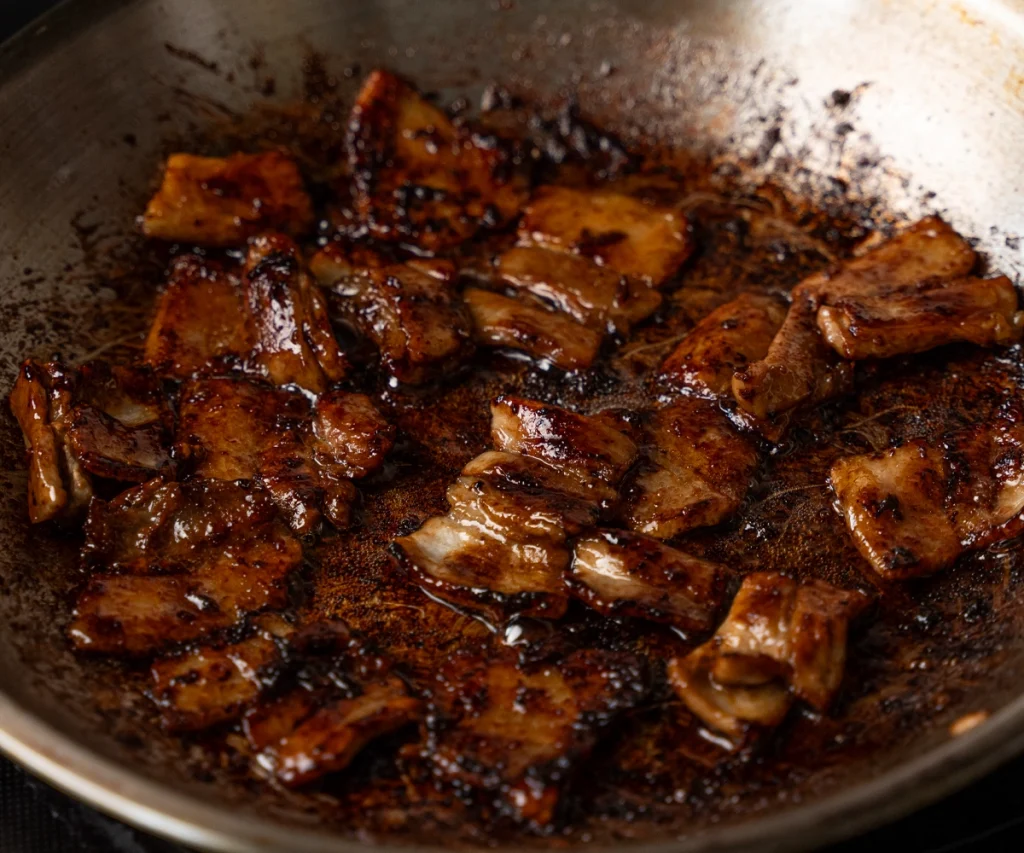
Watch the sauce reduction closely. It happens fast. The difference between a glossy glaze and a sticky burnt mess is about 30 seconds, so stay at the stove and trust your eyes.
Use the freshest egg you can find for the yolk topping. Since it’s eaten raw, quality matters. Pasteurized eggs are a great option if you’re nervous about it, and you can also swap in a soft-boiled or onsen egg if you prefer.
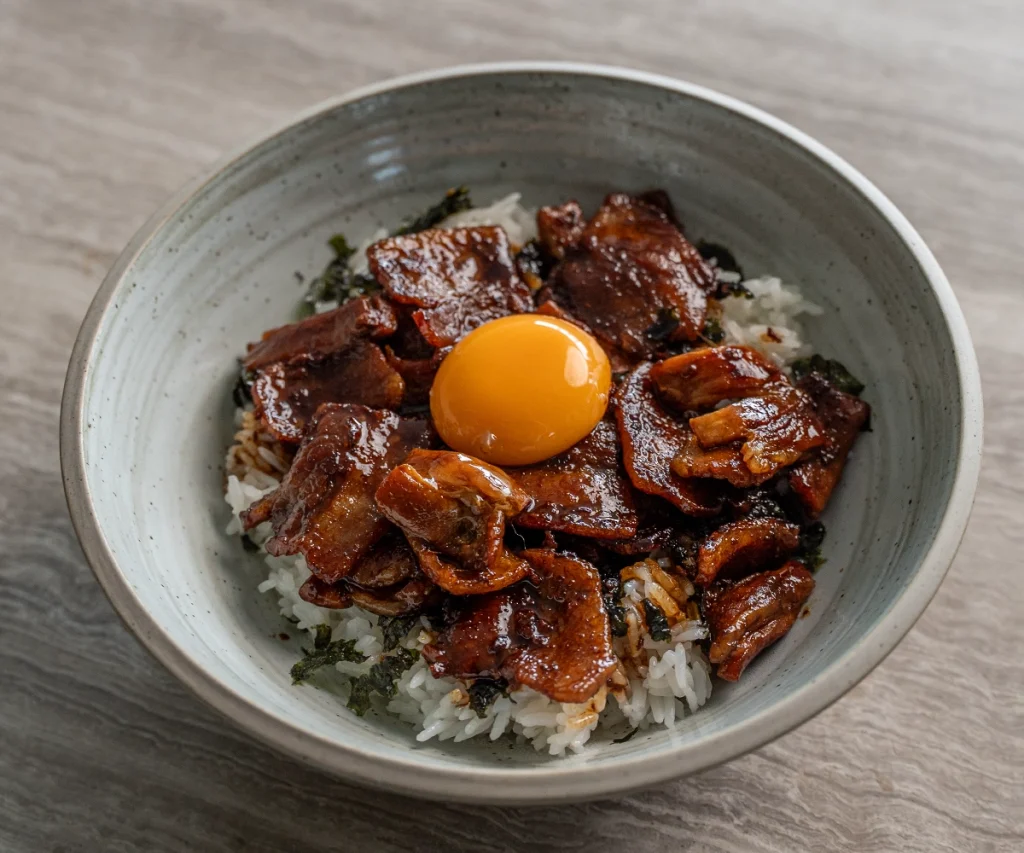
Make it a real meal. Butadon is incredible on its own, but a small bowl of miso soup and some quick pickled cucumbers on the side turn it into a full Japanese teishoku-style dinner. Pickled ginger (beni shoga) is also a classic and welcome addition.
Frequently Asked Questions
What’s the difference between butadon and gyudon? Butadon uses pork, gyudon uses beef. The sauce profiles overlap quite a bit (both are sweet, savory, and soy-based), but butadon tends to have a slightly richer, more glaze-like finish, especially when you use pork belly. Gyudon is typically more brothy with onions simmered in the sauce.
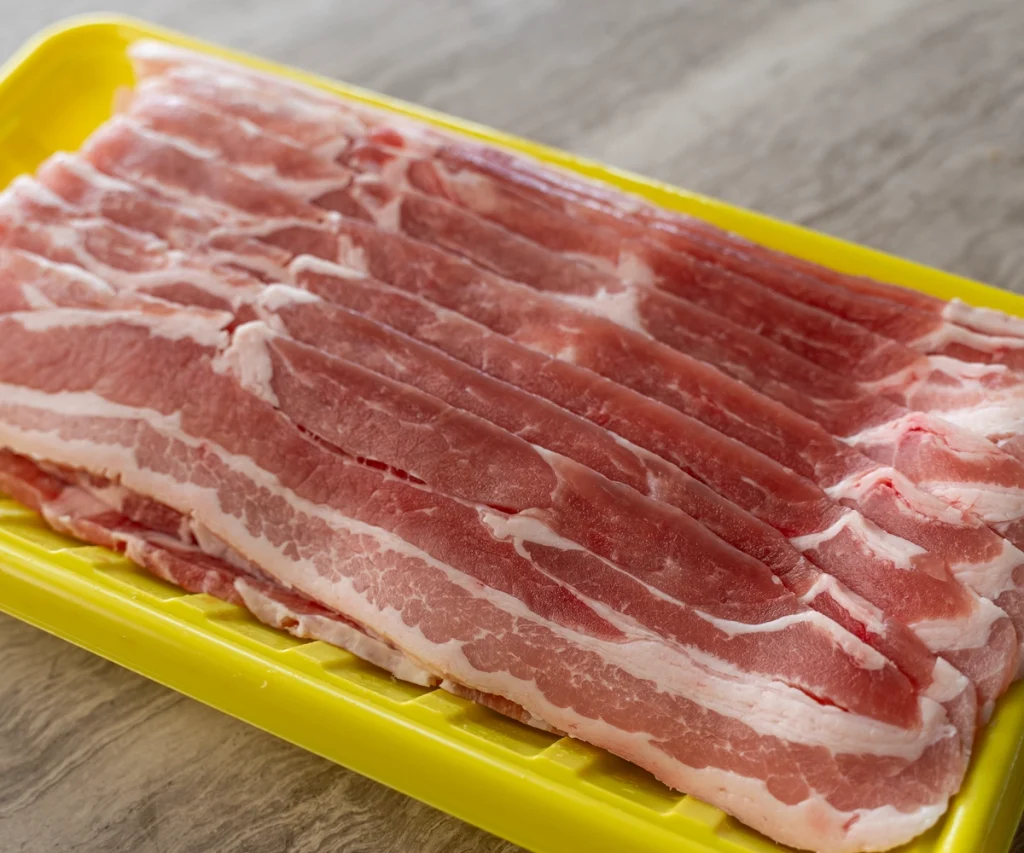
Can I use a different cut of pork? Absolutely. Thinly sliced pork loin or pork shoulder both work well if you can’t find pork belly. The flavor will be slightly leaner, but the technique stays the same.
Is hondashi necessary? It’s the umami backbone of the sauce, so I really recommend including it.
Can I make this gluten-free? Yes. Swap the soy sauce for tamari, and double-check that your mirin and sake are gluten-free (most are, but some cheaper brands include wheat).
How do I store leftovers? The cooked pork keeps in an airtight container in the fridge for up to three days. Reheat it gently in a pan with a splash of water to loosen the sauce. I don’t recommend freezing it; the texture of the pork belly suffers. Store the rice separately and don’t add the egg yolk or nori until you’re ready to eat.
What can I serve with butadon? Miso soup, a simple cucumber salad with rice vinegar and sesame seeds, edamame, or quick pickled vegetables all pair beautifully. If you want to go all out, add a small bowl of chawanmushi (savory steamed egg custard).
