
Some of my most vivid childhood food memories are of sitting at the kitchen table, watching my mom roll up fresh Bò Bía—Vietnamese spring rolls packed with stir-fried jicama, Chinese sausage, and egg. I’d eat one, then another, and then beg for another, always fascinated by the mix of sweet, savory, and crunchy textures. These weren’t your typical gỏi cuốn (spring rolls with shrimp and pork); bo bia had their own personality, and to me, they tasted like home.
Recently, I went back to my parents’ house and recreated this dish from scratch with my mom. She walked me through her method—how to julienne the jicama just right, how long to stir-fry the veggies, and her little trick for rolling them up so they don’t fall apart. It felt like time-traveling through flavor. Now, with this blog post, you can learn how to make it at home too!

What Is Bo Bia?
Bo bia is a Vietnamese spring roll filled with stir-fried jicama, carrots, Chinese sausage (lạp xưởng), eggs, Thai basil, and dried shrimp—all wrapped in rice paper and served with a thick, savory hoisin-peanut dipping sauce. Unlike goi cuon, which often features pork, shrimp, and vermicelli noodles, bo bia leans on the crunch of vegetables and the richness of Chinese sausage.
The name “bo bia” might sound like it includes beef (since “bò” means beef in Vietnamese), but in this case, it’s actually a Vietnamese transliteration of the Chinese word for spring roll, “popiah.” Popiah is a type of fresh roll originating from Fujian, China, and popular in Southeast Asia, particularly in places like Singapore, Malaysia, and Thailand. Vietnamese immigrants adapted the dish using local ingredients and flavors, introducing familiar herbs like Thai Basil, hoisin-based dipping sauces, and the use of Vietnamese rice paper. So while bo bia has Chinese roots, it’s been thoroughly localized over time, becoming a beloved street snack and homemade comfort food in Vietnam, especially in southern regions like Saigon.
Tips from Mom: Secrets to the Best Bo Bia
Recreating bo bia with my mom wasn’t just about getting the recipe right—it was about learning the little things that don’t always make it into a written recipe. The kind of details you only pick up when you’re in the kitchen with someone who’s been making it for decades. Here are a few of my mom’s go-to tips that make all the difference:
1. Don’t overcook the jicama
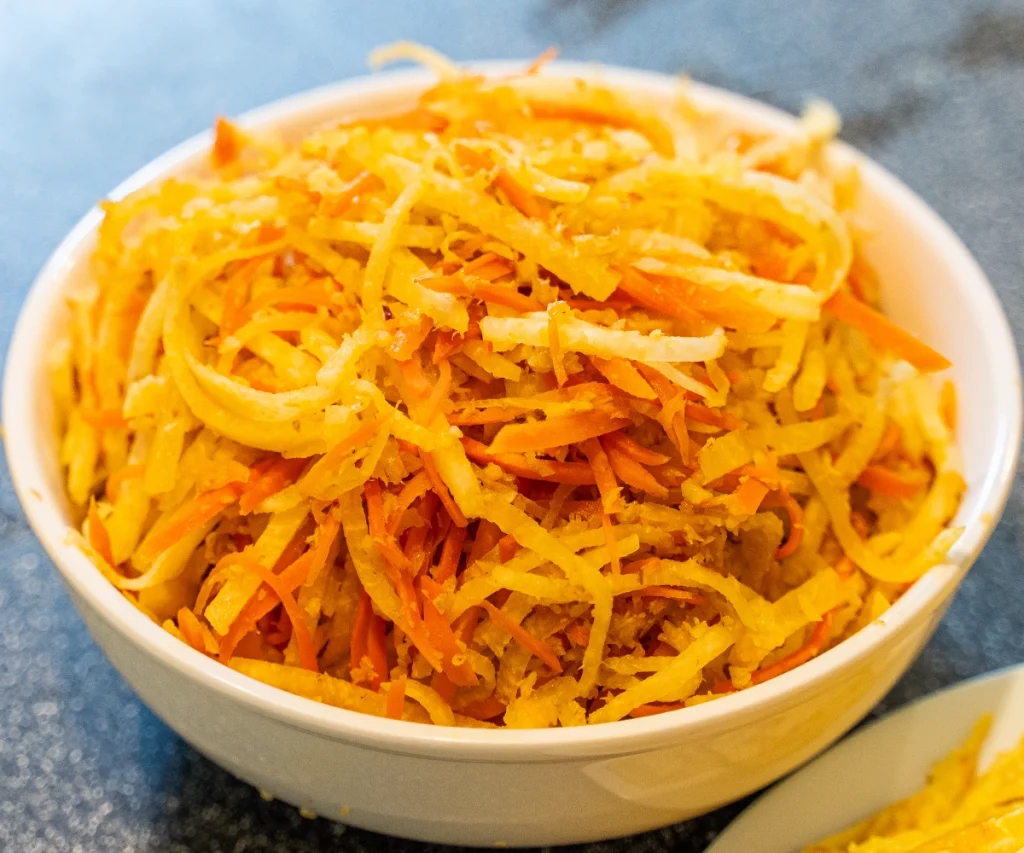
My mom stressed this more than once—the jicama should be cooked just enough to release its juices, but not so much that it turns mushy. You’re aiming for tender-crisp, not soggy. That slight crunch is what gives bo bia its signature texture.
2. Use cold water for the rice Paper
Most people think you need warm water to soften rice paper quickly, but my mom and I do it differently. We use cold water, and here’s why: it gives you more time to work with the rice paper before it gets too sticky or fragile. That extra flexibility is super helpful, especially when you’re assembling multiple rolls at once.
Even better? Cold water gives the rice paper a slightly chewier texture, which adds another layer of enjoyment to each bite. Just give it a quick dip—about 2-4 seconds—then lay it on a clean surface and let it finish softening on its own. By the time you’re ready to roll, it’ll be perfectly pliable and easy to work with.
3. Pair it with the perfect sauce
The key is balancing salty, sweet, and umami so it complements the light, fresh flavors of the roll. Use my peanut sauce recipe here for the ultimate pairing!

Bo Bia / Chinese Sausage Spring Rolls with Jicama
4-6
servings15
minutes45
minutesIngredients
8 oz 8 Chinese Sausage (Lap Xuong)
Thai Basil
- Sauteed Veggies:
1 Medium 1 Jicama
2 2 Carrots
1/2 Cup 1/2 Dried Shrimp
1 tsp 1 Fish Sauce
1/2 tsp 1/2 Sugar
2 tbsp 2 Oil
- Omelette:
4 4 Eggs
1 tsp 1 Fish Sauce
1/2 tsp 1/2 Sugar
1 tbsp 1 Oil
Directions
- Prep:
- Peel and then julienne the jicama and carrots into thin matchsticks
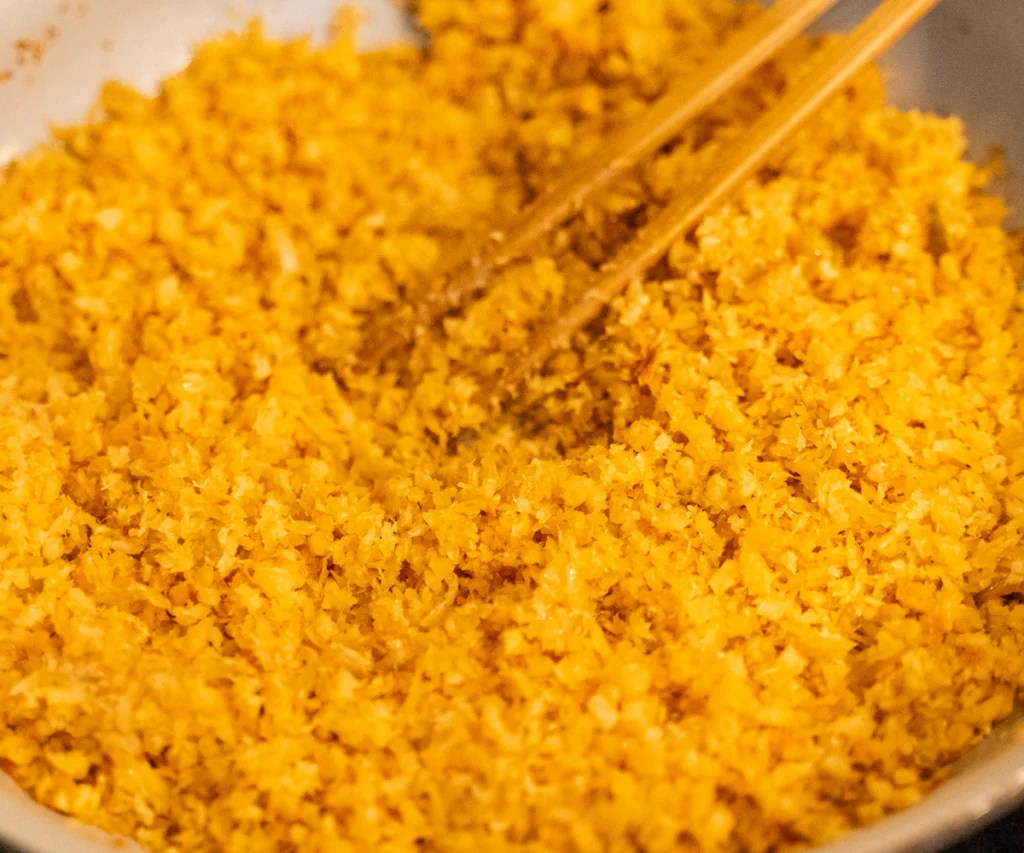
- Soak the dried shrimp in warm water for 10 minutes to rehydrate. Then drain, and throw into a food processor and blend until it turns into a fine mince
- Make the Omelette:
- In a bowl, whisk together eggs and season with fish sauce and sugar
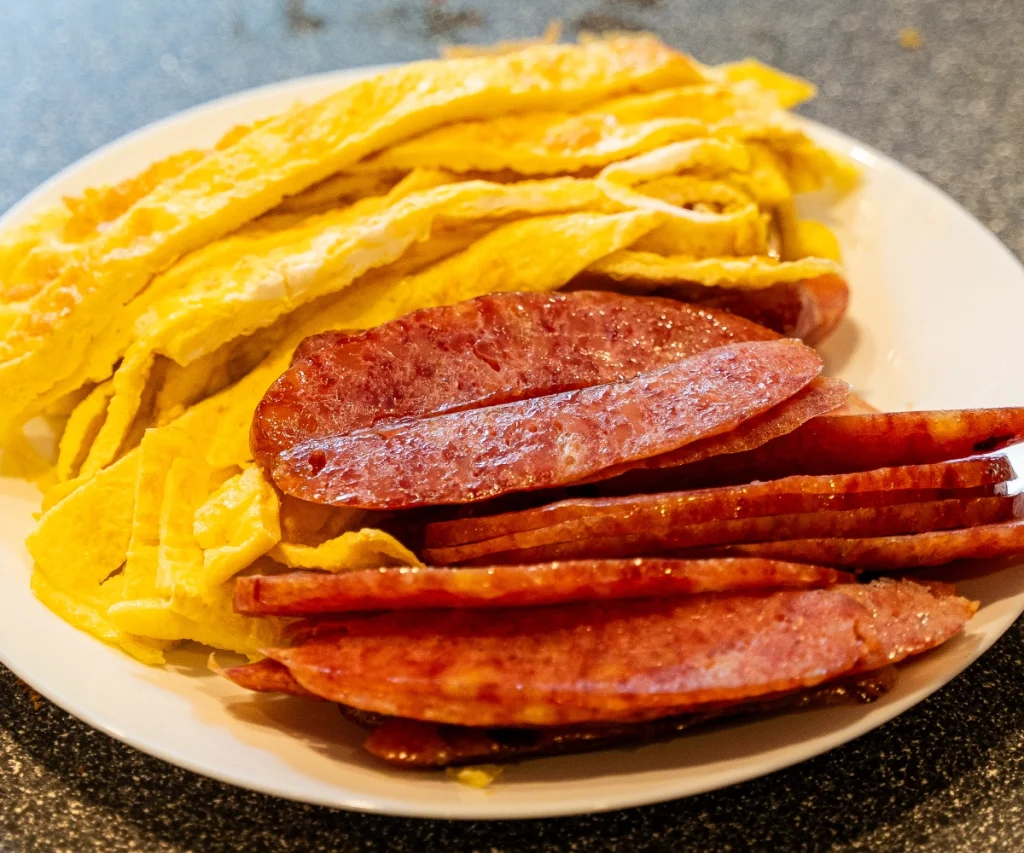
- Heat up oil in a nonstick pan over medium heat, then pour in the egg mixture and swirl to create a thin omelette. Cook on each side for 1-2 minutes or until cooked through. Remove the egg from the pan, let it cool slightly, then slice it into thin strips
- Sauté the Veggies:
- Heat 2 tbsp oil in a large pan over medium heat. Add the dried shrimp and sauté for 1–2 minutes until fragrant
- Add the carrots first, and stir-fry for 1-2 minutes. Then add in jicama and continue to cook for another 4-6 minutes or until slightly softened but still crisp. Season with fish sauce and sugar. Remove from heat and let cool, then slice into ribbons
- Cook the Chinese Sausage:
- Cook Chinese sausage in boiling water for 2-3 minutes
- Remove from the pot and then add to a clean pan on medium-high heat with a little bit of oil to slightly crisp up and caramelize
- Let it cool down slightly before cutting into slices lengthwise
- Assemble the Rolls:
- Dip a sheet of rice paper in cold water and lay it on a clean surface
- Layer with sautéed veggies, egg strips, Chinese sausage, and a few Thai basil leaves
- Roll tightly from the bottom, tuck in the two sides, and finish rolling
- Serve:
- Serve fresh with my peanut sauce and enjoy!
Did you make this recipe?
Tag @feedthepudge on Instagram and hashtag it with #feedthepudge
If you like this recipe, make sure you pin it!

