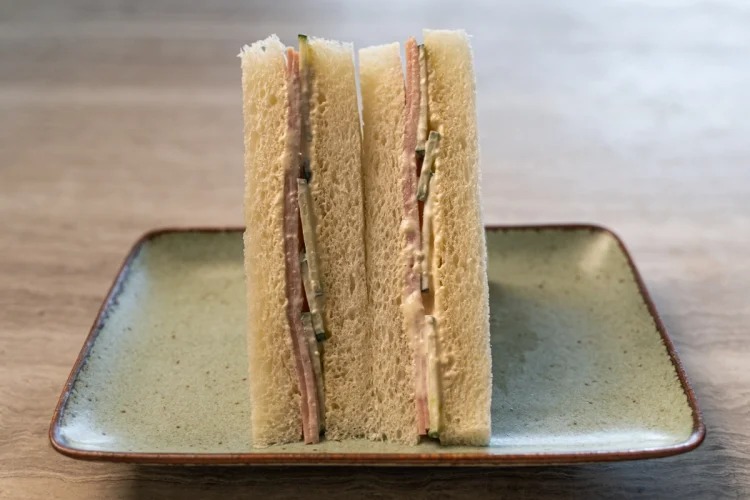
This Japanese ham and cucumber sando probably doesn’t need a full blog post. It takes five ingredients, zero cooking, and about ten minutes from start to finish. But some recipes deserve all the spotlight because of how they make you feel, and this one earns every inch of it, because I could eat half a dozen of these tasty little sandwiches in a single sitting, and I say that without a hint of exaggeration. (I’ve done it before.)
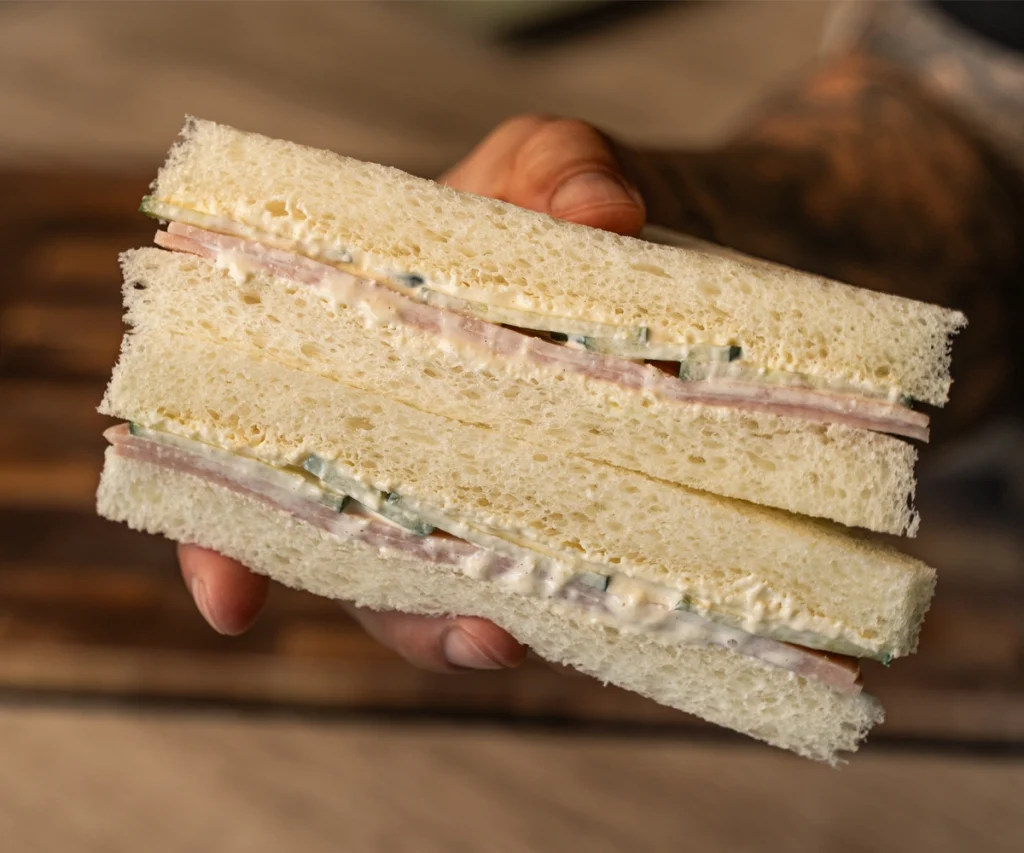
I first fell in love with the Japanese ham sandwich when I visited Tokyo nearly a decade ago. You find them everywhere: 7-Eleven, FamilyMart, Lawson, and the countless konbini you’ll find on nearly every block across Japan. Pillowy Japanese milk bread, a little bit of butter, thin slices of ham, cool, crisp cucumber, and a creamy horseradish Kewpie mayo, all trimmed into neat, crustless triangles. Simple? Absolutely. Unforgettable? Completely. So today, we’ll break it down step by step so you can make these tasty little Japanese ham and cucumber sandos at home!
The History of the Japanese Sando and the Konbini
To understand why a ham sando from a Tokyo convenience store tastes like pure comfort, you have to look back more than a century. Portuguese traders first brought bread to Japan in the 1500s, which is why the Japanese word for bread, pan, comes from the Portuguese pão. Bread stayed a novelty for centuries, though. The sandwich as Japan knows it today really took shape in 1899, during the Meiji era, when a company called Ofuna Ken started selling sandwiches as an ekiben (a boxed meal sold at train stations) at Ofuna Station near Kamakura. The founder, Tomioka Shuzo, took the idea from his friend Kuroda Kiyotaka, a statesman who later became Japan’s second prime minister and who had enjoyed sandwiches during his travels abroad.
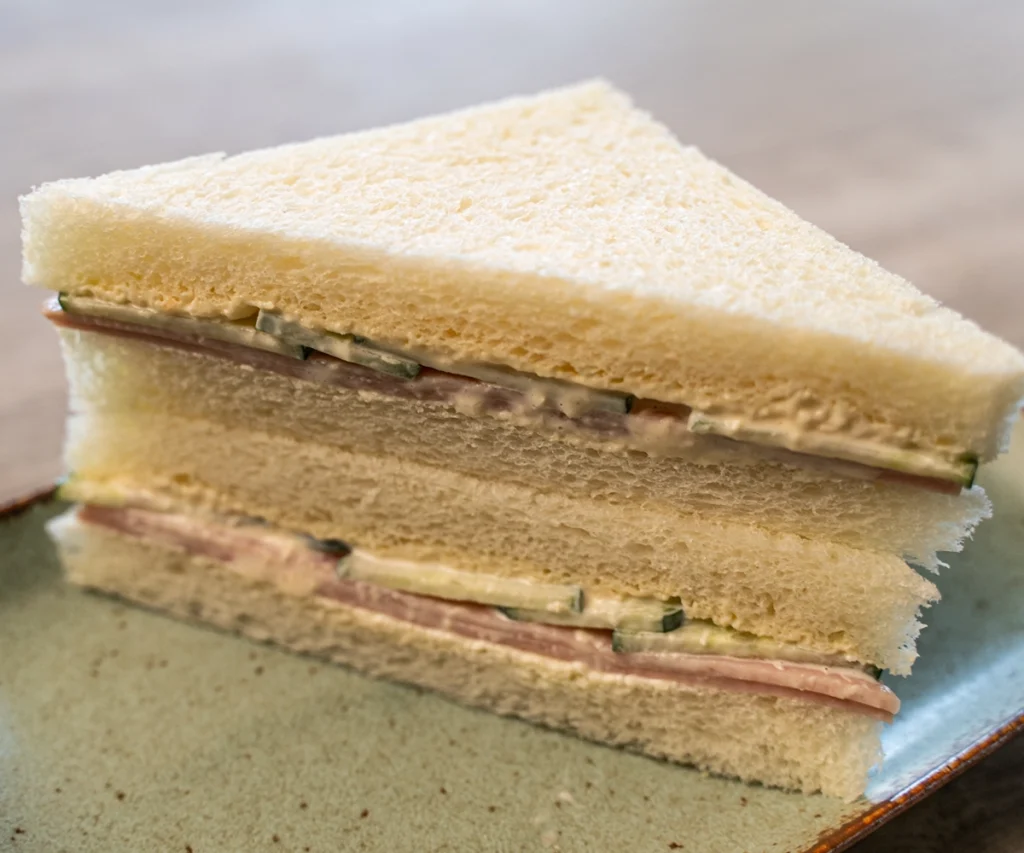
Travelers snapped them up so quickly that Ofuna Ken started producing its own ham just to keep up with demand. That humble ham sandwich turned an expensive Western curiosity into an affordable everyday snack, and it set the template you still see today: soft rectangular white bread, crusts removed, fillings layered with care. You can still buy the Ofuna Ken sandwich today, more than 125 years later.
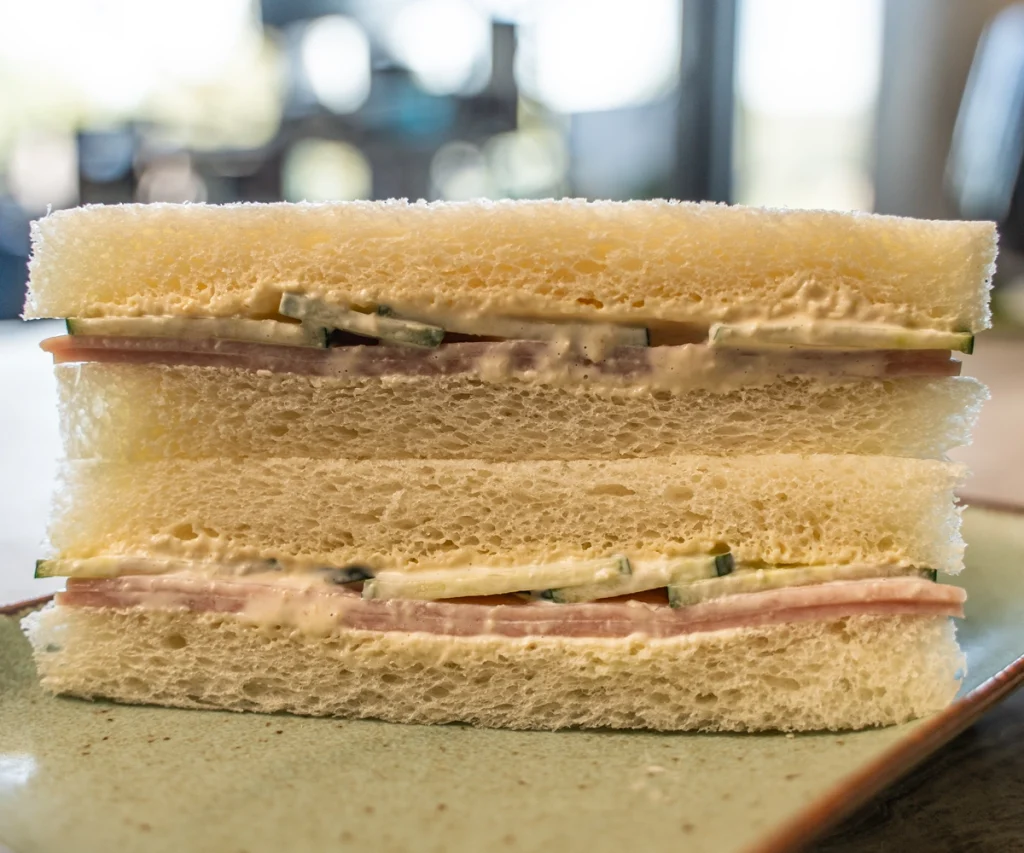
The second chapter arrived in 1974, when Japan’s first Seven Eleven opened in Tokyo’s Toyosu neighborhood. The owner, a 24-year-old named Kenji Yamamoto, converted his family’s liquor store into the country’s first franchise convenience store. Konbini exploded from there. Today Seven Eleven alone runs more than 21,000 stores in Japan, and konbini serve as a lifeline for daily life: hot coffee, onigiri, bill payments, emergency supplies, and of course, fresh sandos restocked several times a day. For me, when I was in Japan, I ate these sandos in various forms every single day, and I still dream about them.
Ingredient Notes
Shokupan (Japanese Milk Bread)
Shokupan is the single most important ingredient in this recipe. It defines the Japanese sando, and wouldn’t be one without shokupan. This square loaf bakes up tall, tender, and slightly sweet, with a fine, cottony crumb that compresses beautifully without tearing. Regular sandwich bread simply can’t replicate that melt-in-your-mouth texture.
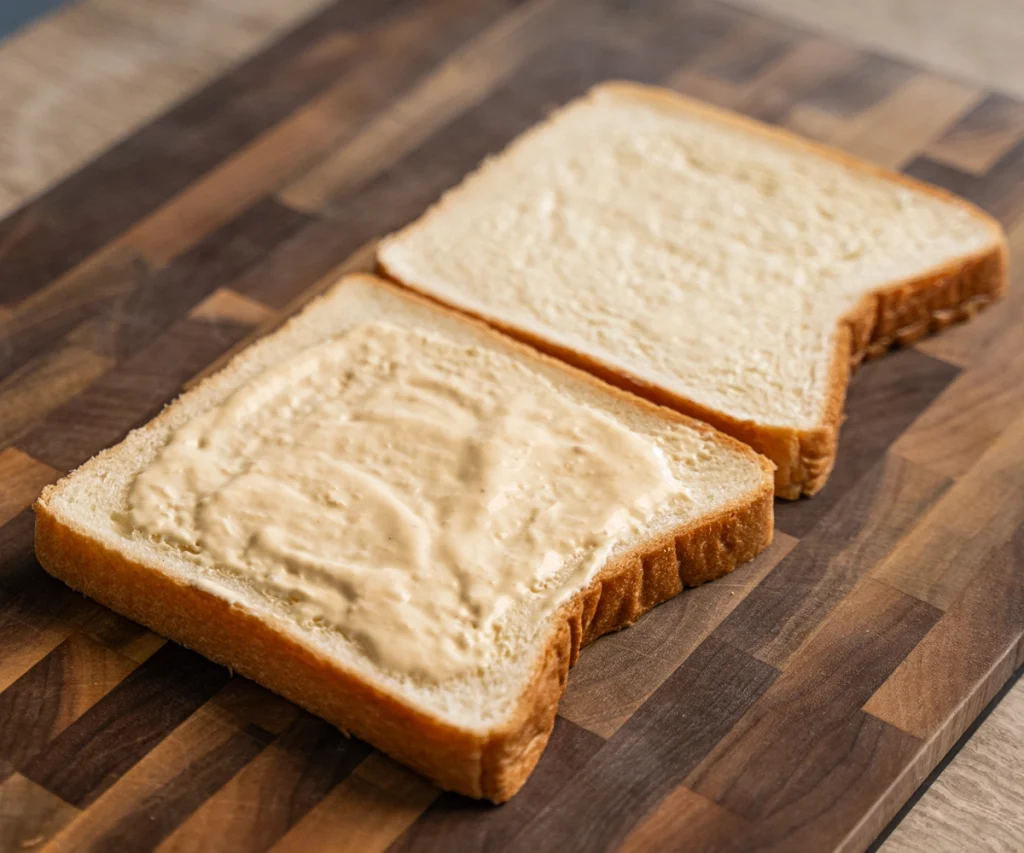
Now personally, I’m not much of a baker, so I buy my shokupan from my local Japanese bakery, and I encourage you to do the same. Check Japanese and pan-Asian markets like Uwajimaya, Mitsuwa, H Mart, or 99 Ranch, and ask for slices about half an inch thick, like the classic konbini cut. If you can’t find shokupan, choose the softest, freshest white bread available.
Cucumber
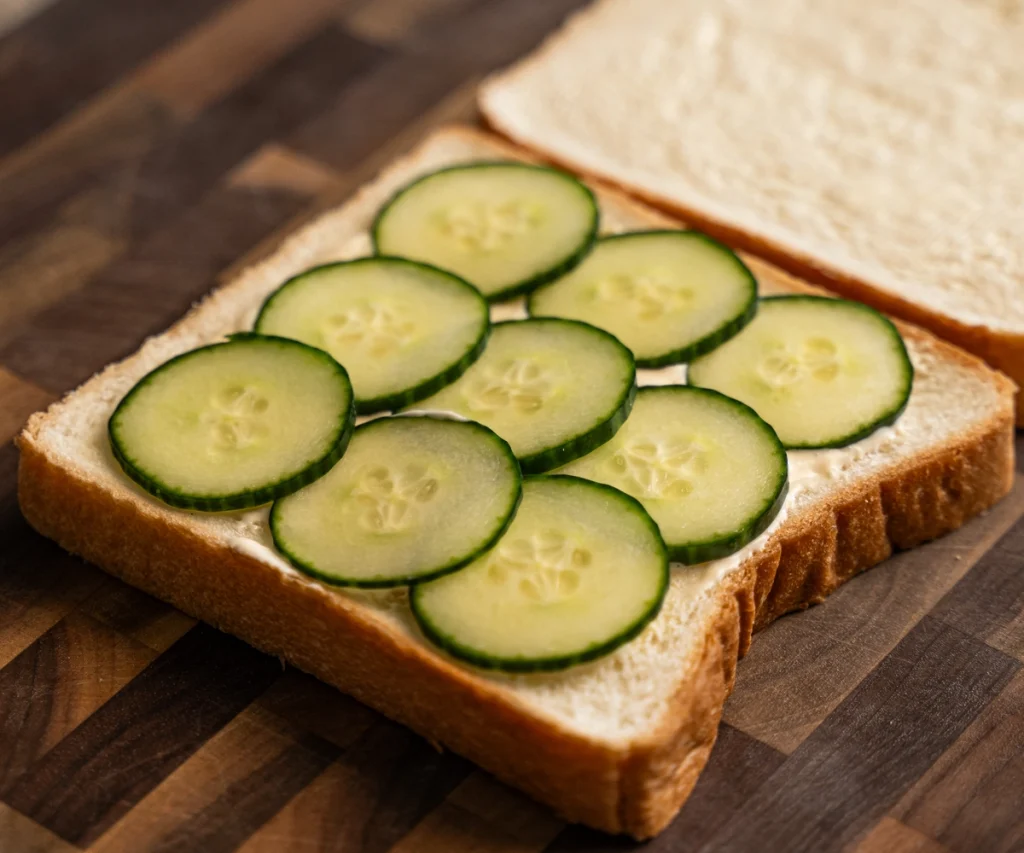
Use an English or Persian cucumber for this recipe. Both have thin skin, a firm, crunchy texture, and small, nearly seedless centers. That matters more than you’d think: watery seeds turn a beautiful sando soggy in minutes. Slice the cucumber as thin as you can so the slices layer flat and bite cleanly.
Ham
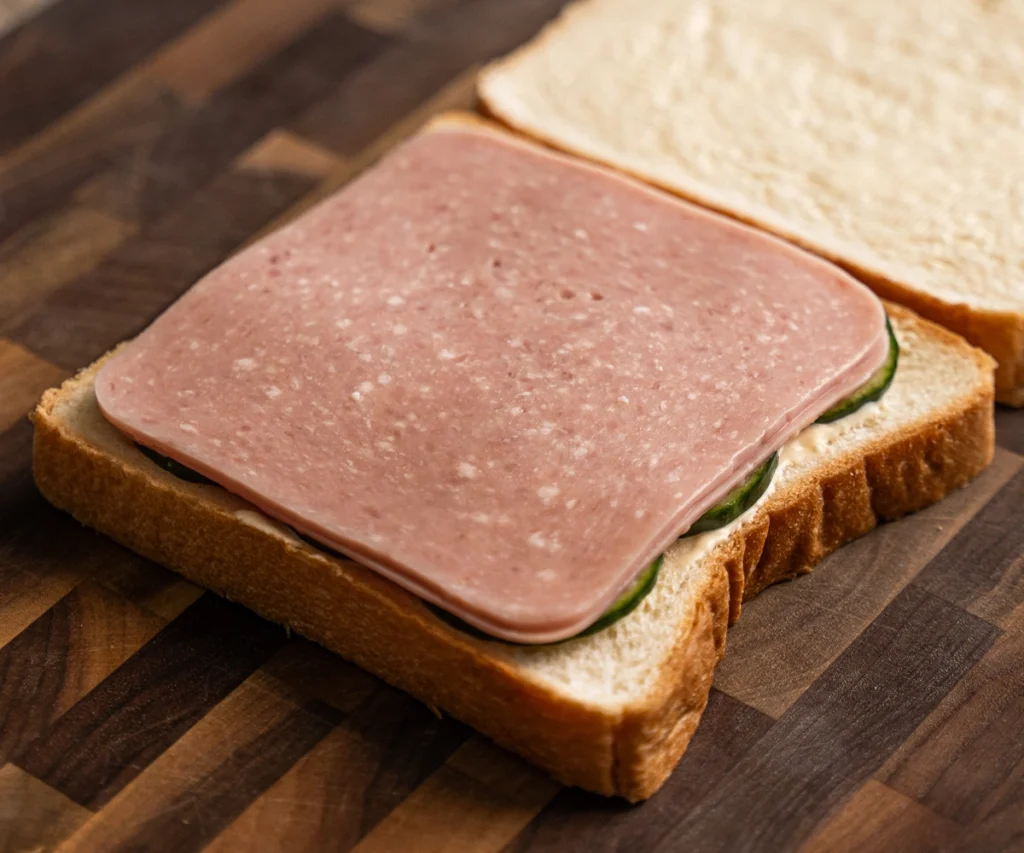
In Japan, konbini sandos use a thin, mild, slightly sweet pressed ham, often called roast ham or loin ham, sliced into neat squares that match the bread almost perfectly. That specific ham is a little bit more difficult to come by here in the States without special ordering it, so I opted for Oscar Mayer’s Chopped Ham. I found that it comes closest to what I ate in Japan in taste, texture, and that tidy square cut. It lays flat, covers the bread edge to edge, and delivers the same gentle, savory flavor without overpowering the cucumber. If you prefer a deli option, ask for a mild boiled ham sliced very thin.
Horseradish Mayo
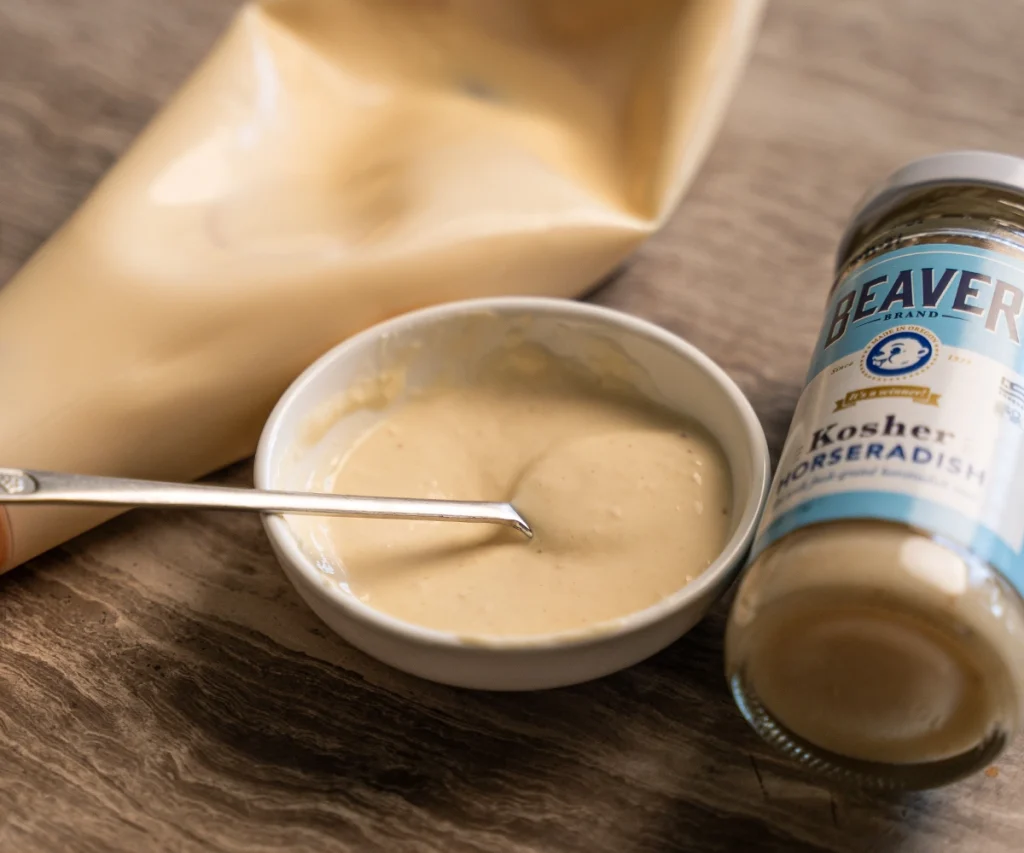
This sauce comes straight from the source. The 7-Eleven ham sandos I fell in love with in Japan use horseradish mayo, and that detail sets them apart from every other ham sandwich on the shelf. I recreate it at home by combining prepared horseradish with Kewpie mayo. Together, they add dimension and personality, bringing it all together. If you don’t like horseradish, though, many of these sandwiches use just mayo.
Japanese Ham and Cucumber Sando (Konbini Style)
1
servings10
minutes0
minutesIngredients
2 slices 2 Shokupan (Japanese Milk Bread)
1/4 1/4 English Cucumber
2 Slices 2 Chopped Ham
1/2 tbsp 1/2 Butter
- Horseradish Mayo:
1 tsp 1 Prepared Horseradish
1 tbsp 1 Kewpie Mayo
Directions
- Horseradish mayo:
- In a small bowl, stir together the prepared horseradish and Kewpie mayo until smooth. Set it aside
- Slice the cucumber:
- Cut the cucumber into very thin slices. Lay them on a paper towel and pat them dry. Optionally, for the crispest result, sprinkle them with a pinch of salt, wait 5 minutes, then blot away the moisture
- Ham and cucumber sando:
- Spread the butter evenly over one side of each shokupan slice, all the way to the edges. Then spread the horseradish mayo over the buttered side of both slices
- Layer the cucumber slices on one shokupan slice, and top with ham. Top with the second slice of shokupan, and place a heavy plate on top of the sandwich and let it vibe out for 5 minutes
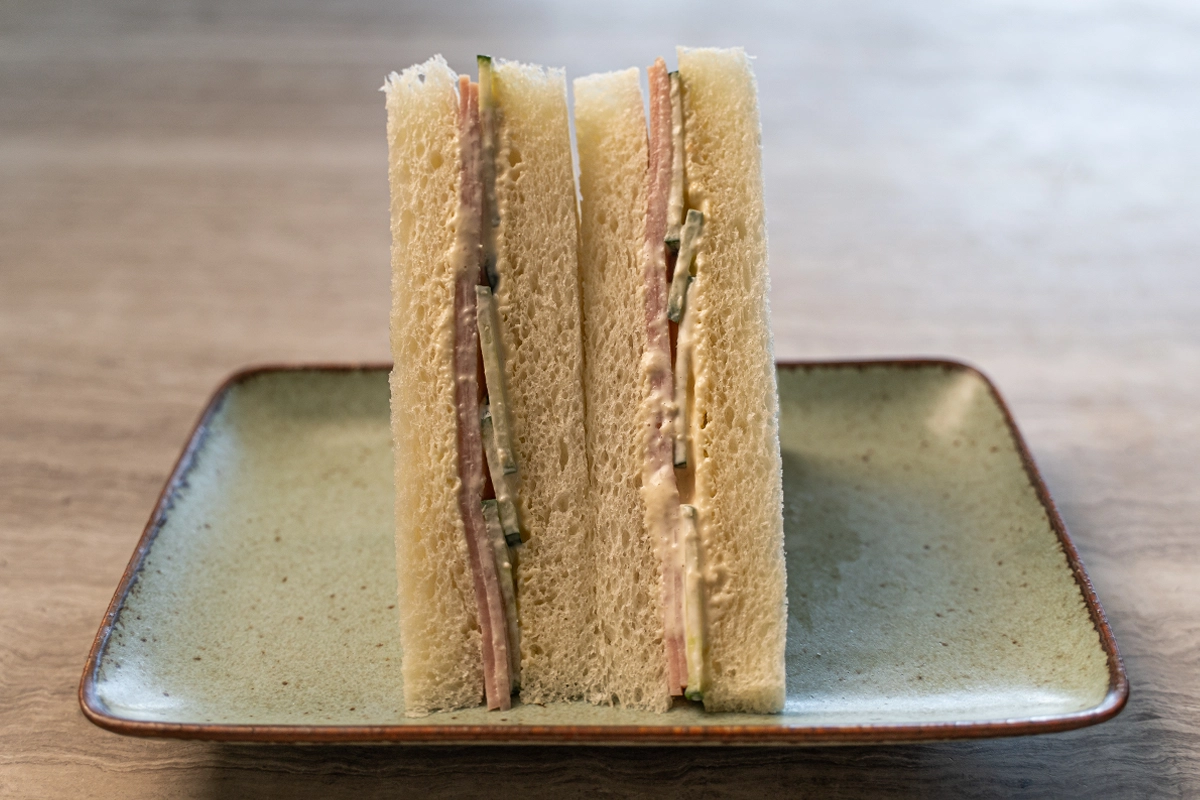
- Using a sharp serrated knife, cut off the crusts. Slice the sandwich in half diagonally or into three neat fingers. Serve immediately and enjoy!
Did you make this recipe?
Tag @feedthepudge on Instagram and hashtag it with #feedthepudge
If you like this recipe, make sure you pin it!
Frequently Asked Questions
What is a Japanese sando?
Sando is the Japanese shortened form of sandoitchi or sandwich. A Japanese sando typically uses soft shokupan, trims away the crusts, and focuses on a few carefully layered fillings, such as egg salad, katsu, fruit and cream, or ham and cucumber.
Why do Japanese sandwiches cut off the crust?
Crustless bread became the standard with Japan’s earliest sandwiches more than a century ago. Trimming the crust gives every bite the same soft texture and creates the clean, tidy look that defines a konbini sando.
Can I use regular mayonnaise instead of Kewpie?
You can, but Kewpie makes a noticeable difference. Japanese mayo uses only egg yolks and rice vinegar, which gives it a richer, tangier flavor. You can find it in the Asian aisle of most grocery stores or at any Japanese market.
Latest Posts
- Garlic Bread Salmon Banh Mi

- Banh Canh Suon Heo / Vietnamese Pork Soup with Tapioca Noodles
- Giovanni’s Shrimp Truck Garlic Shrimp Dupe Recipe