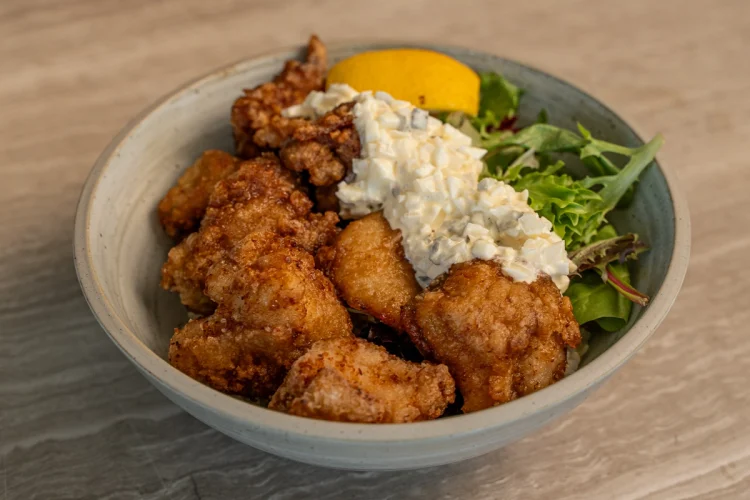
Some dishes just get everything right, and chicken nanban is the perfect example. To me, it’s an absolutely perfect meal on a single plate. You get crispy, tender pieces of fried chicken coated in a savory, tangy sauce, then paired with a creamy Japanese tartar sauce that takes the whole thing to another level. It’s the composition of flavors and textures, the crunch against the creaminess, that makes it such a standout in my book. So whether you’re craving a cozy plate of Japanese comfort food for yourself or want to wow your friends and family at your next dinner, this is one recipe you simply have to try.
What Is Chicken Nanban?
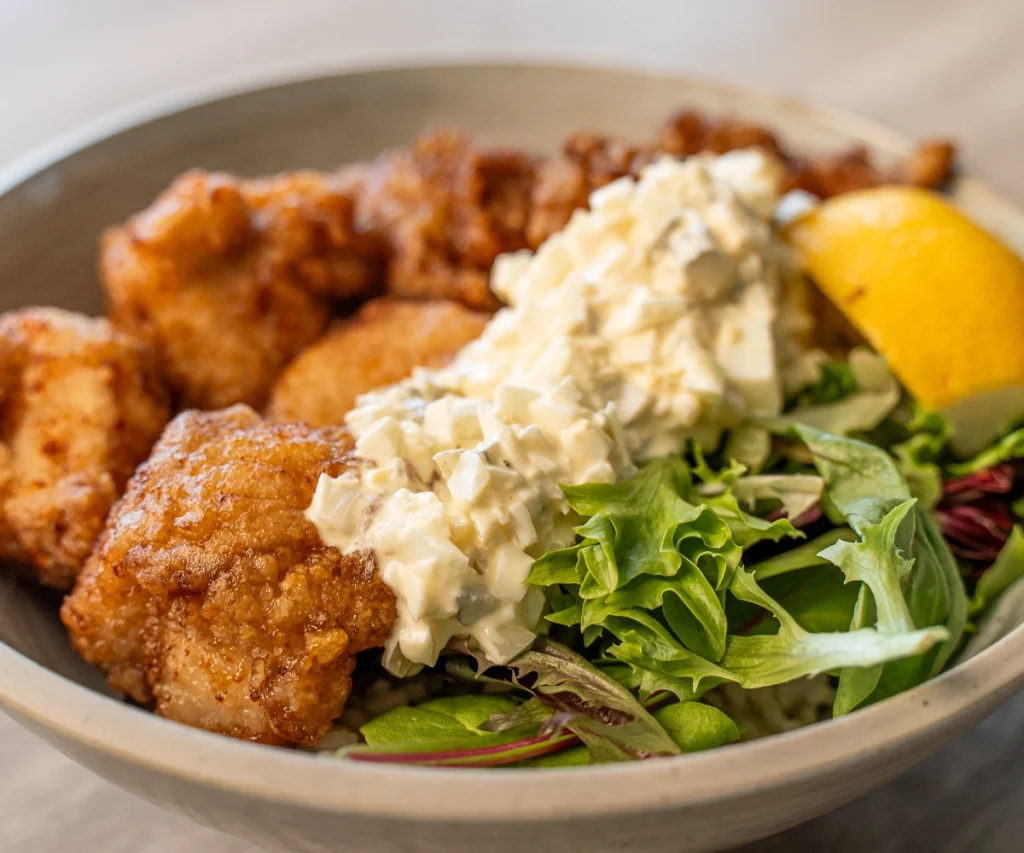
Chicken nanban comes from Miyazaki Prefecture on the southern island of Kyushu, and it has earned a devoted following far beyond Japan. Cooks fry seasoned chicken until golden, coat it in a bright sweet-and-sour sauce called nanban sauce, then finish it with a generous spoonful of creamy Japanese tartar sauce. The word nanban once referred to foreign traders who arrived in Japan centuries ago, and over time it came to describe dishes shaped by that outside influence.
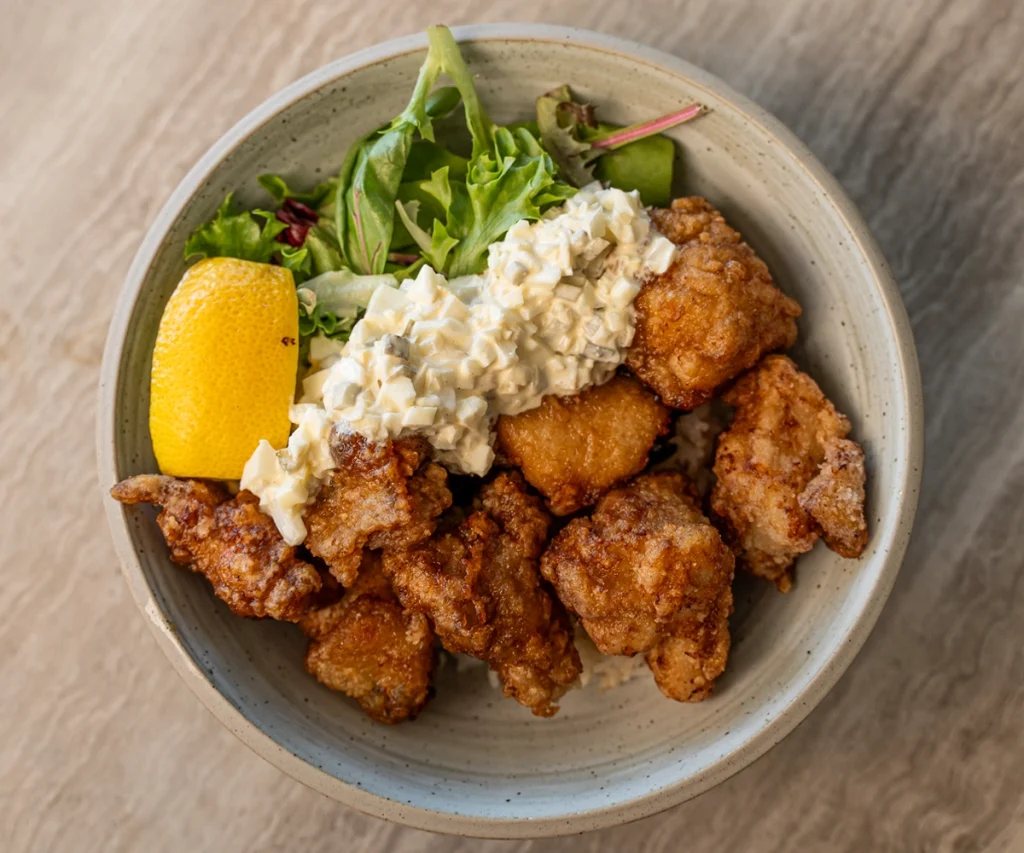
It shares similarities with karaage, Japan’s famous fried chicken, but the sauce and tartar topping set it firmly in a class of its own. Karaage arrives seasoned and crisp, usually with nothing more than a squeeze of lemon. Chicken nanban goes several steps further, bathed in a tangy glaze and blanketed in a Japanese-style tartar sauce, so every piece delivers crunch, tang, and creamy richness all at once.
How to Make Chicken Nanban
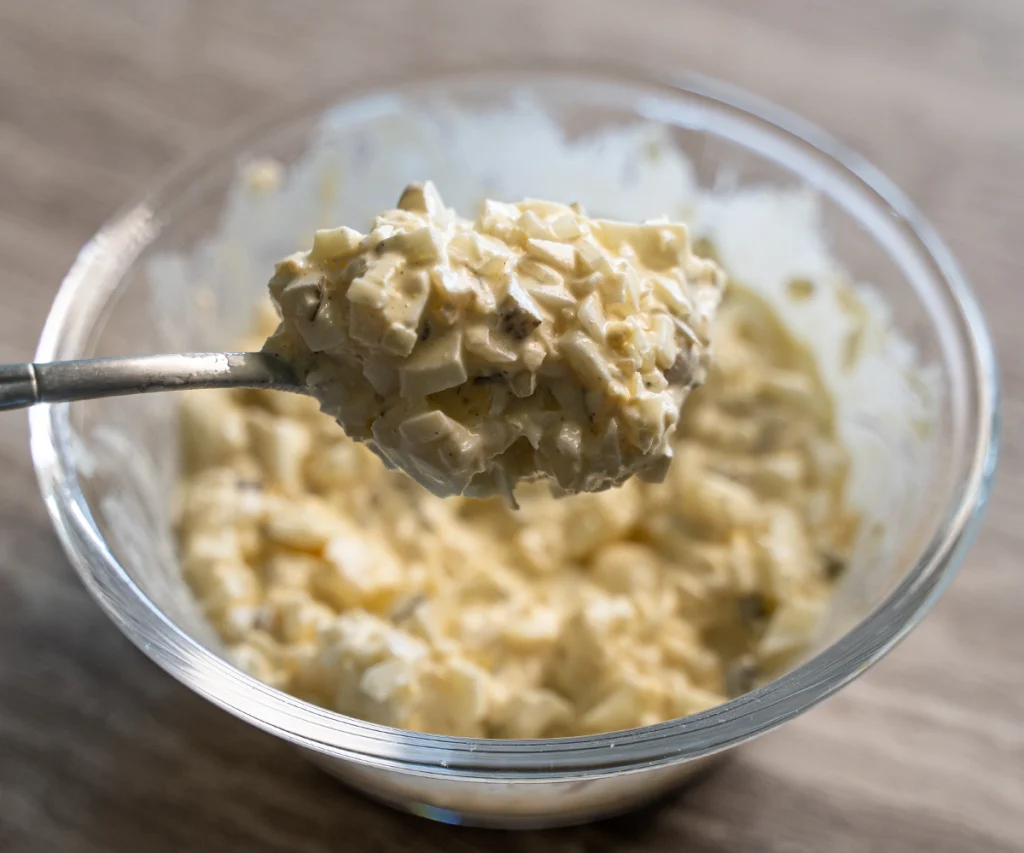
Make the Japanese tartar sauce
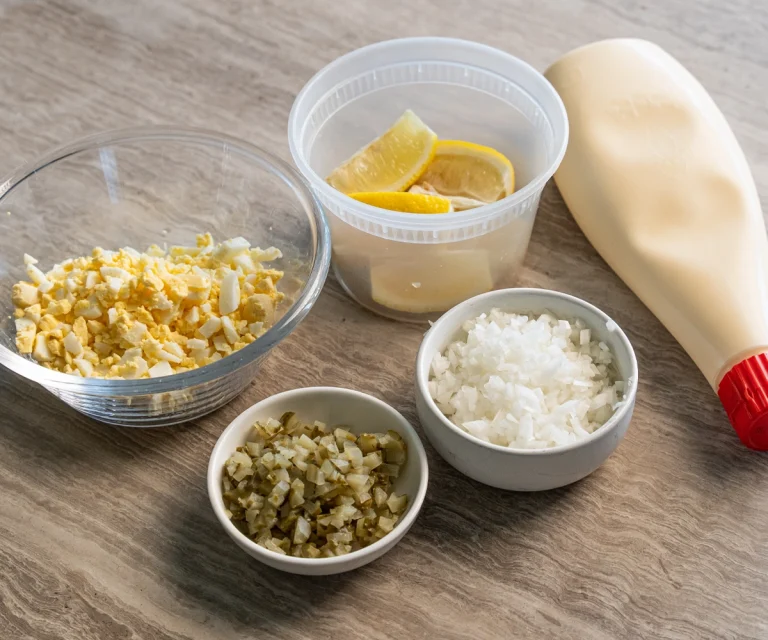
Boil the eggs until firm (about 10 minutes), then cool, peel, and chop them. Finely dice the white onion and pickles. Fold the egg, onion, and pickles into the Kewpie mayo along with the lemon juice, salt, and white pepper. Taste, adjust, and chill until ready to serve.
Make the fried chicken
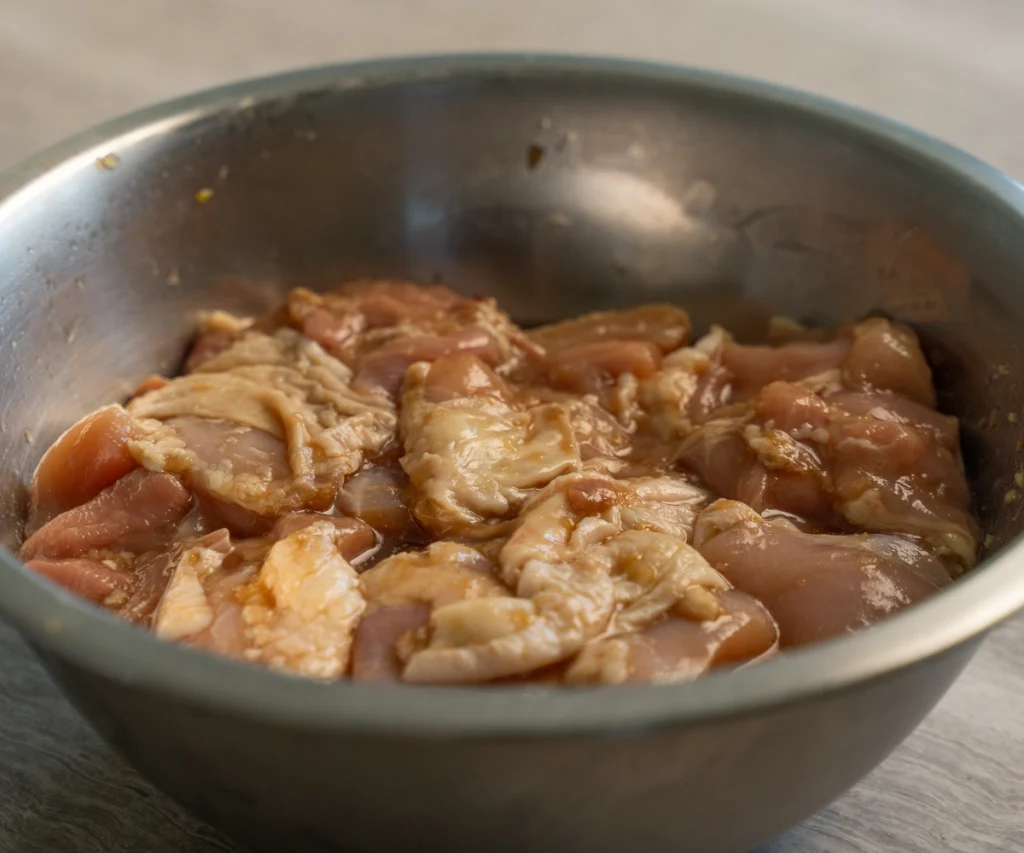
Cut the chicken thighs into large, generous bite-size pieces. Whisk together the soy sauce, sake, mirin, grated ginger, minced garlic, and oil, then toss the chicken in the marinade until every piece is coated. Let this vibe out in the fridge for at least an hour.
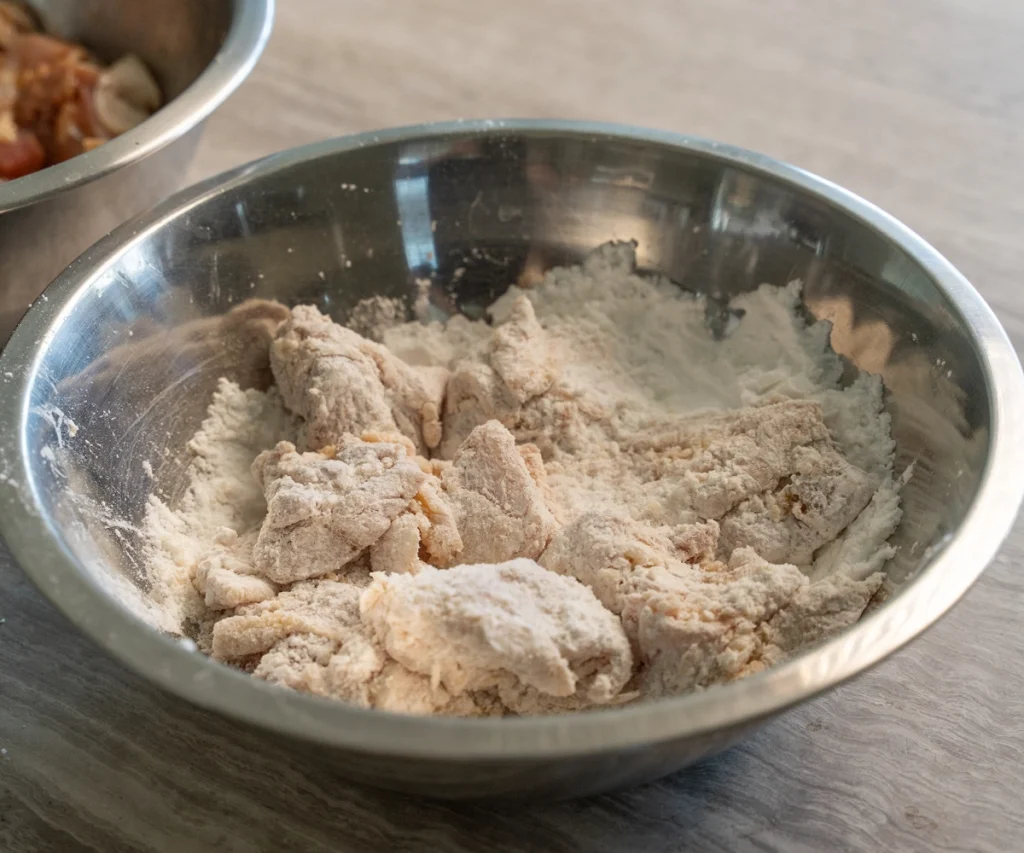
In a separate bowl, stir together the potato starch, cornstarch, and salt. Lift each piece of chicken from the marinade, let the excess drip off, then press it firmly into the starch so the coating sticks.
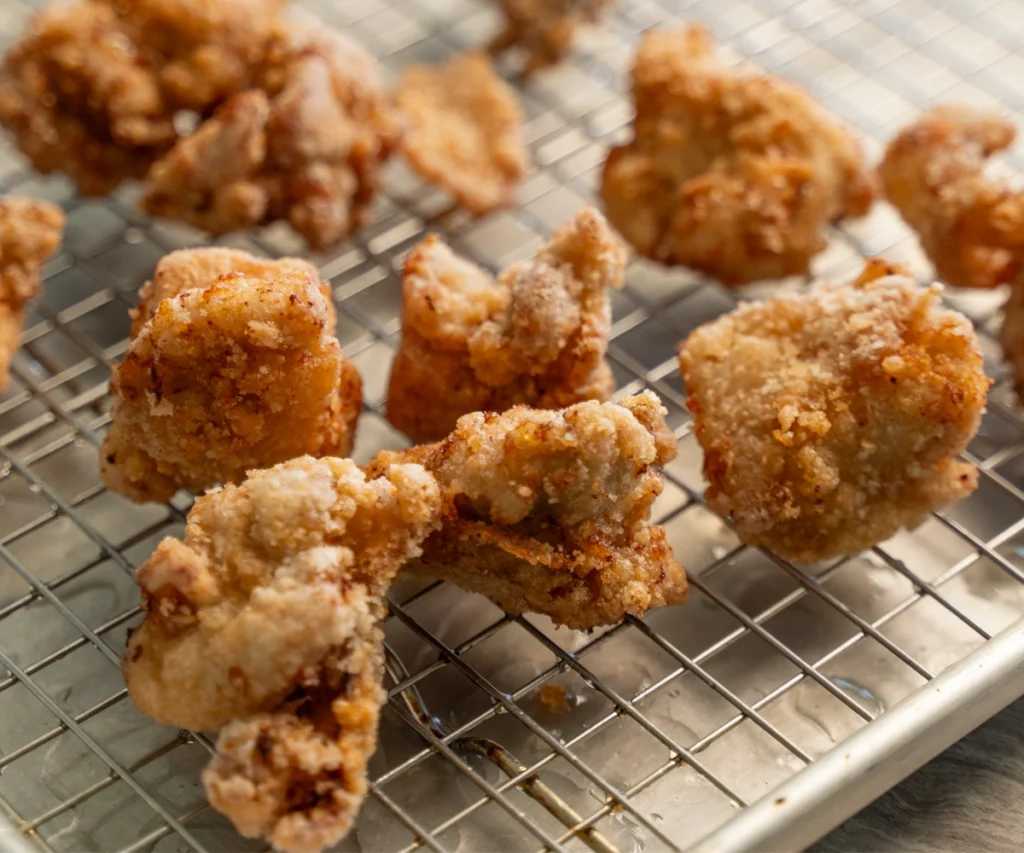
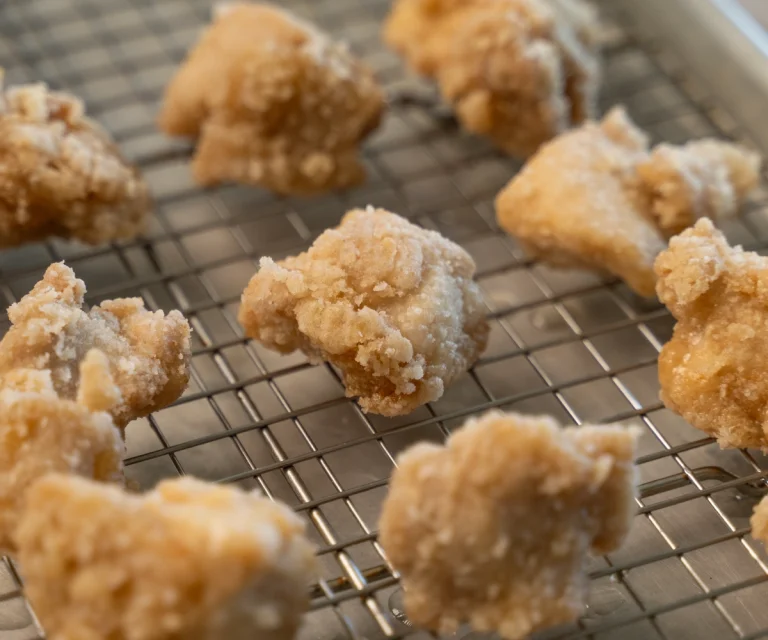
Heat your frying oil to 325F. Fry the chicken in batches, so you don’t overcrowd the pan, cooking each piece for 3 to 4 minutes until pale golden and mostly cooked through. Remove the chicken from the oil and let it rest on a wire rack for 3 to 4 minutes. Raise the oil temperature to 375F, then fry the chicken again in batches for 1 to 2 minutes, until golden brown and crispy and the chicken reaches a minimum safe internal temp of 165F. Drain on a wire rack.
Make the nanban sauce
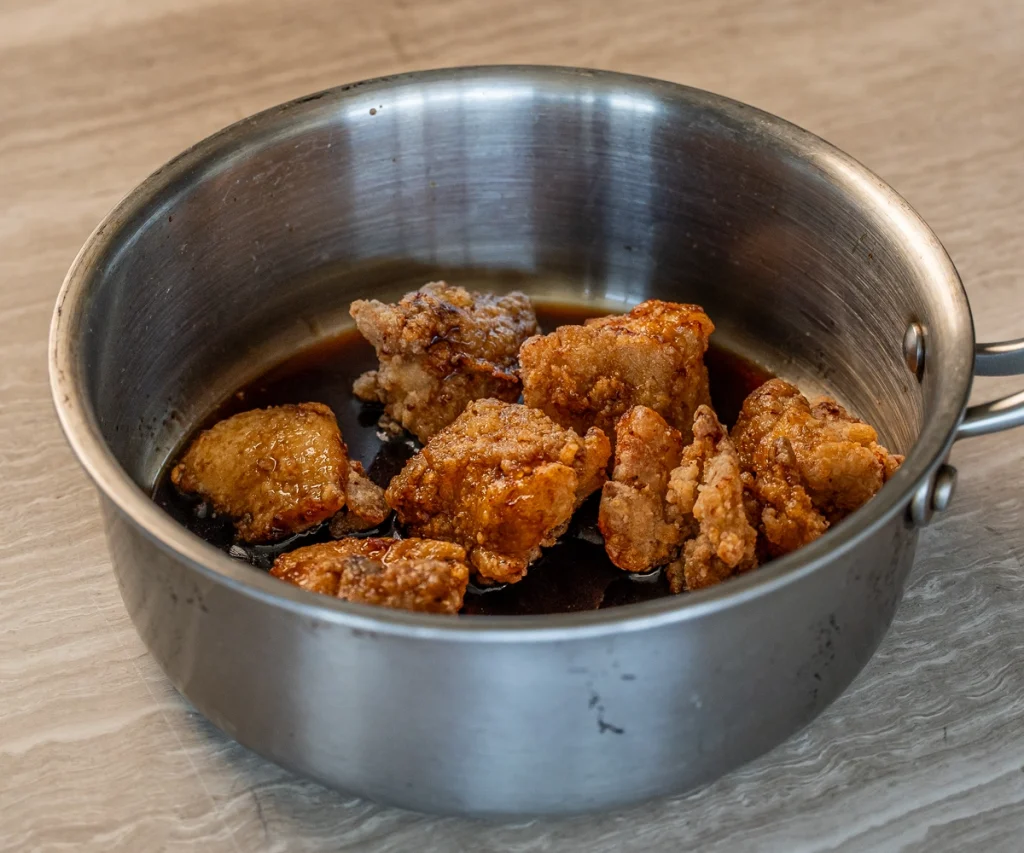
Combine the soy sauce, rice vinegar, sugar, and mirin in a small saucepan. Warm over medium heat and stir until the sugar dissolves, then remove from the heat. While the chicken is still hot, dip or toss the pieces in the nanban sauce, or spoon it generously over the top. Work quickly to keep the crust crisp.
Serve
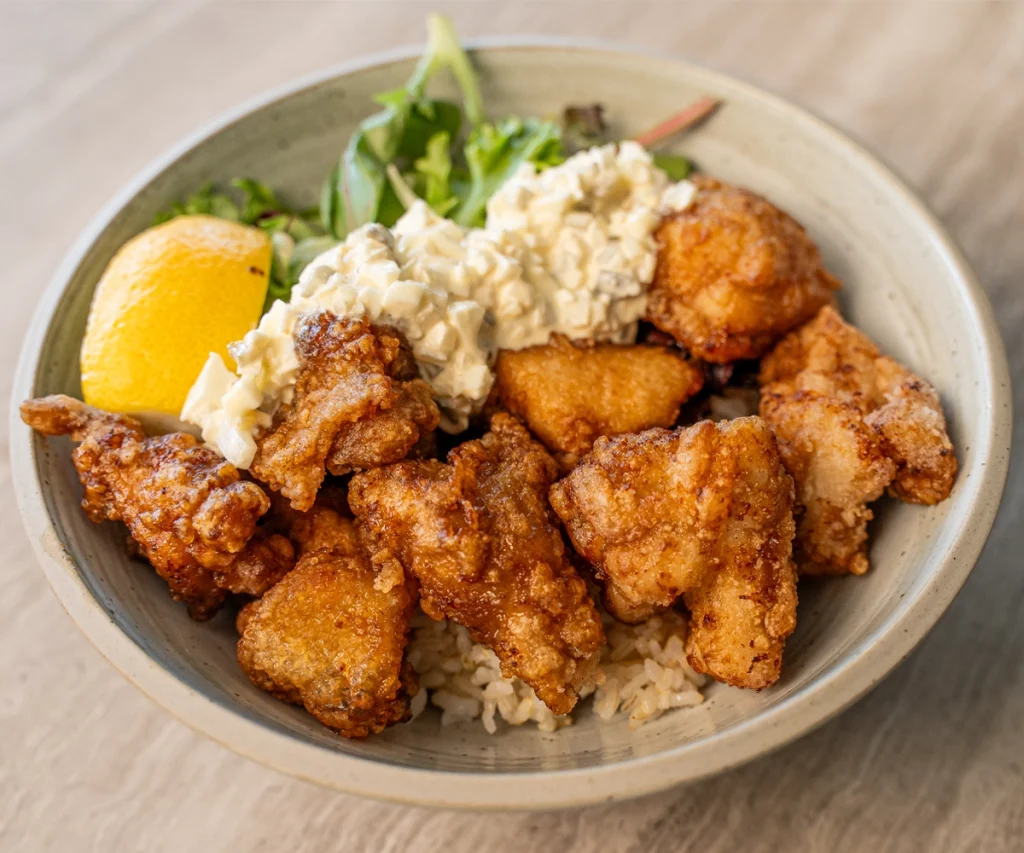
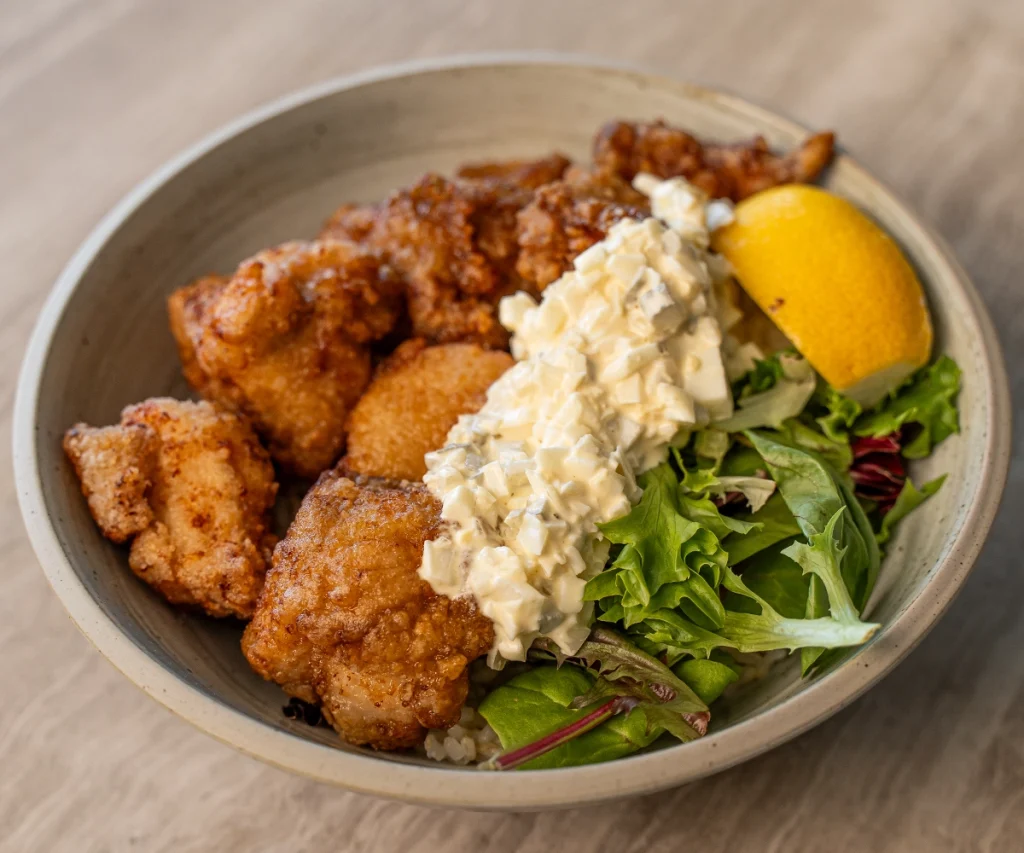
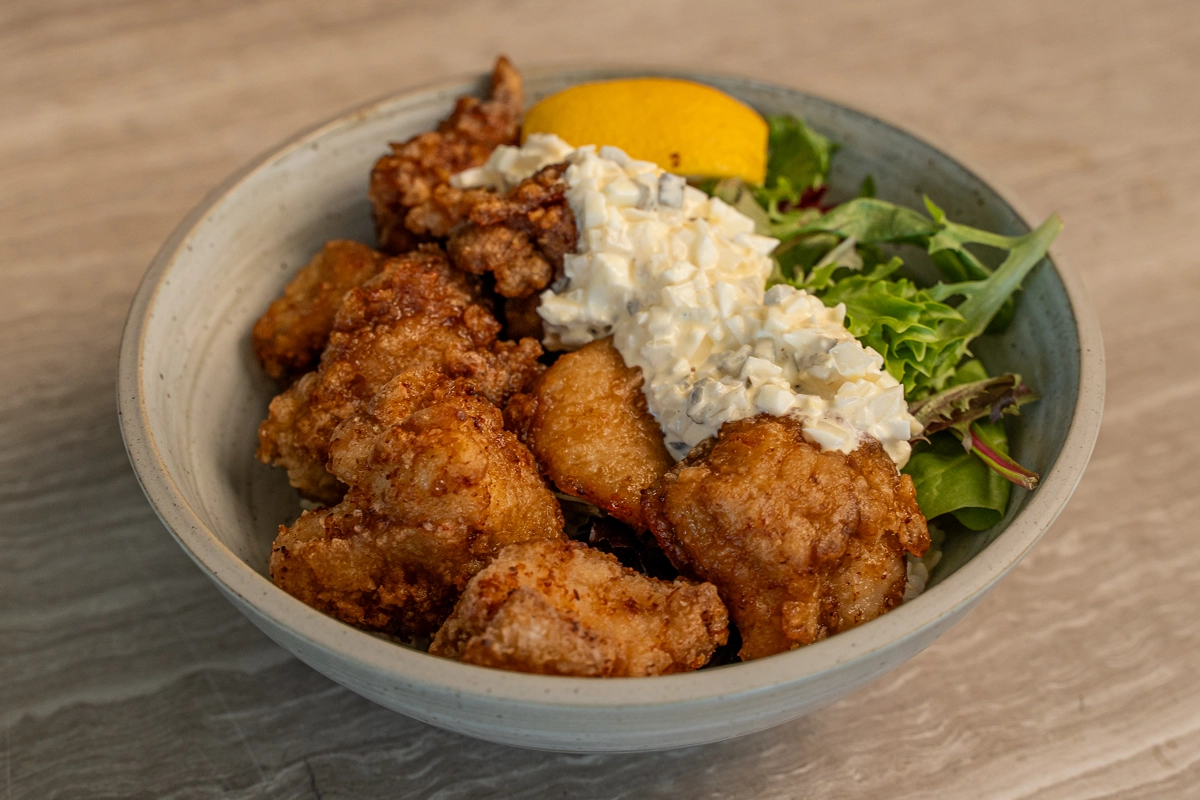
Pile the chicken over hot rice with a handful of spring mix, then finish it with a big dollop of Japanese-style tartar sauce and a wedge of lemon. Enjoy!
Chicken Nanban / Japanese Fried Chicken and Tartar Sauce
4-5
servings1
hour20
minutesIngredients
- Fried Chicken:
2 lbs 2 Boneless, Skin-On Chicken Thighs
Oil, For Frying
- Marinade:
2 tbsp 2 Soy Sauce
1 tbsp 1 Sake
1/2 tbsp 1/2 Mirin
1/2 tbsp 1/2 Grated Ginger
1/2 tbsp 1/2 Minced Garlic
1 tbsp 1 Oil
- Dry Batter:
1 cup 1 Potato Starch
2 tbsp 2 Cornstarch
1/4 tsp 1/4 Salt
- Nanban Sauce:
2 tbsp 2 Soy Sauce
2 tbsp 2 Rice Vinegar
1 tbsp 1 Sugar
1 tbsp 1 Mirin
- Japanese Tartar Sauce:
2 2 Eggs
3 tbsp 3 Pickles
2 tbsp 2 Kewpie Mayo
1/4 1/4 White Onion
1/4 1/4 Lemon, Juice
1/8 tsp 1/8 Salt
1/8 tsp 1/8 White Pepper
- Accompaniments and Garnishes:
Rice
Spring Mix
Lemon
Directions
- Tartar Sauce:
- Boil the eggs until firm (about 10 minutes), then cool, peel, and chop. Finely dice the onion and pickles. Fold the egg, onion, and pickles into the Kewpie mayo with the lemon juice, salt, and white pepper. Taste, adjust, and chill until ready to serve
- Fried Chicken:
- Cut the chicken into large bite-size pieces. Whisk the marinade ingredients together, toss the chicken to coat, and marinate in the fridge for at least 1 hour
- Heat the oil to 325F. Fry the chicken in batches for 3 to 4 minutes until pale golden and mostly cooked through. Rest on a wire rack for 3 to 4 minutes. Raise the oil to 375F and fry again in batches for 1 to 2 minutes, until golden brown and crispy and the chicken reaches 165F inside. Drain on a wire rack
- Mix the potato starch, cornstarch, and salt. Lift the chicken from the marinade, let it drip, and press each piece into the starch until fully coated
- Heat the oil to 325F. Fry the chicken in batches for 3 to 4 minutes until pale golden and mostly cooked through. Rest on a wire rack for 3 to 4 minutes. Raise the oil to 375F and fry again in batches for 1 to 2 minutes, until golden brown and crispy and the chicken reaches 165F inside. Drain on a wire rack
- Nanban Sauce:
- Combine the nanban sauce ingredients in a small saucepan. Warm over medium heat just until the sugar dissolves, then remove from the heat. While the chicken is still hot, toss or dip the pieces in the sauce, working quickly so the crust stays crisp
- Serve:
- Pile the chicken over hot rice with spring mix, then finish with a big dollop of tartar sauce and a wedge of lemon. Enjoy!
Did you make this recipe?
Tag @feedthepudge on Instagram and hashtag it with #feedthepudge
If you like this recipe, make sure you pin it!
Frequently Asked Questions
What is the difference between chicken nanban and karaage? Both are Japanese fried chicken, but they differ in the sauce. Karaage arrives crisp and plain, often with just a squeeze of lemon. Chicken nanban takes it further by glazing the fried chicken in a tangy nanban sauce and finishing it with tartar sauce.
Can I use chicken breast instead of thighs? Yes. Traditional Miyazaki shops often use breast, and the nanban sauce keeps it moist. I prefer boneless thighs for their juicier, richer bite, but breast makes a lighter version that is still delicious.
Is this the traditional coating? This recipe uses a crispy potato starch coating like the one behind karaage. The classic Miyazaki style dips the chicken in a flour-and-egg batter that fries into a softer, sauce-soaking crust. Both are loved across Japan, so cook the one that speaks to your soul.

