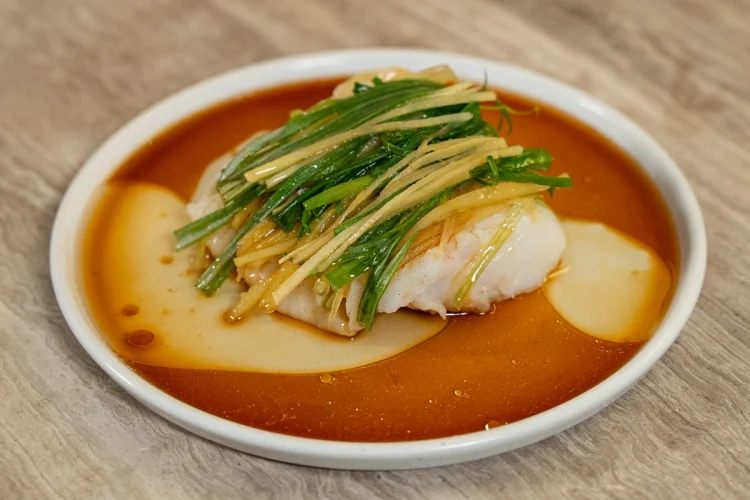
If you’ve ever experienced a dish that perfectly balances delicate flavors, then you know just how remarkable Vietnamese cuisine can be. One such dish is Cá Hấp Hành Gừng—a light, fragrant steamed fish made with fresh ginger, scallions, and a touch of soy sauce. This dish isn’t just about satisfying your taste buds; it’s also a beautiful example of how Vietnamese food has evolved over centuries, influenced by neighboring cultures, particularly the remnants of Chinese imperial rule. This Ca Hap Hanh Gung is an adaptation of the whole steamed fish you would typically find in restaurants, and made with white fish filets to make it an accessible and tasty variation!
What is Ca Hap Hanh Gung?
Ca Hap Hanh Gung translates to “steamed fish with ginger and scallions,” and it’s a dish that highlights the simplicity and purity of Vietnamese cooking. Fresh fish—often whole snapper or tilapia—is seasoned with aromatic ginger and scallions before being gently steamed. The result is a delicate, tender fish with a subtle sweetness and a bright, slightly spicy edge from the ginger.
The sauce made from soy sauce, sesame oil, and some sugar gives the dish a savory depth, making it a balanced and comforting meal. It’s commonly served with rice and is a popular choice for family gatherings or special occasions. The steaming process elevates the fish’s natural flavors, which preserves moisture and ensures that every bite is light yet satisfying.
The Chinese Influence on Vietnamese Cuisine
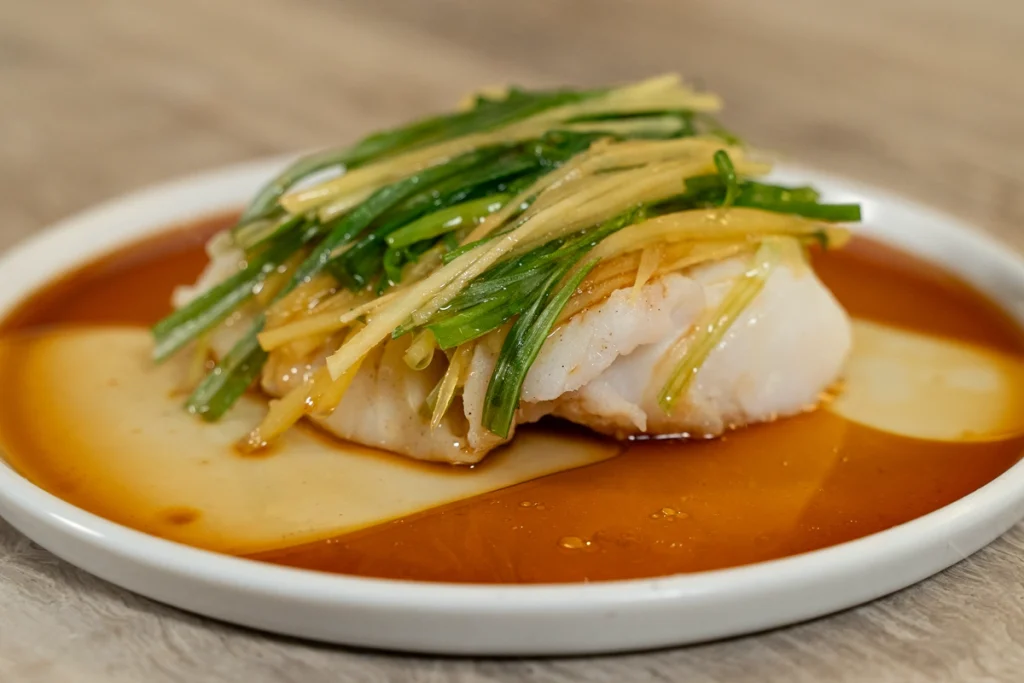
Many people may not realize that Vietnamese cuisine owes much of its flavor profile to centuries of Chinese imperial rule, especially in northern Vietnam. The two cultures have shared a long history of trade, migration, and cultural exchange, and this connection has significantly shaped how Vietnamese food tastes and is prepared. One of the most significant Chinese influences in Vietnamese cuisine is the technique of steaming, which is at the heart of ca hap hanh gung. Steaming allows ingredients to retain their natural moisture, and it’s a method widely used in Chinese kitchens. You’ll also notice the use of soy sauce and other Chinese seasonings, which have found a place in many Vietnamese dishes.
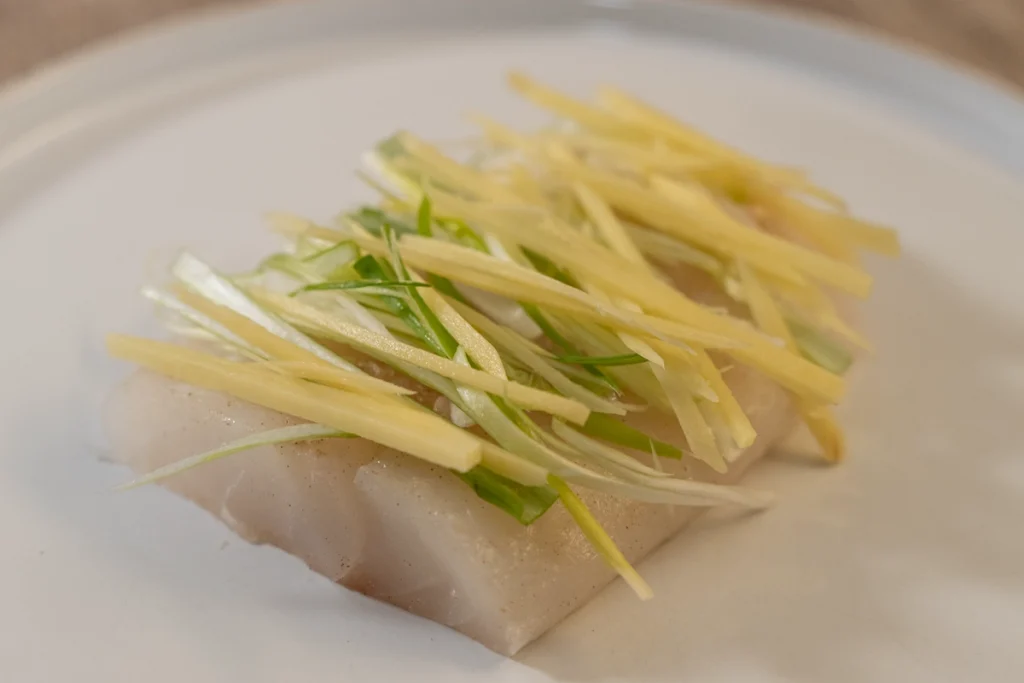
In the case of ca hap hanh gung, the combination of ginger, scallions, and soy sauce ties back to Chinese culinary traditions, where these ingredients are often paired with fish to accentuate its freshness and bring balance to the dish. The Vietnamese have adapted these techniques and ingredients to suit their tastes, adding their own touch to create a dish that’s distinctly Vietnamese but with subtle hints of Chinese influence.
Why You’ll Love This Recipe
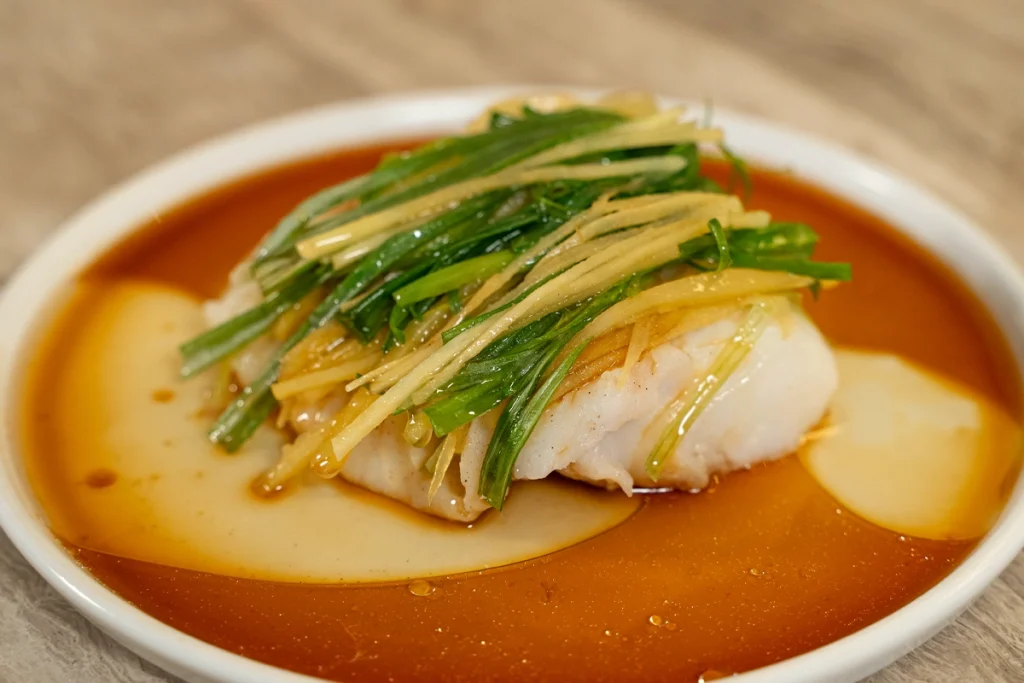
There’s something about ca hap hanh gung that makes it both comforting and refreshing. The fish itself is tender and moist, with just the right amount of seasoning. The aromatic ginger provides a warm, zesty flavor that cuts through the richness of the fish, while the scallions offer a fresh, slightly sharp bite. And the sauce? It’s a perfect balance of salty and sweet, elevating the dish without overpowering it.
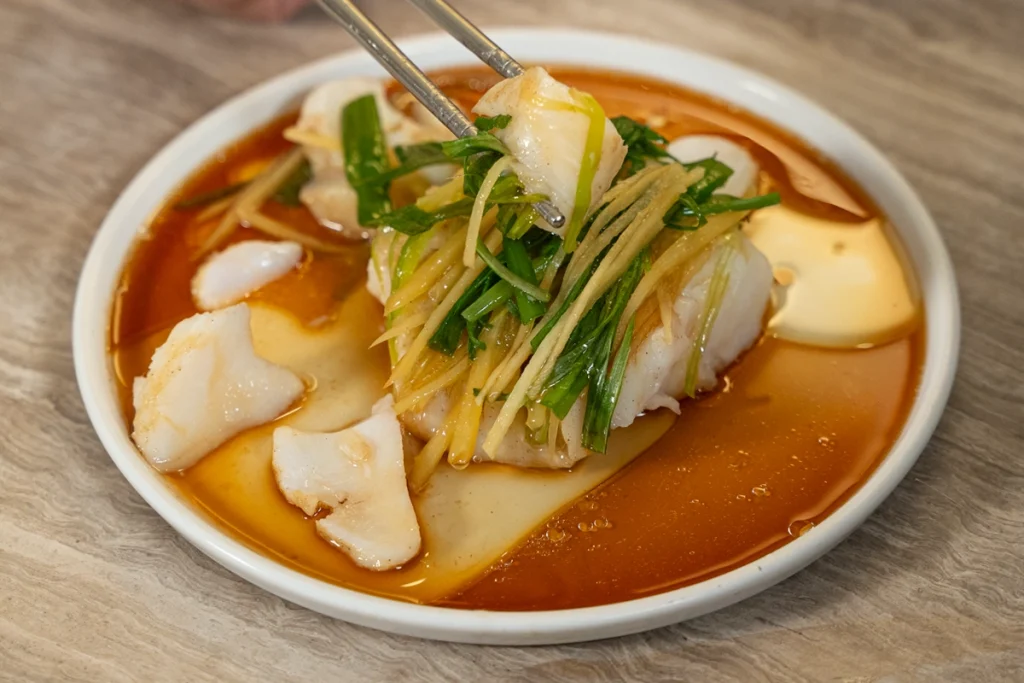
Most restaurants steam a whole fish, which adds an impressive touch, but it can be intimidating to prepare at home. With this recipe, you’ll be able to recreate that same dish using fish fillets, making it much more accessible and easy to prepare in your own kitchen. The fillets cook quickly and evenly, so you can enjoy that restaurant-quality meal without the hassle. It’s a healthy, light dish that can be enjoyed on its own or paired with a bowl of steamed rice, making it perfect for any occasion, whether it’s a cozy family dinner or a celebration with friends.
Additionally, you can swap the fish in this recipe for any fish you like. Now, typically, it is made with white fish like grouper, cod, tilapia, or seabass, but don’t be afraid of making it with salmon or whatever fish you have handy!

Steamed Fish with Ginger and Scallion / Ca Hap Hanh Gung
4
servings5
minutes15
minutesIngredients
1 lb 1 Fish Filet (White Flesh)
4 stalks 4 Green Onions
2 inch 2 Nub of Ginger
3 tbsp 3 Neutral Oil
- Seasoning Blend:
1/4 tsp 1/4 Salt
1/4 tsp 1/4 MSG
1/4 tsp 1/4 White Pepper
1 tbsp 1 Shaoxing Wine
- Sauce:
2 tbsp 2 Soy Sauce
2 tbsp 2 Water
1/2 tbsp 1/2 Sesame Oil
1 tsp 1 Sugar
1/2 tsp 1/2 White Pepper
Directions
- Fish:
- Cut fish filets into more manageable size pieces that’ll fit comfortably on the dish you’re planning to steam the fish on
- Season the fish filet on both sides with salt, MSG, white pepper, and Shaoxing wine. Place seasoned fish filet in the center of the plate and set aside while we prep the rest of our ingredients
- Prep:
- Peel ginger, then cut into slices before julienning into thin strips
- Cut green onion root ends off and then into thirds. Julienne green onion into strips
- Sauce:
- Combine soy sauce with water, sesame oil, sugar, and white pepper in a mixing bowl. Mix well until sugar is fully dissolved
- Steam:
- Add a portion of the julienned ginger and green onions directly on top of the fish
- Place fish into a steamer; if you don’t have one, you can make one by rolling a piece of foil into a coil. Place at the bottom of a wide pan and fill with several inches of water
- Steam the fish for 7-9 minutes, or until the fish is cooked through and flakey
- Drain any liquid that pools onto the dish
- Garnish with additional ginger and green onion, and spoon over a generous amount of the sauce
- In a separate pot, heat neutral oil until it reaches 450F. Pour hot oil over the fish, and enjoy!
Did you make this recipe?
Tag @feedthepudge on Instagram and hashtag it with #feedthepudge
If you like this recipe, make sure you pin it!


Made it for the first time and it took me back to all the Vietnamese weddings that served this dish. So yummy! Even my teenagers loved it.
So glad that you and your family enjoyed it!