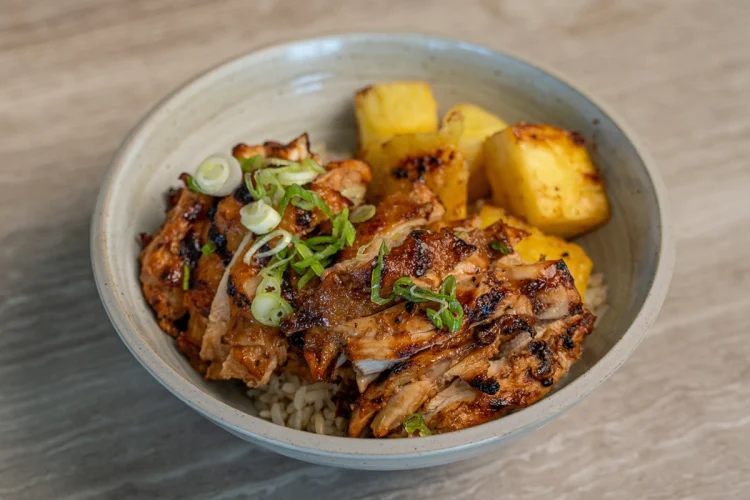
I have loved island-style food for long before I could remember. When my family first immigrated to America, the seven of us crammed into a tiny two-bedroom apartment in South Seattle. Over the next handful of years, my parents became good friends with our Samoan neighbors, and while all of the grownups worked long hours, we kids bounced back and forth between each other’s apartments like it was one big shared home. Every time I walked through their door, the whole place already smelled like something sweet and smoky was about to change my afternoon. They cooked Hawaiian-style dishes I had previously never tasted before, and one of them I can still imagine the taste of to this very day: huli huli chicken. Sweet, sticky, fruit-forward with notes of pineapple. I honestly could not stop eating it, and would ask them to make it all the time.
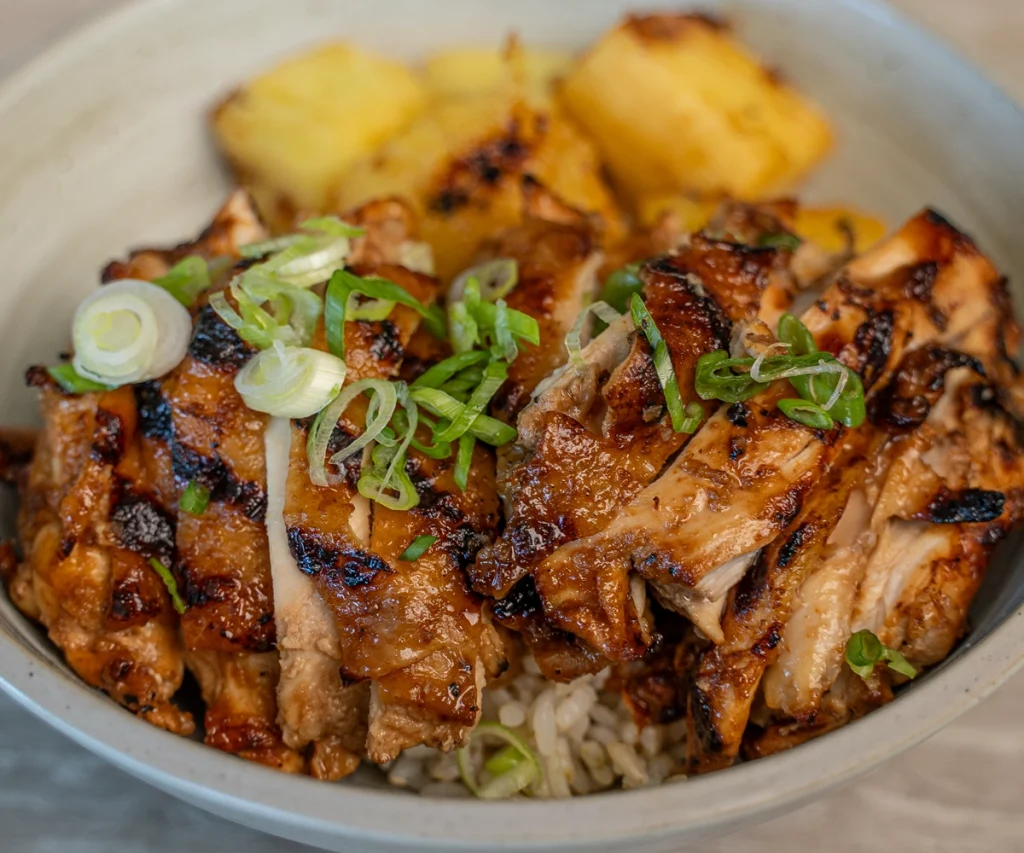
Looking back, I’m pretty certain they used the bottled huli huli sauce you can grab right off a grocery shelf. That flavor still tastes like my childhood, so today I wanted to recreate that memory from scratch. Get the full recipe in the card below, or keep reading for the story, the tips, and everything that makes this huli huli chicken so incredible.
What Is Huli Huli Chicken?
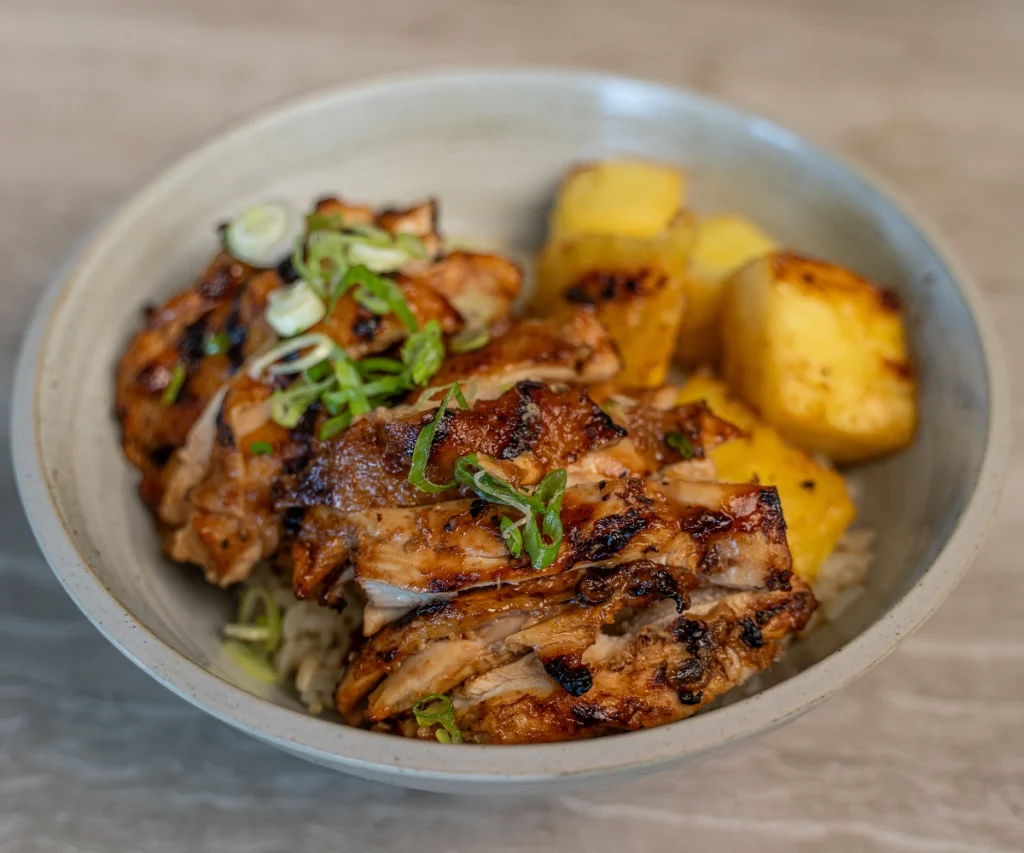
Huli huli chicken is a Hawaiian grilled chicken that typically features a whole or split chicken marinated and glazed with a sweet and savory sauce made of pineapple juice, shoyu, ginger, garlic, brown sugar, and ketchup. The marinated chicken is grilled while turning and basting until the sauce caramelizes into a glossy, sticky glaze.
The name tells you its preparation method. “Huli” means “turn” in Hawaiian, and that is exactly what you do: you flip the chicken again and again over the heat so it cooks evenly and picks up that lacquered, slightly charred finish on every side. The dish traces back to 1955, when a Honolulu businessman named Ernest Morgado grilled chicken in a family teriyaki-style sauce, called it huli huli, and accidentally started a Hawaiian icon. Morgado, a Portuguese American businessman and former World War II naval intelligence officer, cofounded a company called Pacific Poultry with a chicken farmer named Mike Asagi in Ewa, Hawaii. The very next year, at a gathering of local farmers, Morgado grilled up chicken in a teriyaki-style sauce handed down from his mother. It was an instant hit, and it quietly launched one of Hawaii’s most beloved foods.
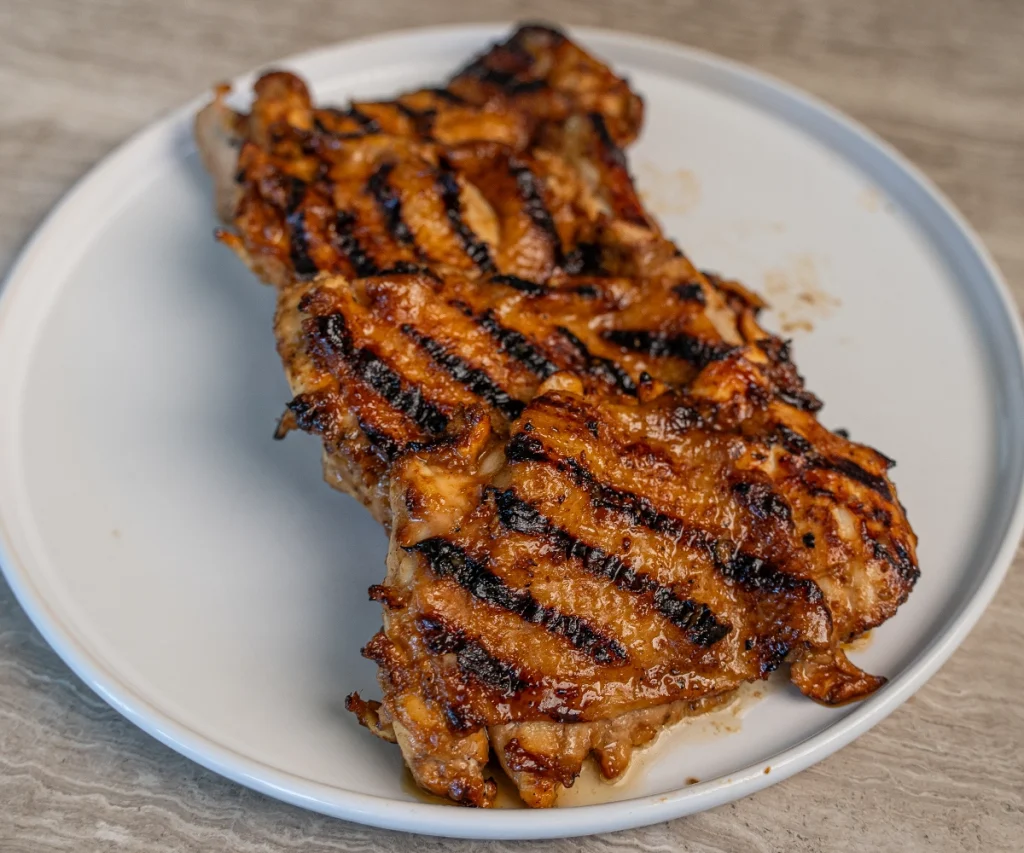
Morgado knew he had created something special, so he protected it. He registered “huli huli” as a trademark with the Territory of Hawaii in 1958, then locked it in federally in 1965. He guarded his exact sauce as a closely held trade secret and never published the original recipe, though he did begin bottling and selling his huli huli sauce in stores in 1986. That bottle is very likely the same one my neighbors reached for all those years ago. That trademark is part of why you’ll notice something the moment you go looking for this dish in Hawaii. Because the huli huli name belonged to Morgado, many cooks, stands, and shops sell their own version as “huli style” chicken instead. Wander across the islands today, and you’ll still find it everywhere, sizzling at roadside stands, drive-ins, mini marts, and church fundraisers, filling the air with that same sweet smoke that kept pulling me back for seconds as a kid.
Ingredient Notes:
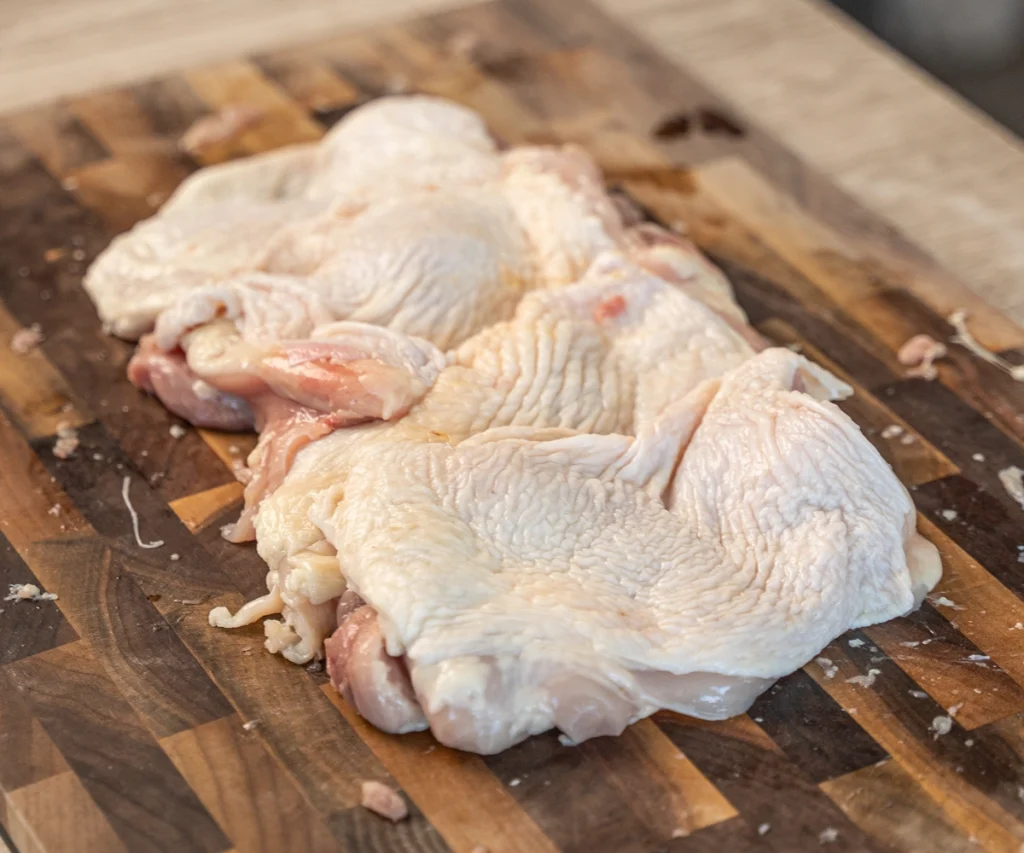
Chicken thighs (skin-on, boneless): Now typically whole or split chickens are used for Huli Huli Chicken, but to make this recipe more accessible for home cooks, we’re using skin-on, boneless chicken thighs instead. They stay tender and juicy on the grill and soak up the marinade far better than lean breast meat. Skin on gives you those crispy, caramelized edges, and boneless keeps the cooking quick and even. And while traditionally, this chicken was grilled on a spit or rotisserie, we’re just grilling it directly over our grill grates.
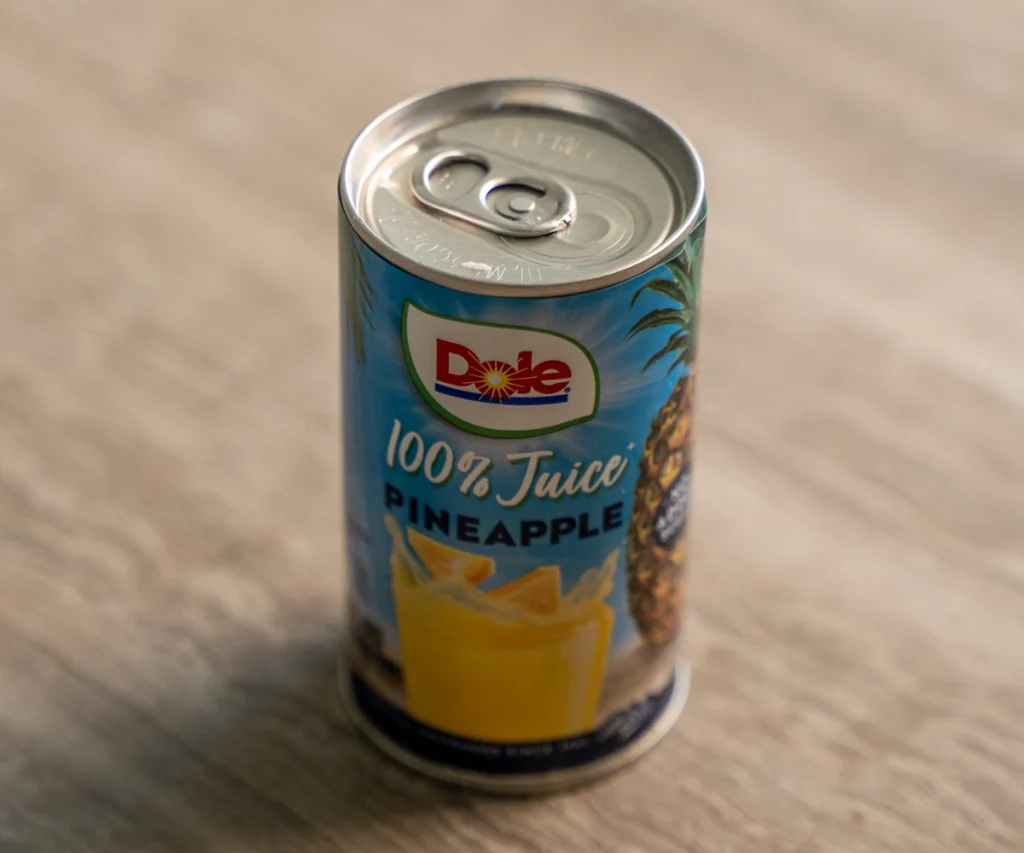
Pineapple juice: This is the soul of the dish. Reach for canned or bottled shelf-stable pineapple juice, and skip the fresh stuff. Fresh pineapple juice contains an enzyme called bromelain that breaks down protein and turns your chicken mushy. The canning process cooks that enzyme out, so bottled juice gives you all of the sweet tropical flavor with none of the mealy texture. You can opt for unsweetened pineapple juice to better control the amount of sugar and sweetness of the overall dish, but use whatever is most convenient for you.
Low-sodium shoyu: Shoyu is Japanese soy sauce, and the low-sodium version lets you build deep savory flavor without oversalting. It carries the umami backbone of the whole marinade. If you don’t have low-sodium soy sauce, you can use regular soy sauce diluted with a little bit of water instead.
How to Make Huli Huli Chicken
Make the marinade. In a bowl, whisk together the pineapple juice, shoyu, garlic, ginger, ketchup, brown sugar, rice vinegar, and oil until the sugar dissolves and everything looks smooth.
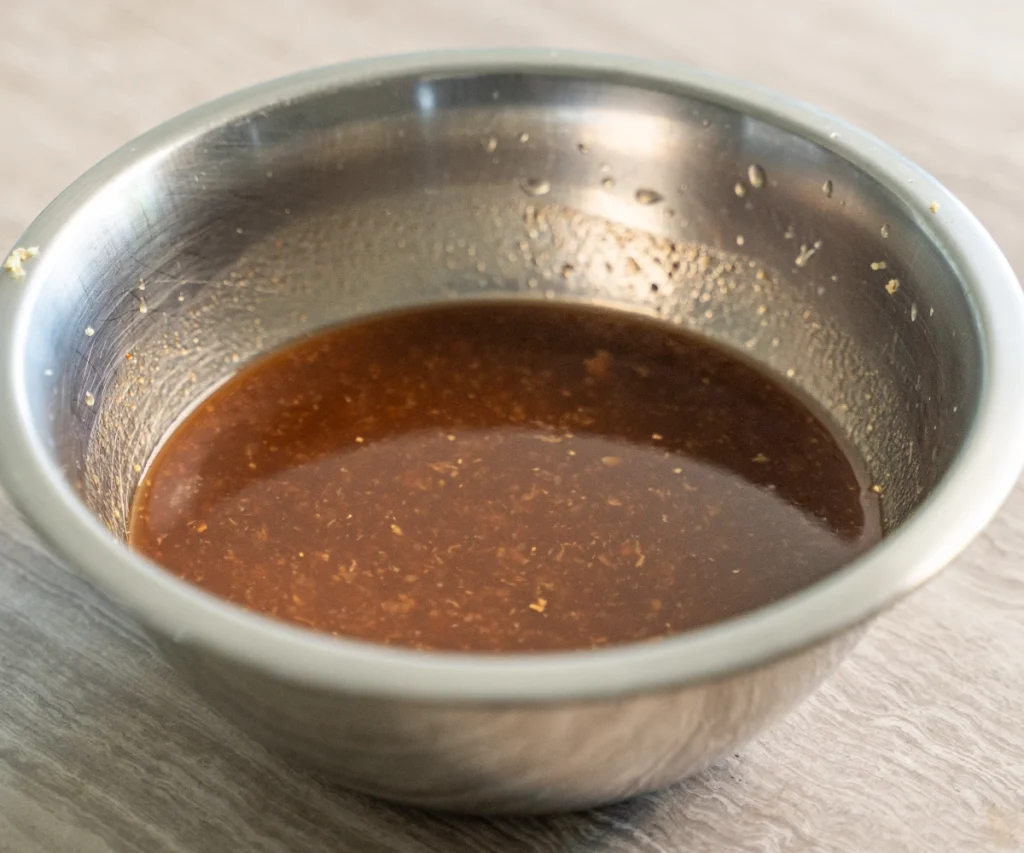
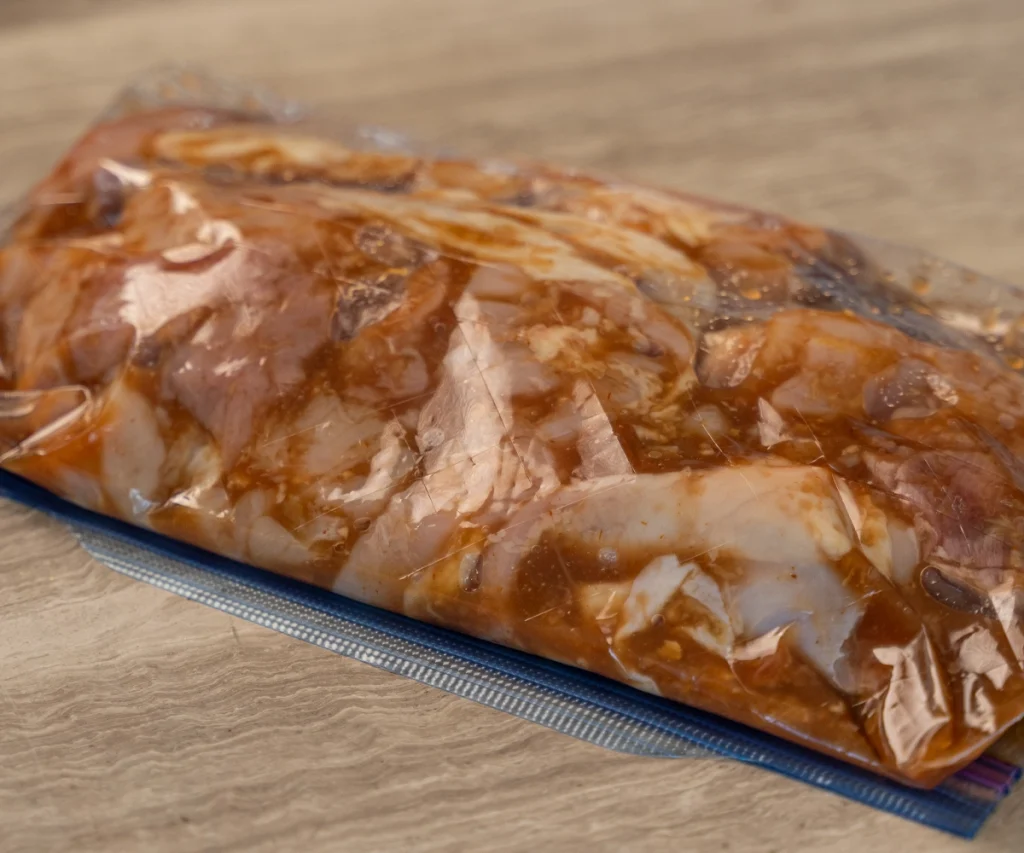
Marinate the chicken. Add the chicken thighs to a large Ziploc bag, pour in two-thirds of the marinade, reserving the remaining to glaze the chicken later. Press out the air, and seal. Refrigerate for at least 1 hour, and up to 8 hours.
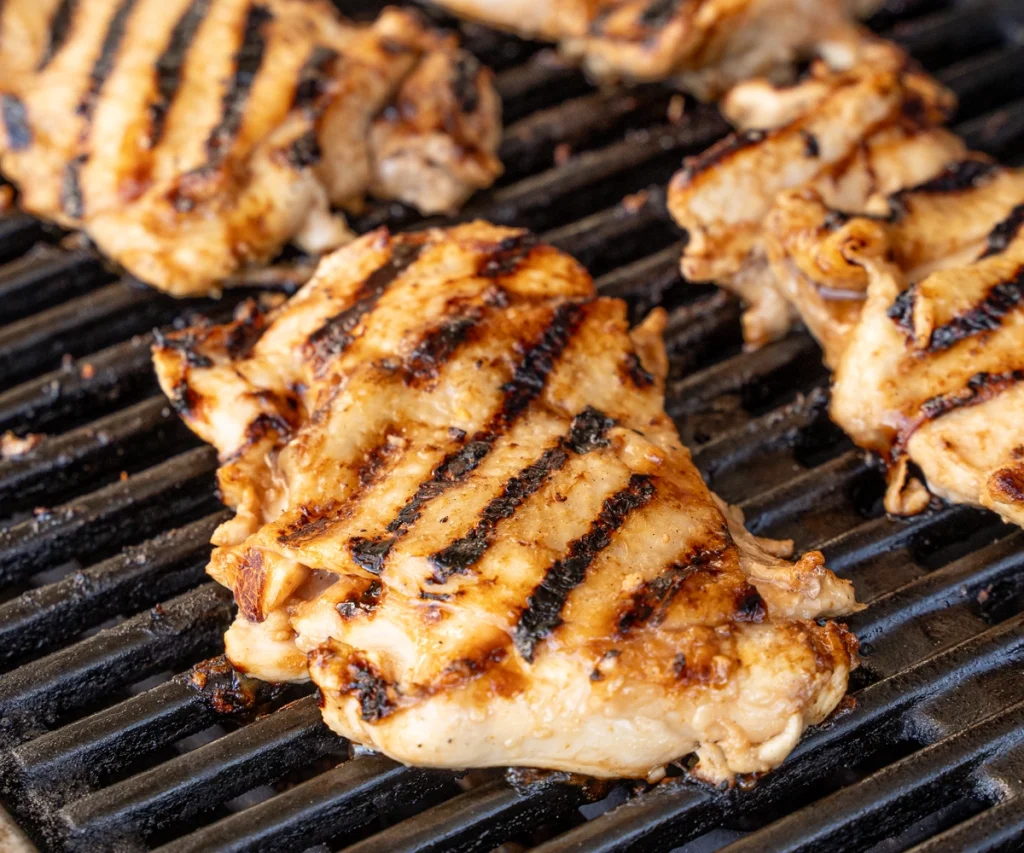
Fire up the grill. Heat your grill to medium, around 375F degrees, and oil the grates well so nothing sticks. Set the chicken skin side down first.
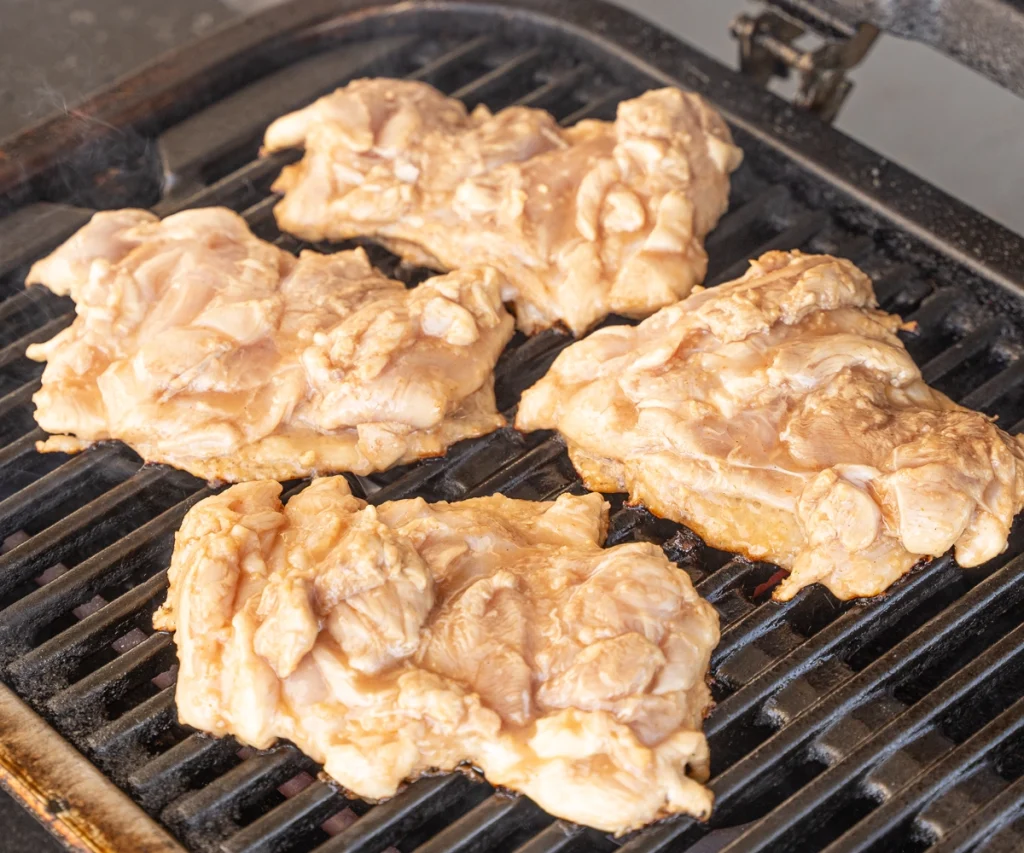
Huli, huli. Grill the thighs for about 10 to 14 minutes total, turning them every few minutes, so they cook evenly and build color without burning. In the last 3 to 4 minutes, start brushing on your reduced glaze, turning as you go, until the chicken is lacquered and sticky. Pull it when the internal temperature reads 175F degrees. Chicken thighs should be cooked to a slightly higher finish, where the meat’s connective tissue can break down, resulting in a juicier thigh.
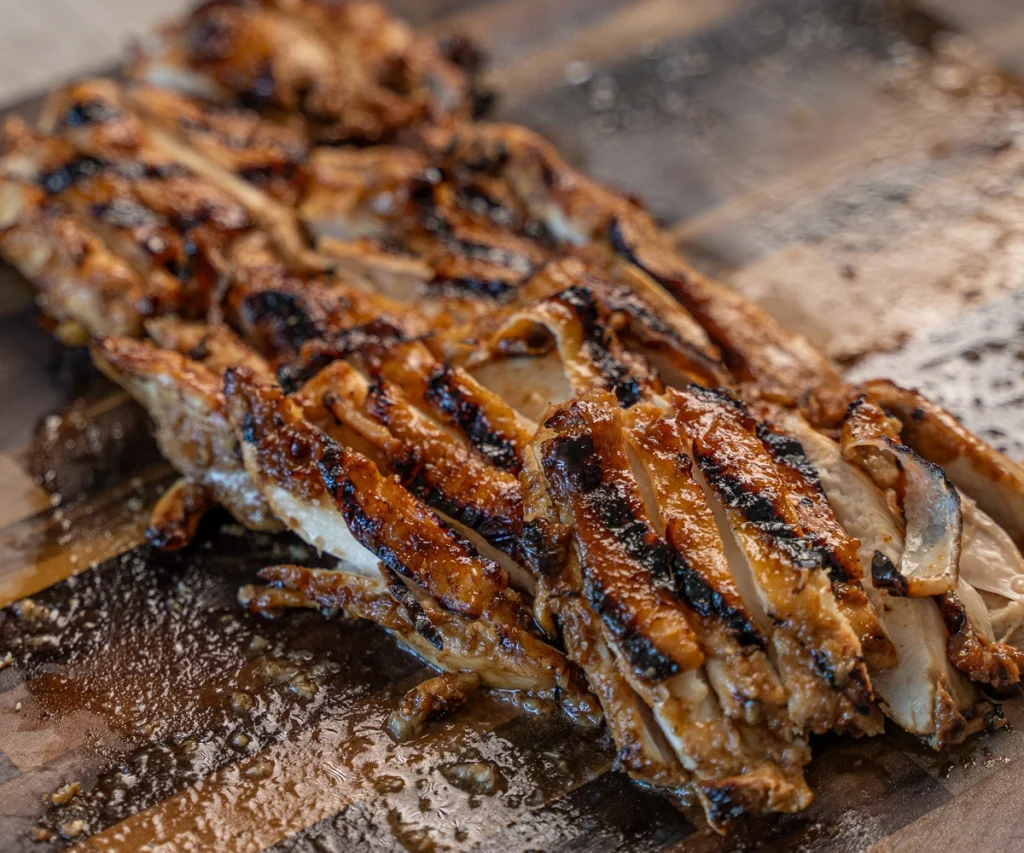
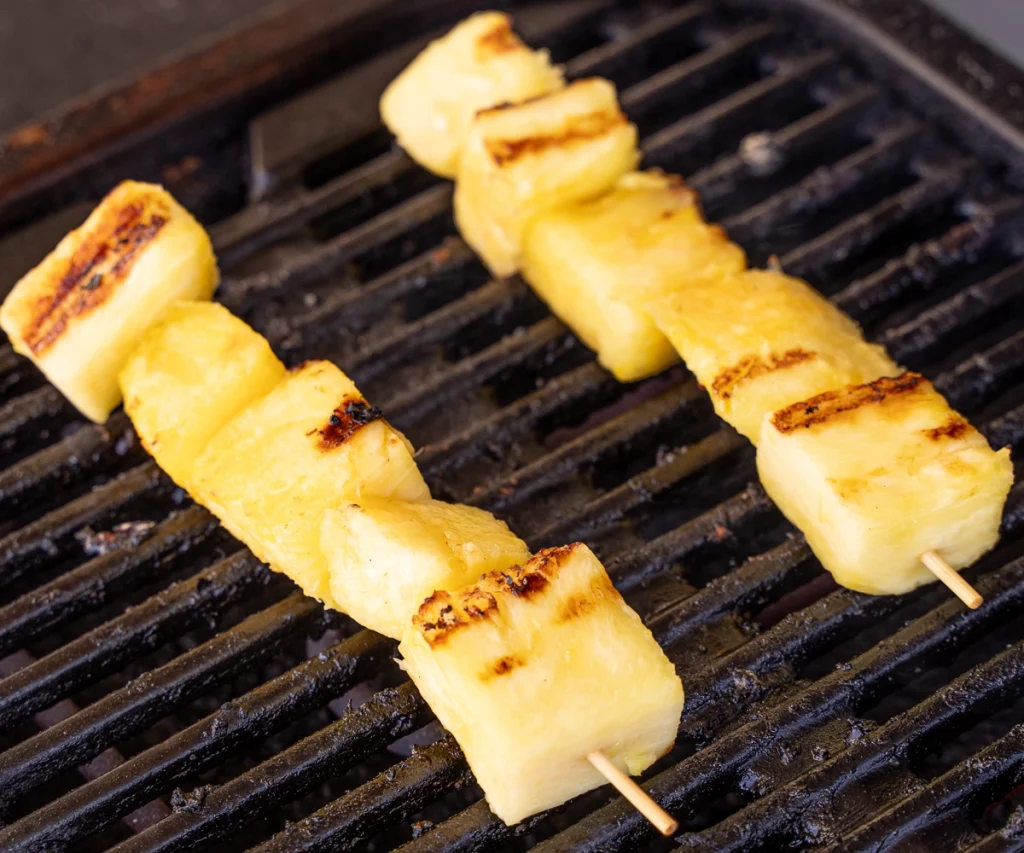
Rest, garnish, and serve. Let the chicken rest for 5 minutes so the juices settle. Cut into strips and pile everything over hot white rice. Garnish with chopped green onions and pair with grilled pineapples. Enjoy!
Oven and Stovetop Options
In the oven: Arrange the marinated thighs on a lined, rimmed baking sheet and roast at 425 degrees for about 25 to 30 minutes. Brush with your reduced glaze, then broil for 2 to 3 minutes to caramelize the top. Watch it closely under the broiler so the sugar does not burn.
On the stovetop: Sear the thighs in a hot grill pan or cast iron skillet over medium-high heat, turning often, then brush with glaze in the final minutes until sticky and cooked through.
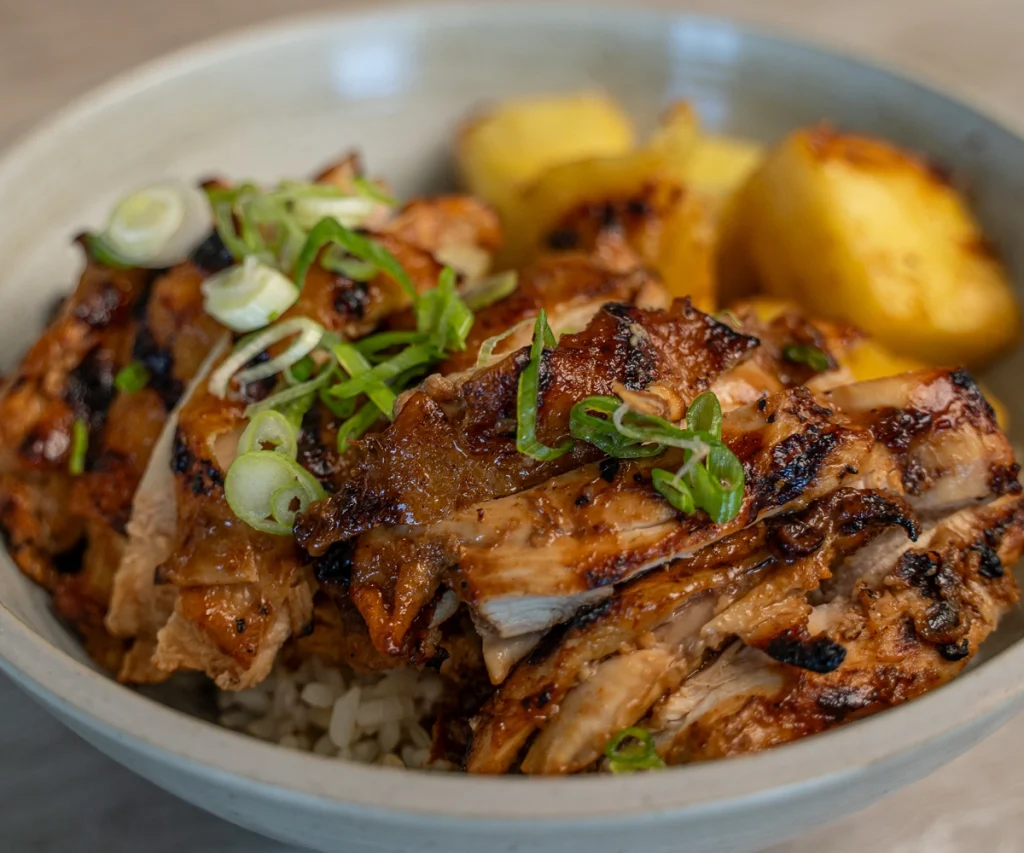
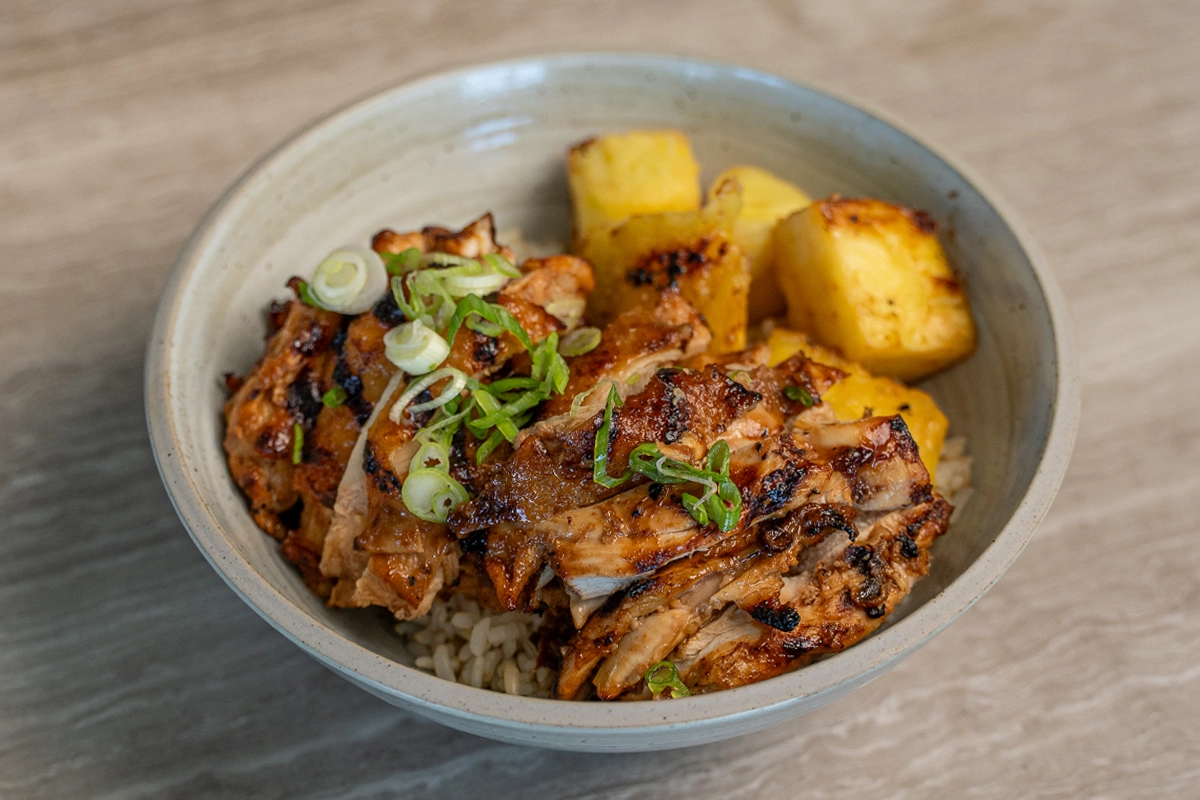
Huli Huli Chicken
4
servings1
hour10
minutes15
minutesIngredients
2 lbs 2 Skin-On, Boneless Chicken Thighs
- Marinade:
6 oz 6 Pineapple Juice
1/4 cup 1/4 Low Sodium Shoyu
1 tbsp 1 Minced Garlic
1 tbsp 1 Grated Ginger
2 tbsp 2 Ketchup
2 tbsp 2 Brown Sugar
2 tbsp 2 Rice Vinegar
1 tbsp 1 Oil
- Accompaniments and Garnishes:
White Rice
Grilled Pineapple Chunks
Green Onions
Directions
- Whisk together the pineapple juice, shoyu, garlic, ginger, ketchup, brown sugar, rice vinegar, and oil until the sugar dissolves and everything looks smooth
- Add the chicken thighs to a large Ziploc bag, pour in two-thirds of the marinade, and reserve the rest to glaze later. Press out the air, seal, and refrigerate for at least 1 hour and up to 8 hours
- Heat the grill to medium, around 375F degrees, and oil the grates. Set the chicken skin side down first
- Grill the chicken 10 to 14 minutes total, turning every few minutes. Brush with the glaze in the last 3 to 4 minutes, until lacquered and sticky and the internal temperature reads 175F degrees
- Rest for 5 minutes. Cut the huli huli chicken into strips and pile over hot white rice. Garnish with chopped green onions and pair with grilled pineapple chunks. Enjoy!
Did you make this recipe?
Tag @feedthepudge on Instagram and hashtag it with #feedthepudge
If you like this recipe, make sure you pin it!
Frequently Asked Questions
What does huli huli mean? Huli means “turn” in Hawaiian. The name comes from repeatedly turning the chicken over the grill as it cooks and caramelizes.
Is huli huli the same as teriyaki? They are cousins, not twins. Both are sweet, savory, and glossy, but teriyaki is a Japanese sauce built on soy, sugar, and rice wine. Huli huli leans on pineapple juice, vinegar, and ketchup for its bright, tropical character.
Can I use chicken breasts instead of thighs? You can, though thighs stay juicier and are more traditional. If you use breasts, butterfly them so they cook fast and soak up more marinade.
Can I make huli huli chicken in the oven? Absolutely. Roast the marinated thighs at 425 degrees for about 25 to 30 minutes, then broil briefly with the glaze to caramelize the top.
Can I use fresh pineapple juice? Skip it. Fresh juice contains bromelain, an enzyme that breaks down the chicken and leaves it mushy. Canned or bottled juice gives you the flavor without ruining the texture.
How do I store leftovers? Keep cooked chicken in an airtight container in the fridge for up to 4 days. You can also freeze the raw chicken right in its marinade for up to 2 months, then thaw fully overnight before grilling.

