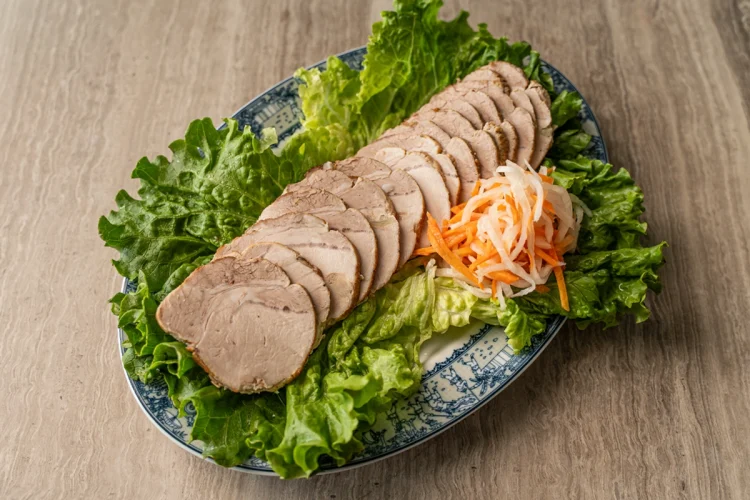
I recently came across the oldest Vietnamese cookbook published in America, Vietnamese Cookery, by Jill Nhu Huong Miller. Vietnamese Cookery was published in 1968 and features a collection of Vietnamese recipes that Jill grew up eating, with slight adaptations to ingredients based on her new home in Honolulu. The first recipe that caught my eye was Jill’s Pot Roast Pork, and in the text, she mentioned that “every well-equipped refrigerator should have a chunk of this inside for all sorts of emergencies.” So today, we are making her Vietnamese pot roast pork, also written as thit heo kho, straight out of the pages of Vietnamese Cookery. I cooked this recipe exactly as Jill wrote it, then added some additional details and context she left out so you can nail it on your very first try.
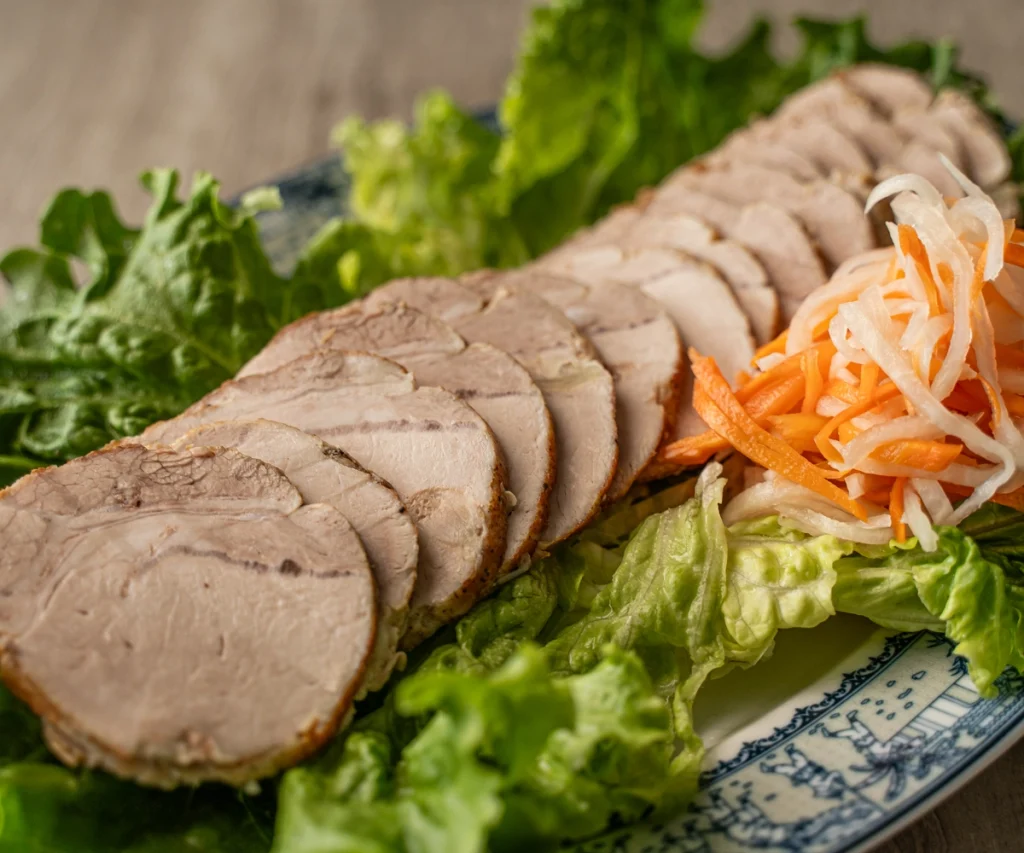
The First Vietnamese Cookbook Published in America
Before we get to the pork, you deserve to know why this recipe matters. Vietnamese Cookery by Jill Nhu Huong Miller was published in 1968 and holds a remarkable place in food history as the first Vietnamese cookbook published in America. Think about that for a second. An entire cuisine, and this slim spiral-bound recipe book was the front door for English-speaking home cooks who wanted to understand it.
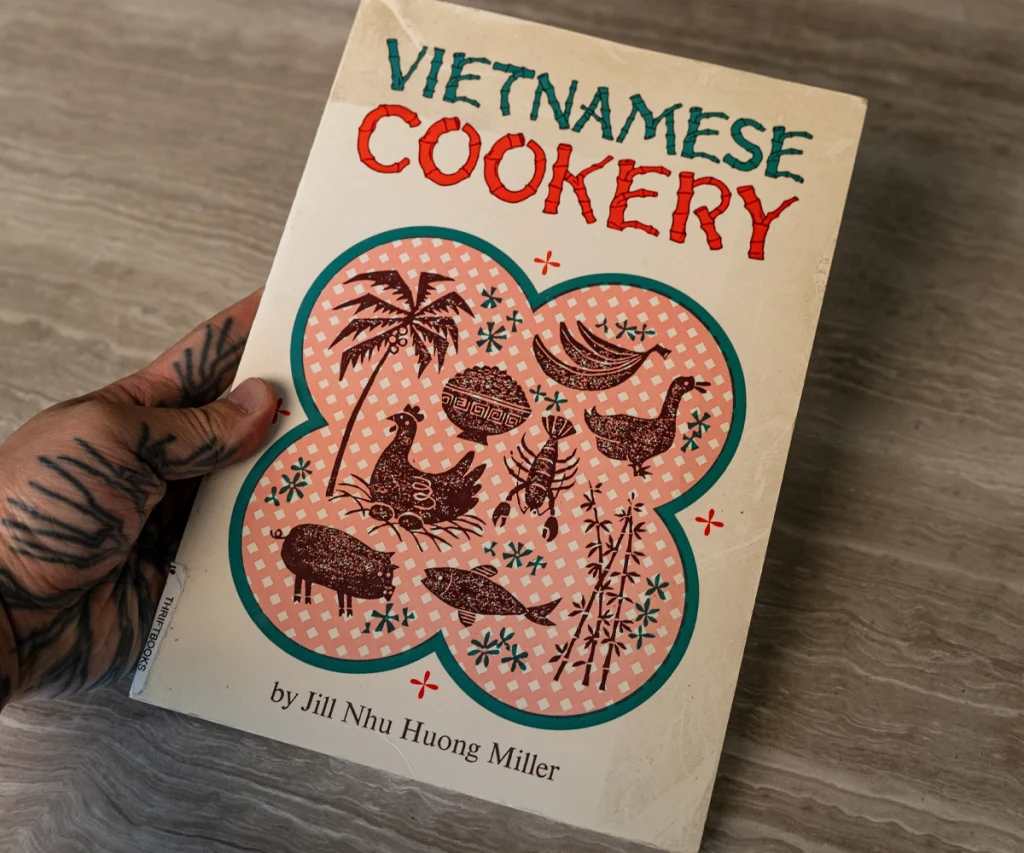
Jill filled the book with the homestyle dishes she grew up eating, the everyday food of a Vietnamese kitchen rather than restaurant showpieces. She wrote it after she immigrated to Honolulu, where she worked as a language instructor for the armed forces, so a gentle Hawaiian lens colors the pages here and there. You feel it in the ingredient swaps and the easy, welcoming way she talks to readers who may have never tasted fish sauce before.
The small detail that really gets me is that the book was published in 1968, a full seven years before the fall of Saigon and the large wave of refugees who would reshape Vietnamese food in America through the late 1970s and beyond. That timing makes Vietnamese Cookery a rare early record. When you cook from it, you get a snapshot of how Vietnamese home cooking first crossed the Pacific and settled into American kitchens, written by one of the very first people to document it.
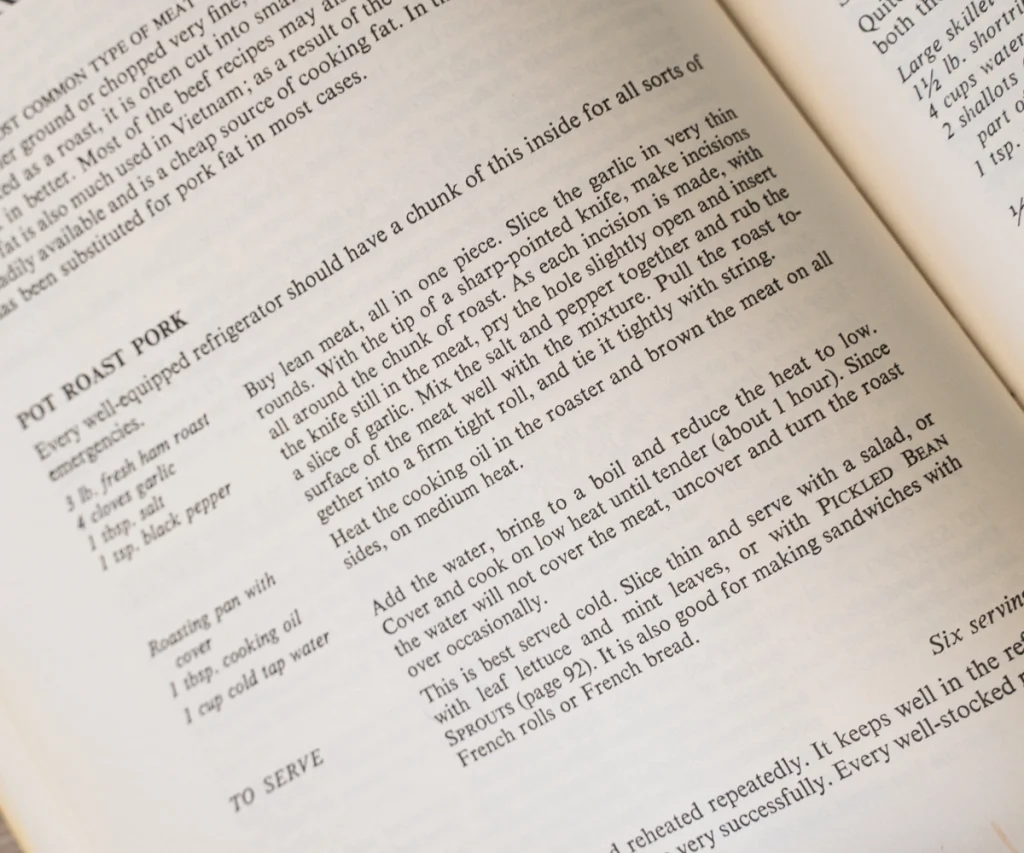
That’s exactly why I wanted to cook through Jill’s recipes as she wrote them, word for word, before adding any additional context. I wanted to taste that history honestly. Her pot roast pork is one of the best places to start because it shows how simple and approachable Vietnamese cooking can be.
This Is Not Pot Roast the Way You Know It
Read the words “pot roast,” and your brain probably jumps to a fork-tender American Sunday dinner, the kind you eat hot with mashed potatoes and gravy. Set that picture aside completely, because Jill’s version plays by different rules.
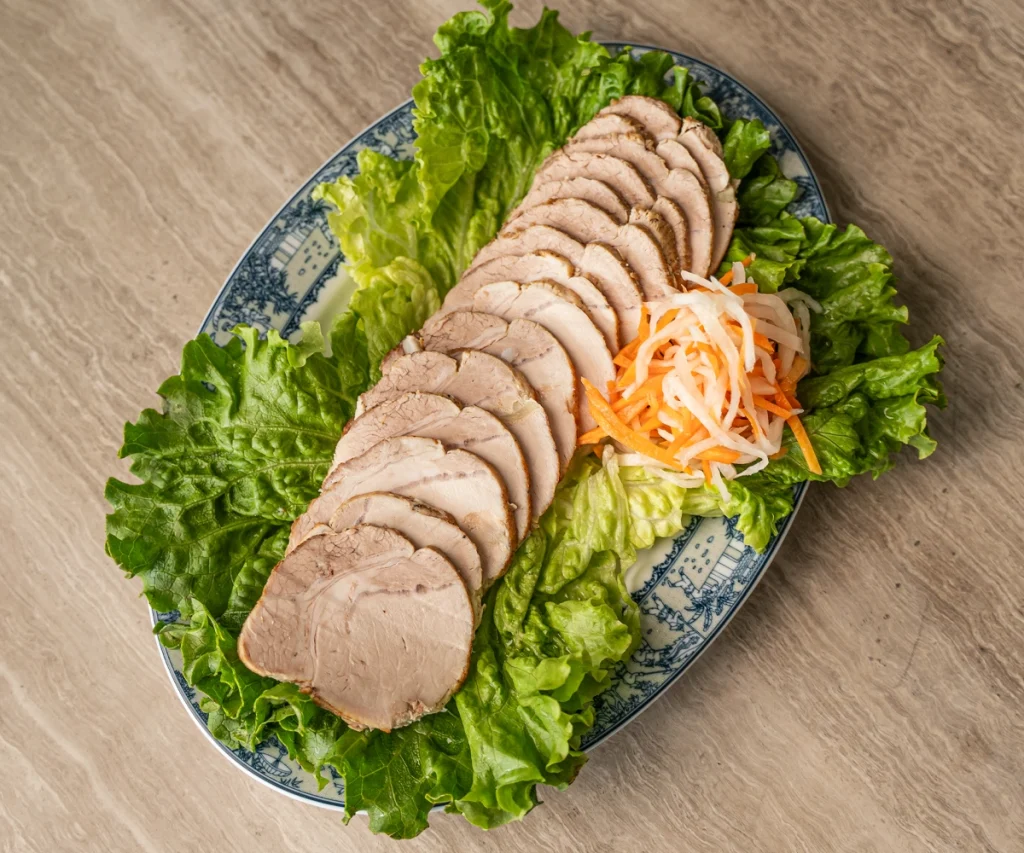
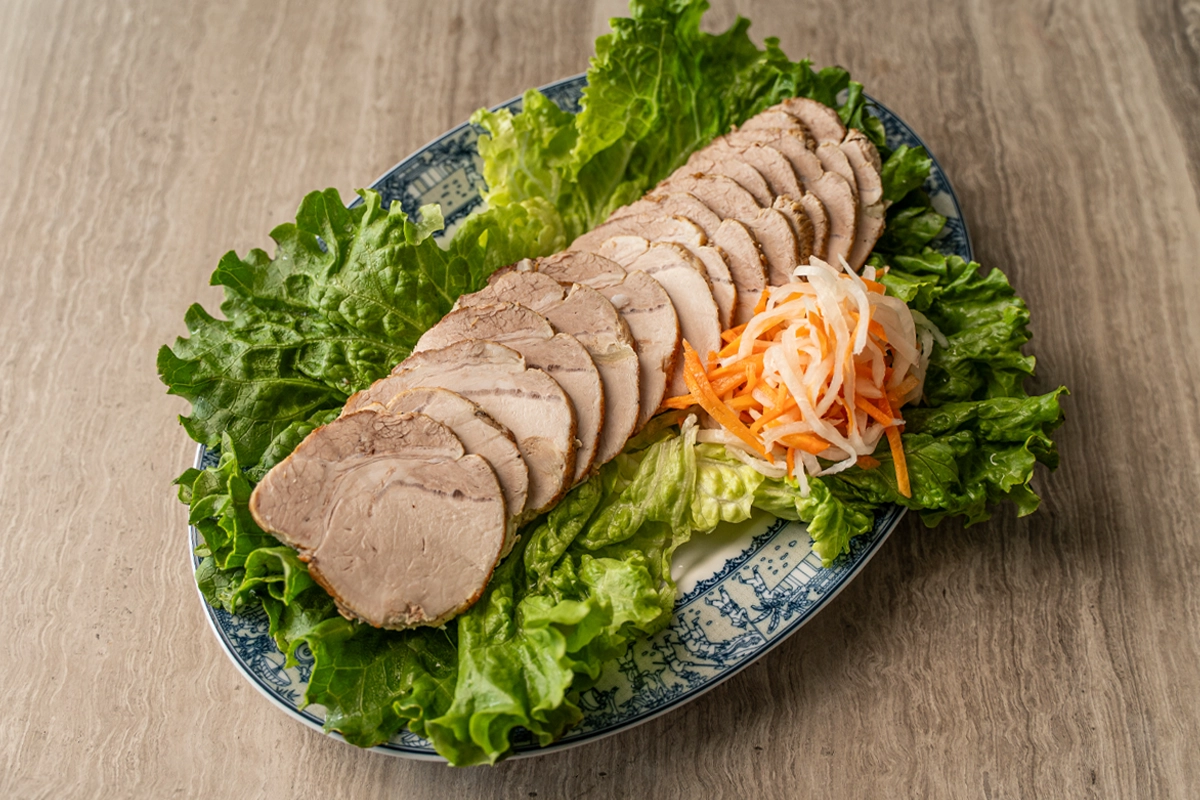
You “roast” this pork in water, then you cool it, chill it, and slice it thin to serve cold. It is closer to a Vietnamese cold cut than to anything in a slow cooker recipe roundup. If you have ever pulled apart a banh mi and found those cool ribbons of savory sweet pork tucked among the pickles and herbs, you already know this flavor. It is the same spirit as the sliced pork you find rolled into fresh spring rolls.
How to Make Vietnamese Pot Roast Pork, Step by Step
Jill’s original instructions run short and confident, the way cookbooks did in 1968. I kept her method fully intact, exactly how she wrote it, but simply added the small details I wish someone had told me the first time.
Stud the roast with garlic
Slice the four cloves of garlic into thin rounds. Using the tip of a sharp, pointed knife, make small incisions all around the chunk of roast. As you make each cut, keep the knife in place, pry the opening slightly, and slide a slice of garlic into the pocket. Work your way over the whole roast until the garlic tucks into the pork.
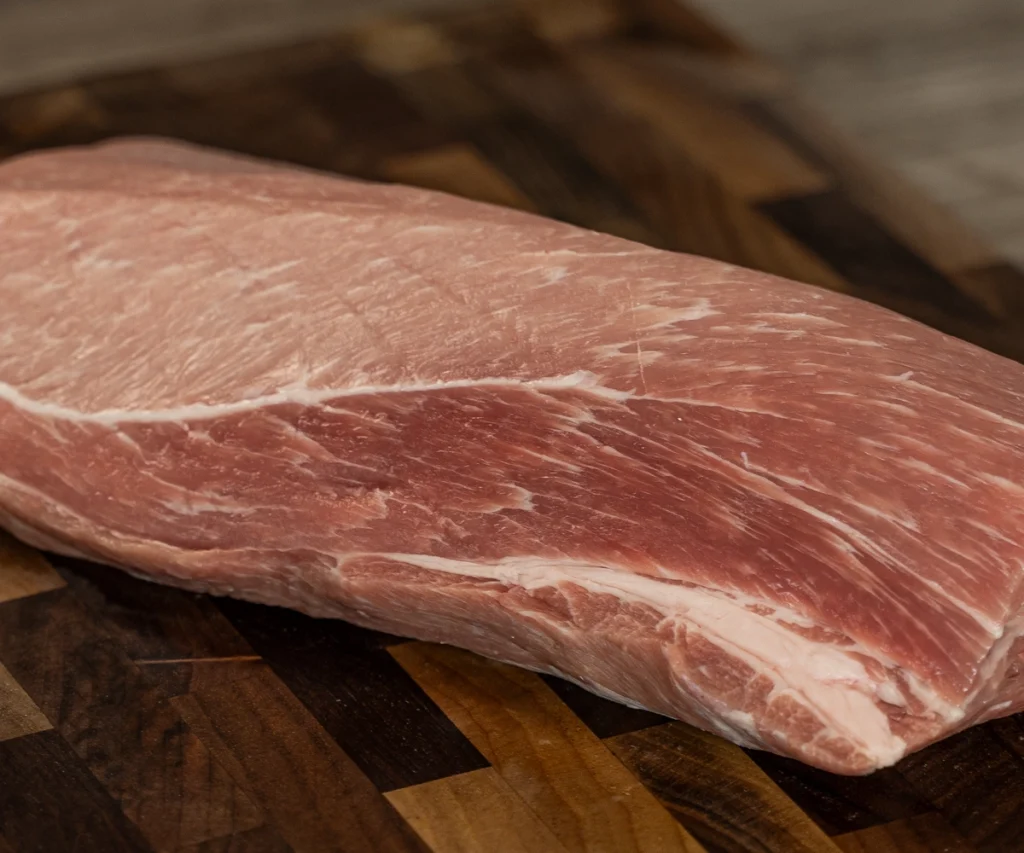
Season the pork roast
Mix the 1 tablespoon of salt with the 1 teaspoon of black pepper. Rub this mixture firmly and evenly over the entire surface of the meat. Take your time here and coat every side. This simple cure is the whole flavor base, so give it the attention it deserves and make sure it’s evenly coated.
Roll and tie
Pull the roast together into a firm, tight roll and tie it snugly with kitchen string at even intervals. A compact, evenly shaped roast cooks at a steady rate and, more importantly, gives you those clean, round slices once it chills.

Brown the pork on all sides
Heat the 1 tablespoon of cooking oil in a heavy roaster or Dutch oven over medium heat. Lay it in and brown it on all sides, turning with tongs, until every surface takes on a deep golden color

Add water and braise low
Pour in the 1 cup of cold tap water and bring it to a boil, then reduce the heat to low. Cover and cook gently until the pork is tender, about 1 hour for fresh ham. The water will not cover the meat, so uncover and turn the roast over every 15 to 20 minutes. This keeps it cooking evenly and lets both ends spend time in the simmering liquid. The modern detail here is that by using an instant-read thermometer, you can ensure that the pork is cooked properly. A minimum safe internal temp of 145F is what you should aim for, and the residual heat will do the rest.
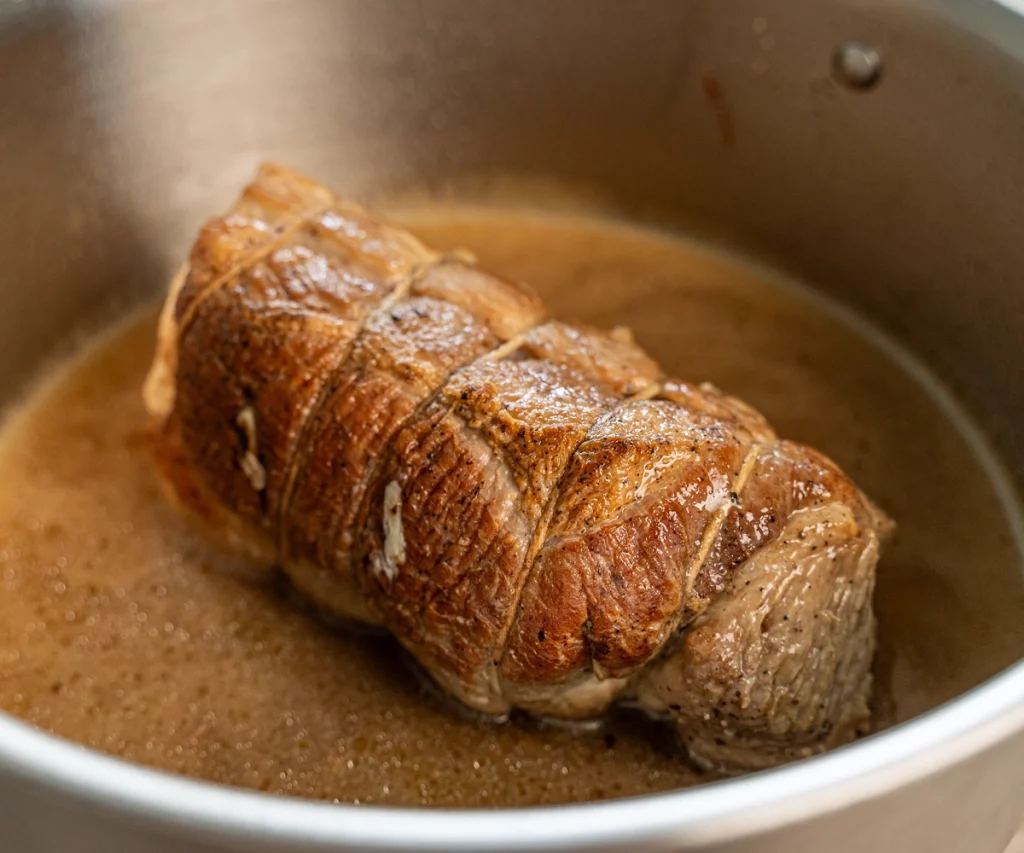
Cool completely, then chill
Lift the roast onto a cutting board and let it rest until it reaches room temperature. Then wrap it in plastic wrap and chill it in the fridge for at least 2 hours, ideally overnight. I know the wait is hard, but this is the secret to gorgeous slices. Cold pork cuts clean and thin. Warm pork tears and crumbles.

Slice thin and serve cold
Snip away the string. With a sharp knife, slice the chilled pork against the grain as thinly as you can manage. Fan the slices onto a plate and serve them cold or at room temperature, exactly the way Jill promised.
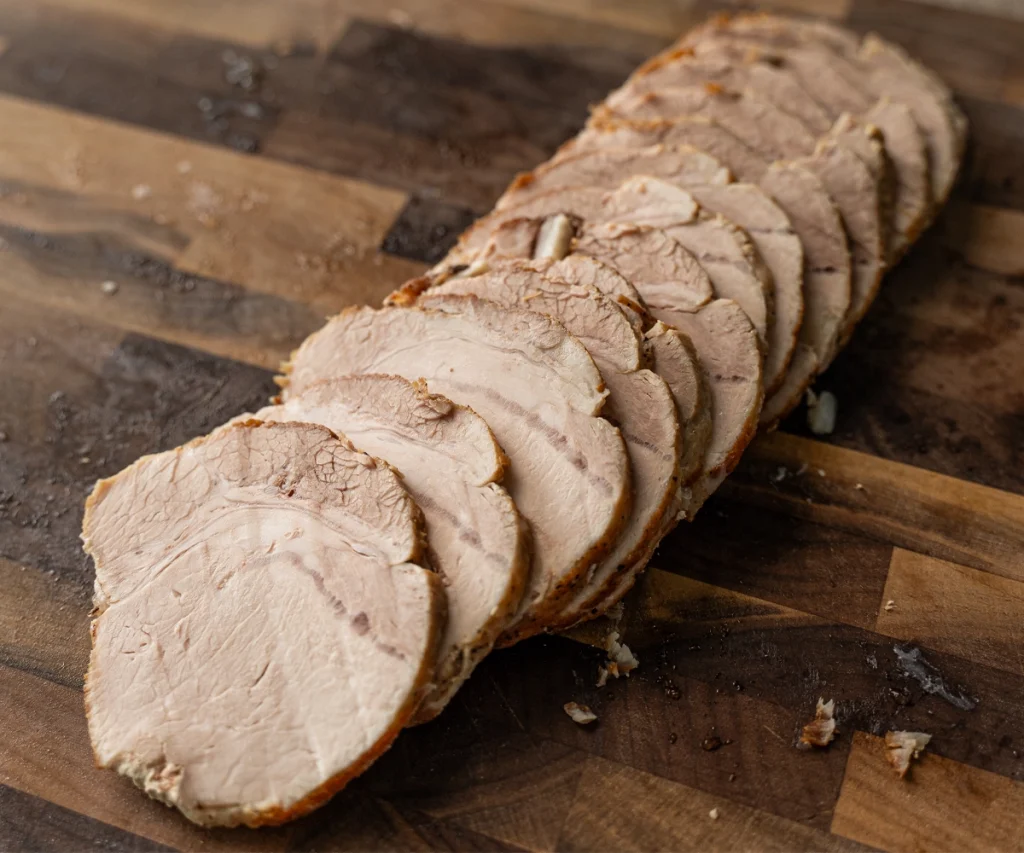
How to Serve Your Pot Roast Pork
- With lettuce and mint. Jill’s own suggestion, and still my favorite. Tuck a slice of pork into a leaf of soft lettuce with fresh mint and roll it up.
- Banh mi and French bread. Layer the cold slices into a crackly baguette or French roll with pickled carrots, cucumber, cilantro, and a swipe of mayo.
- Alongside a salad. Serve the slices next to a bright, herby salad for a light and elegant plate.
- Rice plates. Fan slices over warm jasmine rice with quick pickles and a fried egg.
Vietnamese Cookery’s Pot Roast Pork / Thit Heo Kho
6
servings2
hours1
hourIngredients
3 pounds 3 Fresh Ham Roast (or Pork Shoulder or Pork Loin)
4 cloves 4 Garlic
1 tablespoon 1 Salt
1 teaspoon 1 Black Pepper
1 tablespoon 1 Cooking Oil
1 cup 1 Cold Tap Water
Directions
- Slice the garlic into thin rounds. Using the tip of a sharp, pointed knife, make incisions all around the roast. As you make each cut, keep the knife in place, pry the hole open slightly, and slide in a slice of garlic
- Mix the salt and pepper together and rub the mixture well over the entire surface of the meat
- Pull the roast into a firm, tight roll and tie it tightly with string
- Heat the cooking oil in the roaster over medium heat. Pat the roast dry, then brown it on all sides
- Add the water and bring it to a boil, then reduce the heat to low. Cover and cook until tender, about 1 hour. Since the water will not cover the meat, uncover and turn the roast over occasionally
- Move the pork to a board, cool it to room temperature, then chill it for at least 2 hours or overnight
- Serve:
- Slice thin against the grain and serve cold, with leaf lettuce and mint, alongside a salad, or piled into French bread
Did you make this recipe?
Tag @feedthepudge on Instagram and hashtag it with #feedthepudge
If you like this recipe, make sure you pin it!
How to Store It
Jill promised this pork keeps well, and she was not exaggerating. Store the sliced or whole roast wrapped tightly or in an airtight container, and it holds beautifully in the fridge for about 5 days.
For longer storage, wrap the pork tightly and freeze it for up to 3 months. Thaw it overnight in the fridge, and it slices just as cleanly as the day you made it.
Frequently Asked Questions
Why do you serve this pork cold?
Cold is the point. Chilling firms up the roast so you can slice it thin and clean, and it lets the garlic, salt, and pepper settle into the meat. Those cool, savory slices are exactly what make this pork perfect for lettuce wraps and banh mi.
Do I really need to tie the roast?
Yes, and it takes only a minute. Tying pulls the meat into a compact, even shape so it cooks at a steady rate and, once chilled, gives you those clean round slices. An untied roast cooks unevenly and slices raggedly.
What is the best cut of pork for this recipe?
Fresh ham is Jill’s traditional choice and slices cleanly. Pork shoulder gives you the most tender, richest result. Pork loin gives you the leanest, most uniform slices. Any of the three works beautifully, so choose based on the texture you want.

