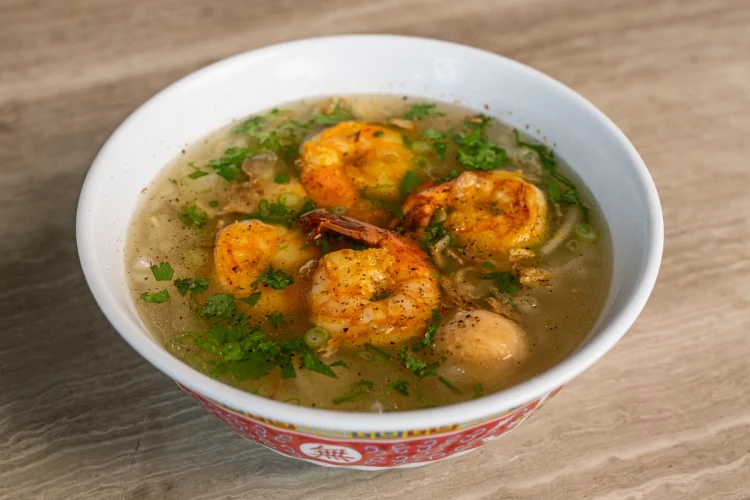
We might be at the start of summer, but in my home, it’s soup season all year long, baby. So even when Seattle climbs into the high 80s, a steaming hot bowl of soup still gets me every single time. Today we’re making banh canh tom, a Vietnamese noodle soup centered around thick, chewy tapioca noodles, and plump, seasoned shrimp swimming in a light pork broth. This one comes together with surprising ease, it tastes absolutely incredible, and honestly, I could eat it every day of the week, for breakfast, lunch, or dinner. Every bite takes me right back to my childhood and reminds me exactly where I come from.
What Is Banh Canh Tom?
Banh canh tom is a Vietnamese noodle soup made with thick and chewy noodles and shrimp, all in a savory pork bone broth. The name tells you everything you need to know. Banh refers to the noodle itself, canh means soup, and tom means shrimp. Put them together, and you get a hearty bowl of shrimp noodle soup that tastes like your mom giving you the biggest hug.
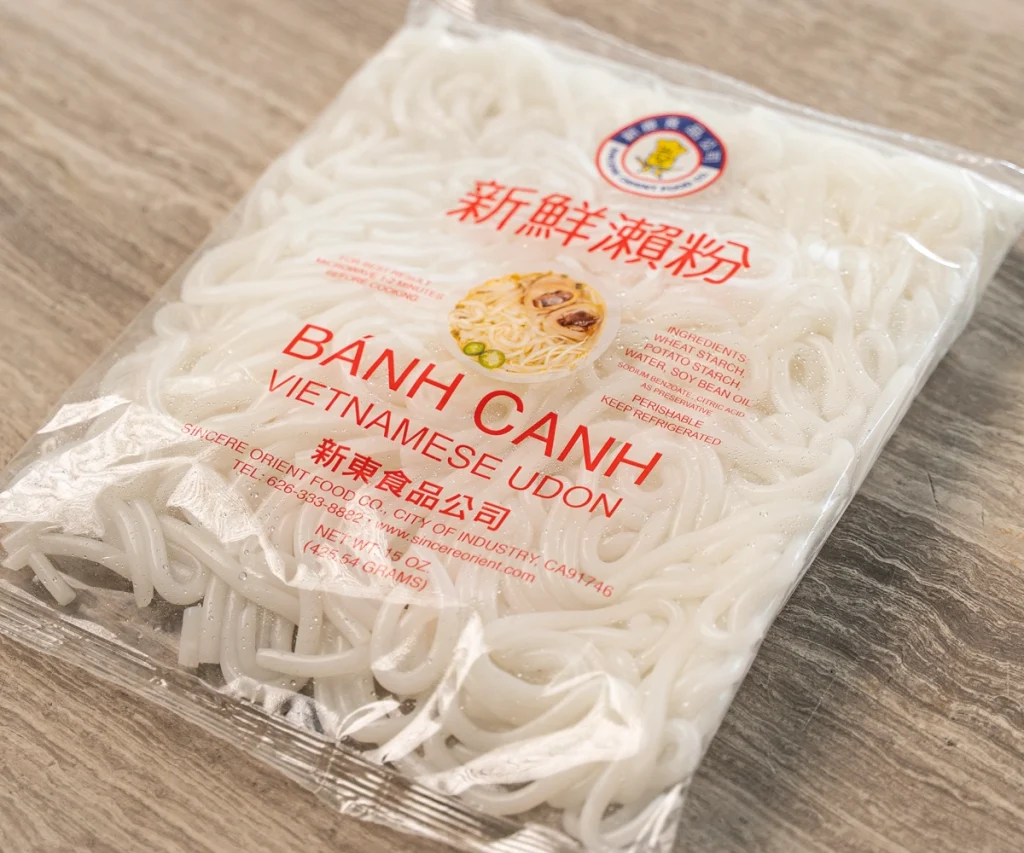
The noodles are the defining characteristic of this soup. Banh canh noodles are made from a blend of rice flour and tapioca starch, which gives them that signature chew and a slightly translucent, slippery bite. People often compare them to Japanese udon, and that comparison helps when describing the texture, though banh canh is chewier and a touch bouncier. Cooking the noodles in the soup releases some of its starches, giving the soup a thicker texture as well.
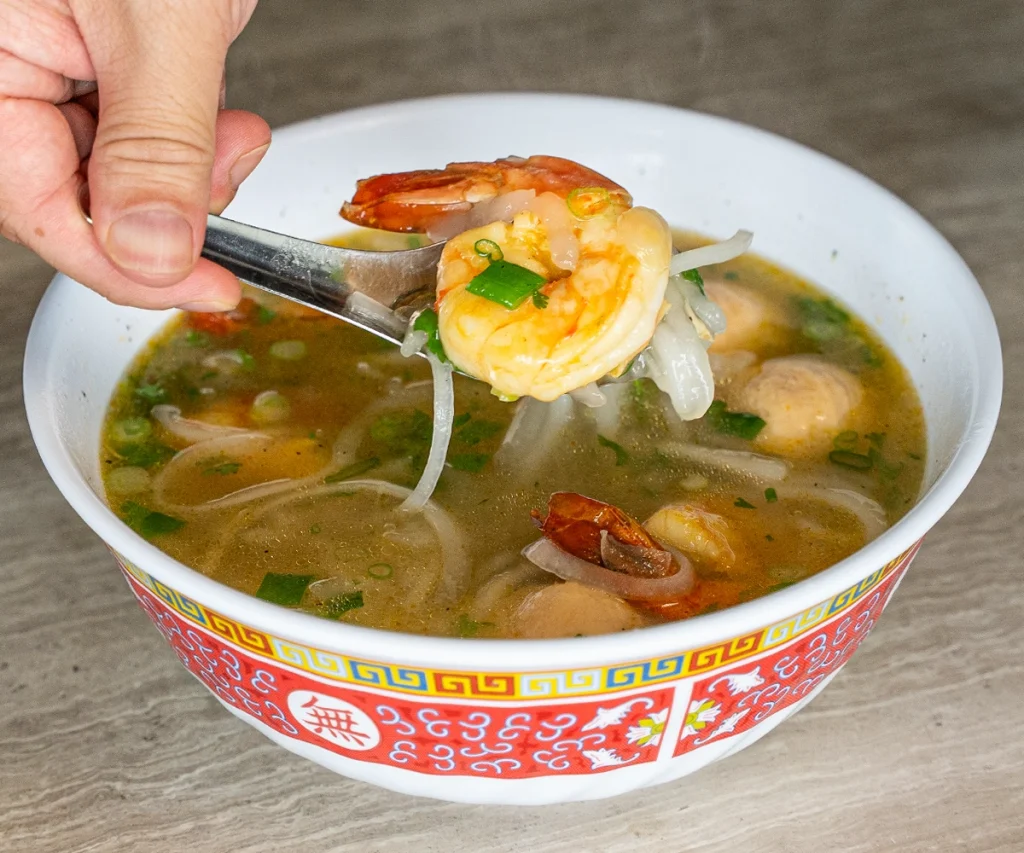
If you’ve eaten banh canh cua, the orange, thickened crab version, you already know one cousin of this dish, and the two recipes share a lot of similarities, but this one is shrimp-forward and a bit easier to make. The broth stays bright and deeply savory rather than thick, and the annatto oil is added to the shrimp to give them a gorgeous, warm color and a subtle richness. It’s the version I grew up loving, and it is the one I make when I want comfort without a marathon in the kitchen.
Why You’ll Love This Banh Canh Tom Recipe
- The broth does the heavy lifting. Pork bones, dried shrimp, and sweet aromatics simmer into a stock so rich, while staying incredibly light, that you’ll want to drink it straight from the ladle.
- It comes together faster than you think. Most of the time is hands-off while the broth simmers away.
- It feeds a crowd. This pot yields six to eight generous bowls, making it perfect for family dinners and gatherings, and it’s really easy to scale with a bigger pot if you’re feeding a crowd.
- It tastes like home. Whether or not you grew up with Vietnamese food, this bowl delivers the kind of cozy, soul-warming flavor that everyone recognizes.
How to Make Banh Canh Tom
Parboil and Clean the Pork Bones
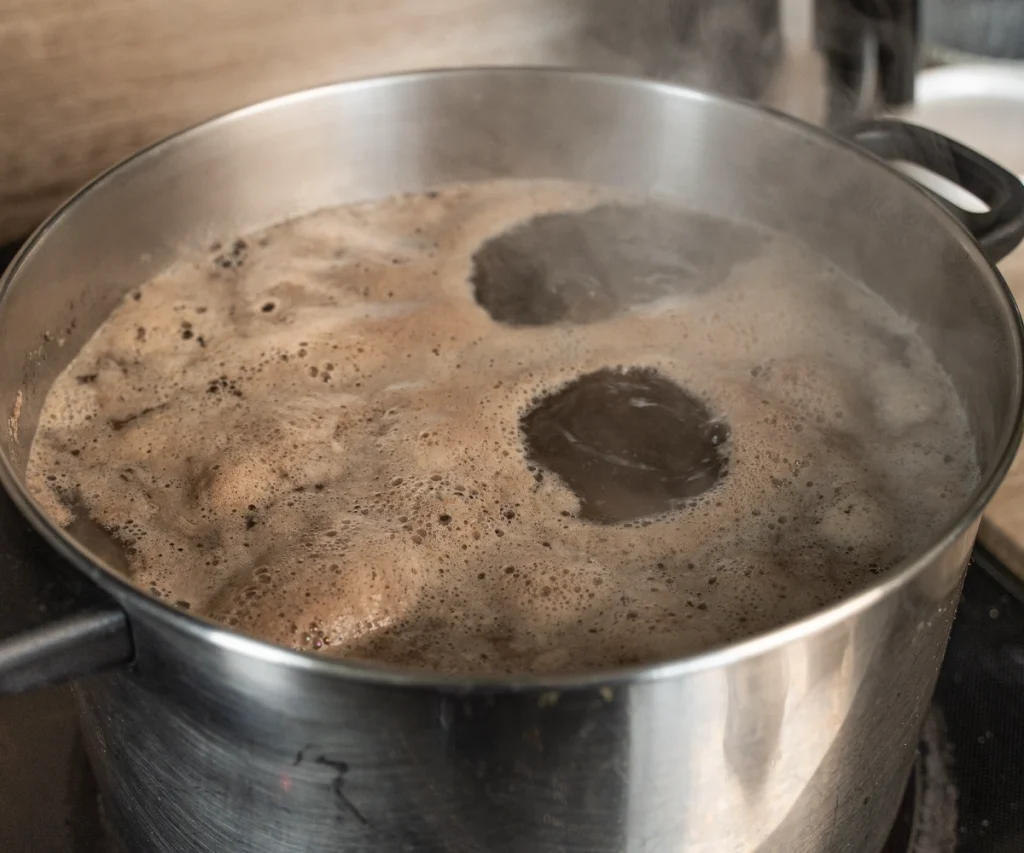
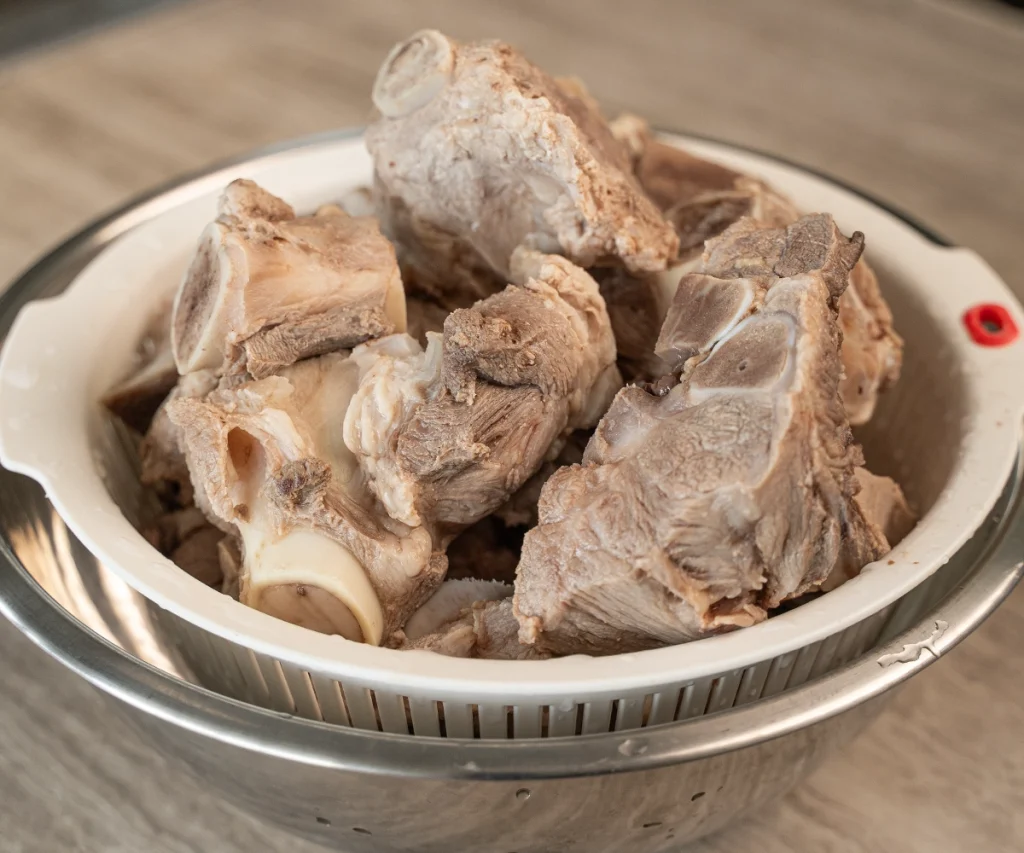
Place the pork bones in a large pot, cover them with cold water, and bring everything to a rolling boil. Let the bones boil hard for about five minutes. You’ll see foam and gray scum rise to the surface, and that is exactly what we want out of the pot. Drain the bones, rinse them under cold running water, and scrub away any clinging bits. Wash the pot too. The hallmark of a great Vietnamese soup is a light, clean broth, so make sure you don’t skip this crucial first step.
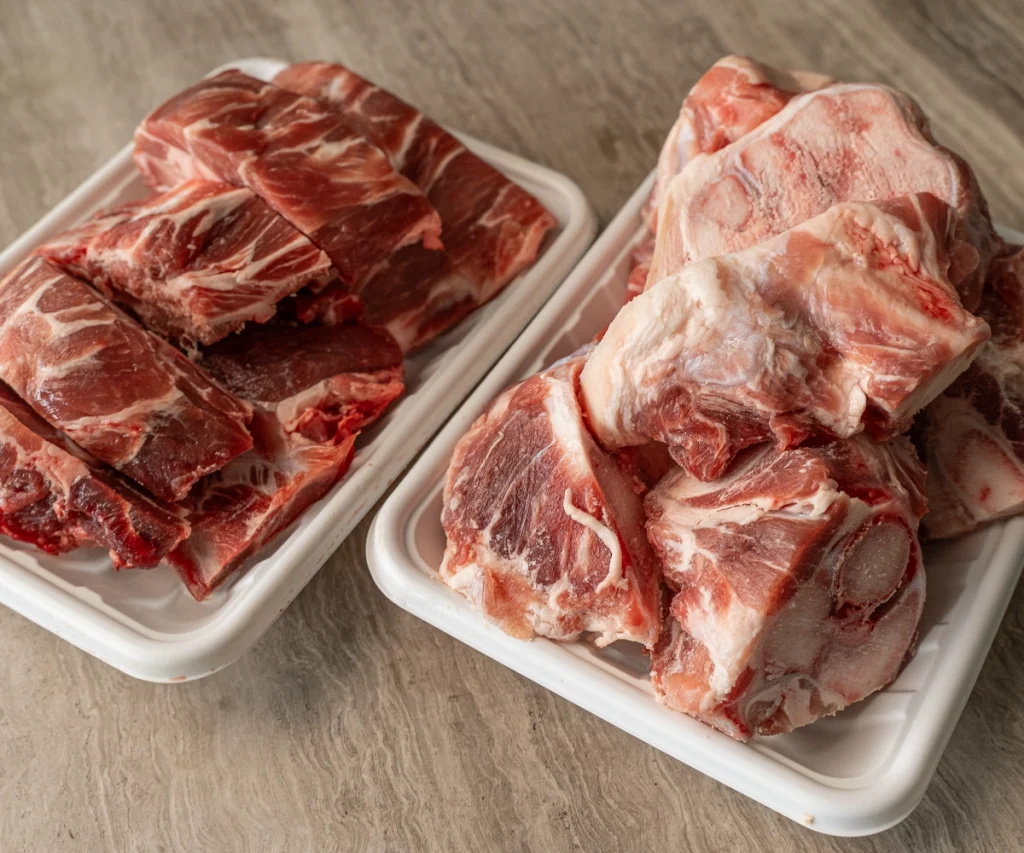
Pro Tip: Reach for a mix of pork bones if you can, because the marrow brings body, the knuckle brings collagen, and the neck bones bring deep, meaty flavor.
Build the Broth
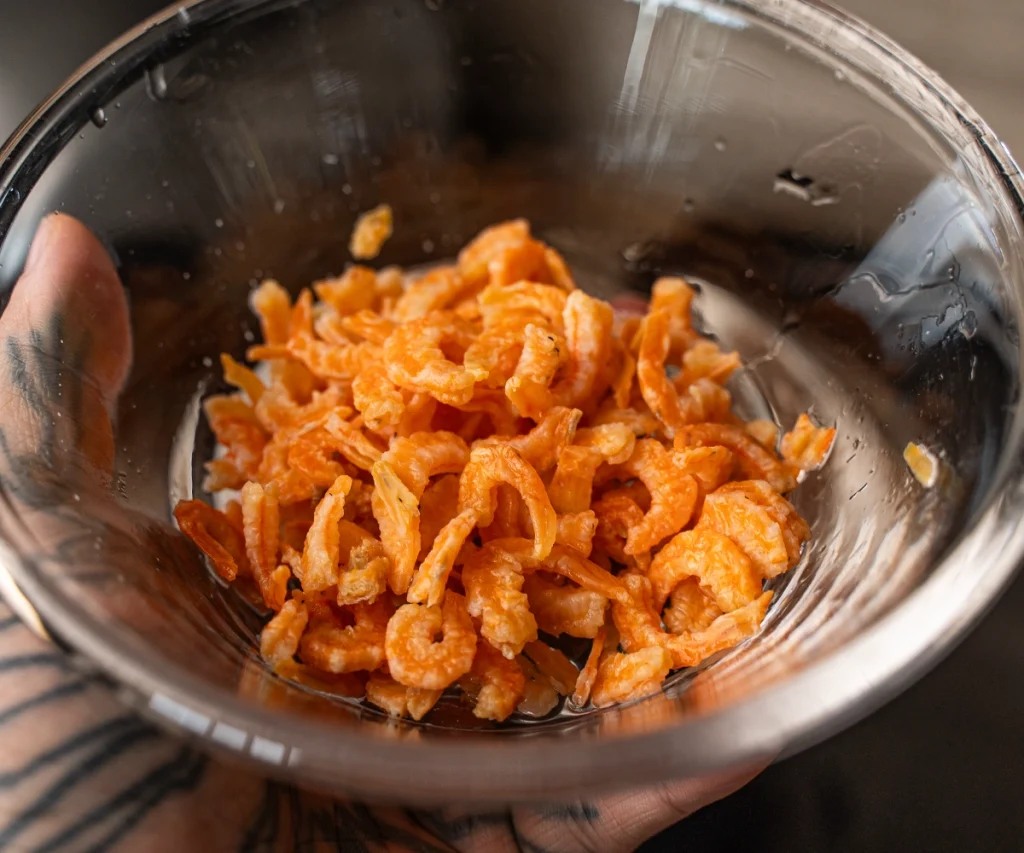
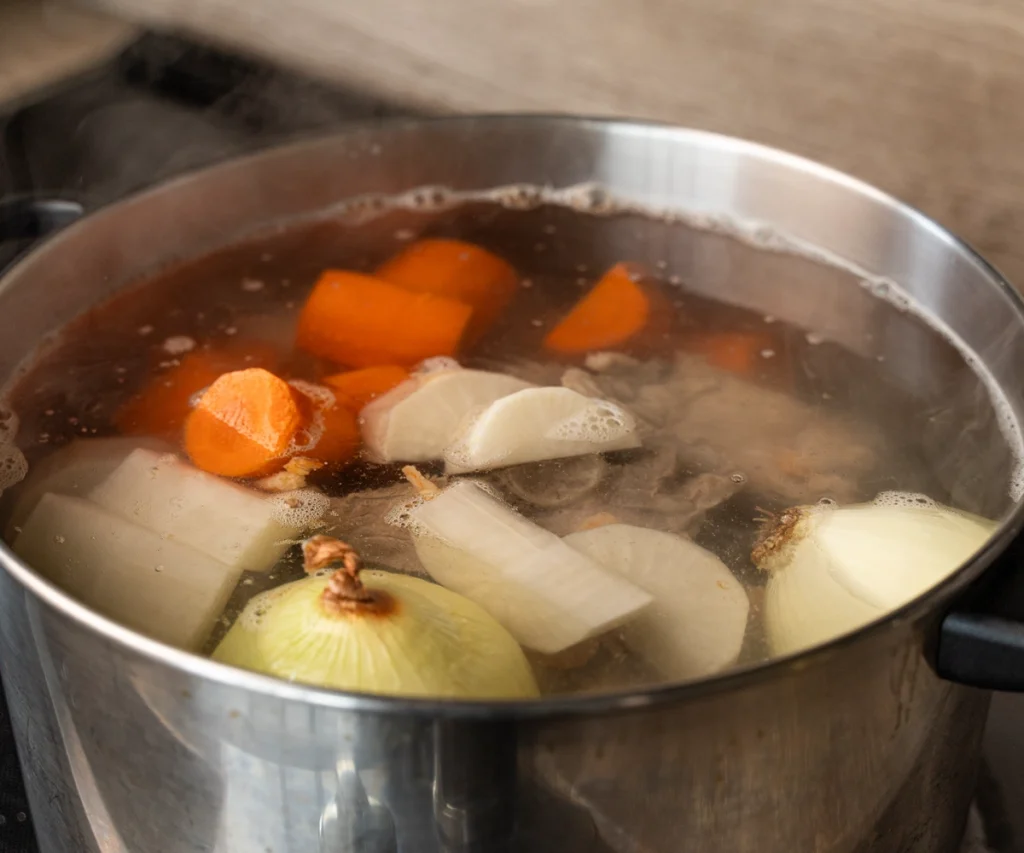
To the clean pot, add water and bring it to a boil. Add in the cleaned pork bones and rehydrated dried shrimp. Add the onion, carrots, and daikon. Let everything simmer low and slow for about two hours, skimming the surface now and then to keep the broth clear. Resist the urge to crank the heat. A patient simmer keeps the broth clear rather than cloudy.
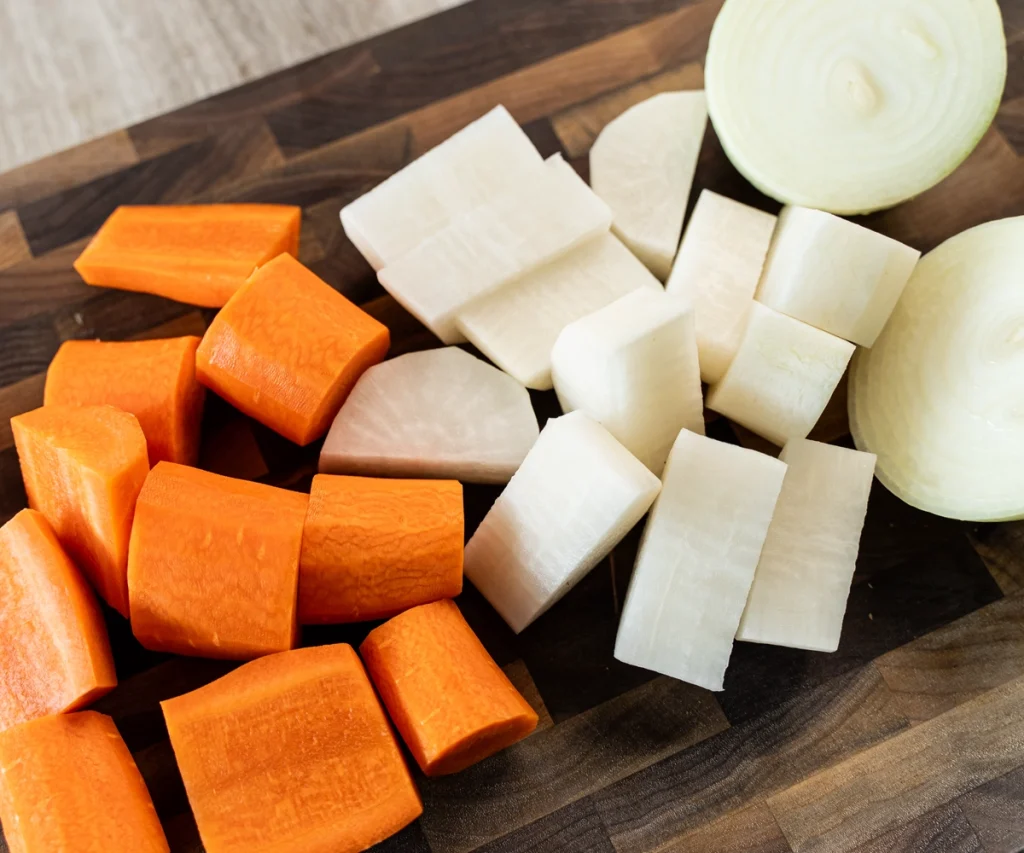
After two hours, the aromatics have done their job of lending their flavor to the broth, so we’ll remove them from the pot to prevent them from dissolving into the soup. Don’t discard the carrots and daikon, as they can be served with the soup if you’d like! Continue letting the pork bones simmer for another 2 hours to extract all the flavor.
Season the Broth
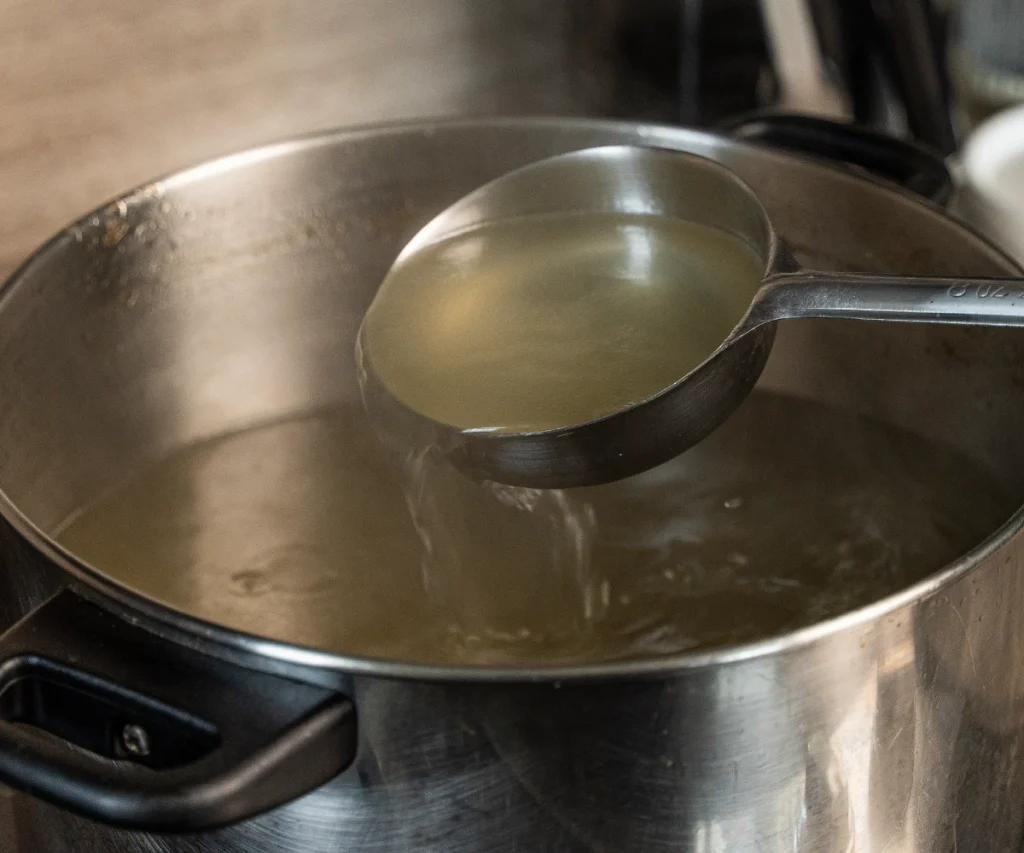
Once the broth tastes rich and the vegetables have given up their sweetness, stir in the Dear Mam fish sauce and the MSG. Now taste and add salt until the broth makes you close your eyes and smile. Pull out the bones and keep the broth at a low simmer while you finish making the rest of the dish.
Cook the Shrimp
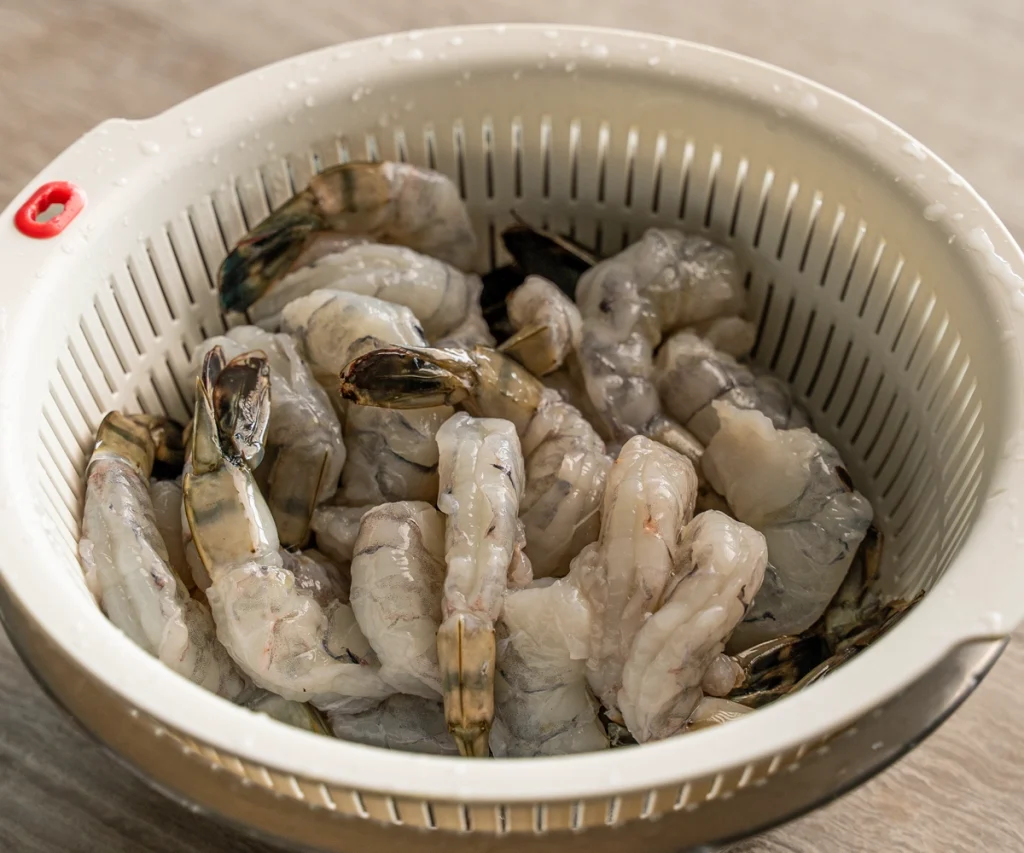
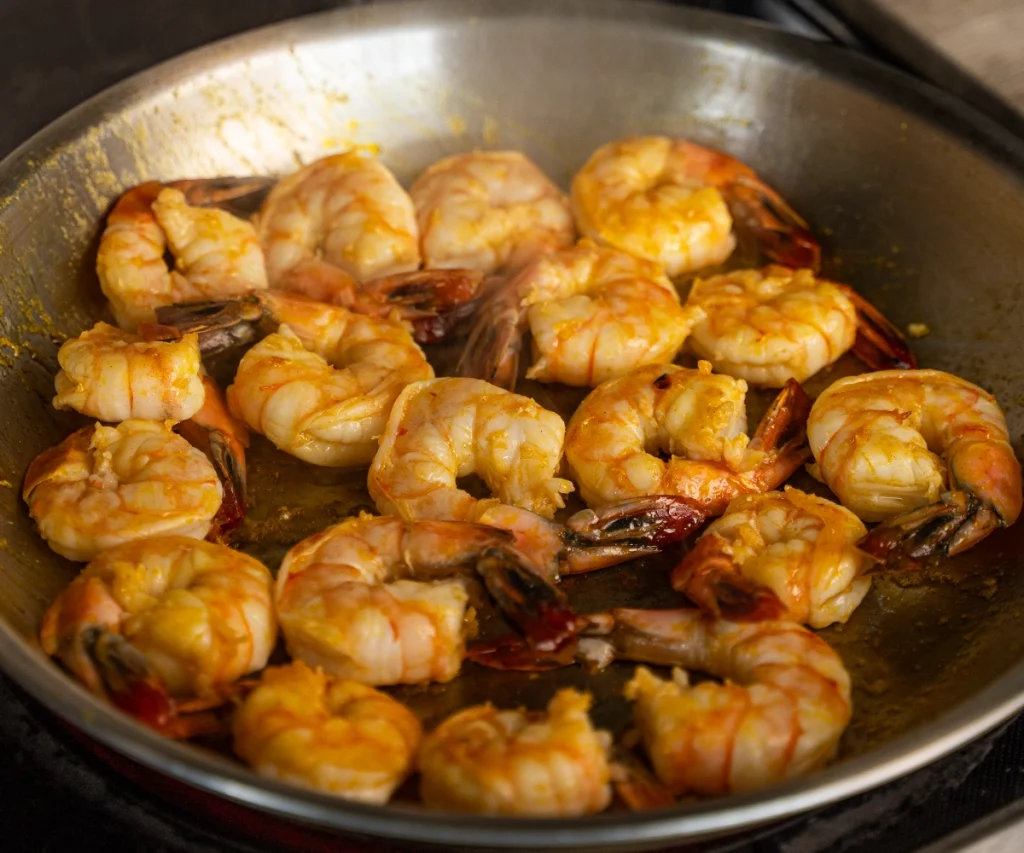
To a large pan on high heat, add a splash of annatto seed oil. Sear peeled and deveined shrimp in a single layer for one to two minutes in the hot pan. Season with salt, white pepper and MSG. Toss to combine, then continue cooking for another minute, or until the shrimp are just about done. Remove them from the pan, let the residual heat cook them through, and set aside.
Assemble Your Bowls
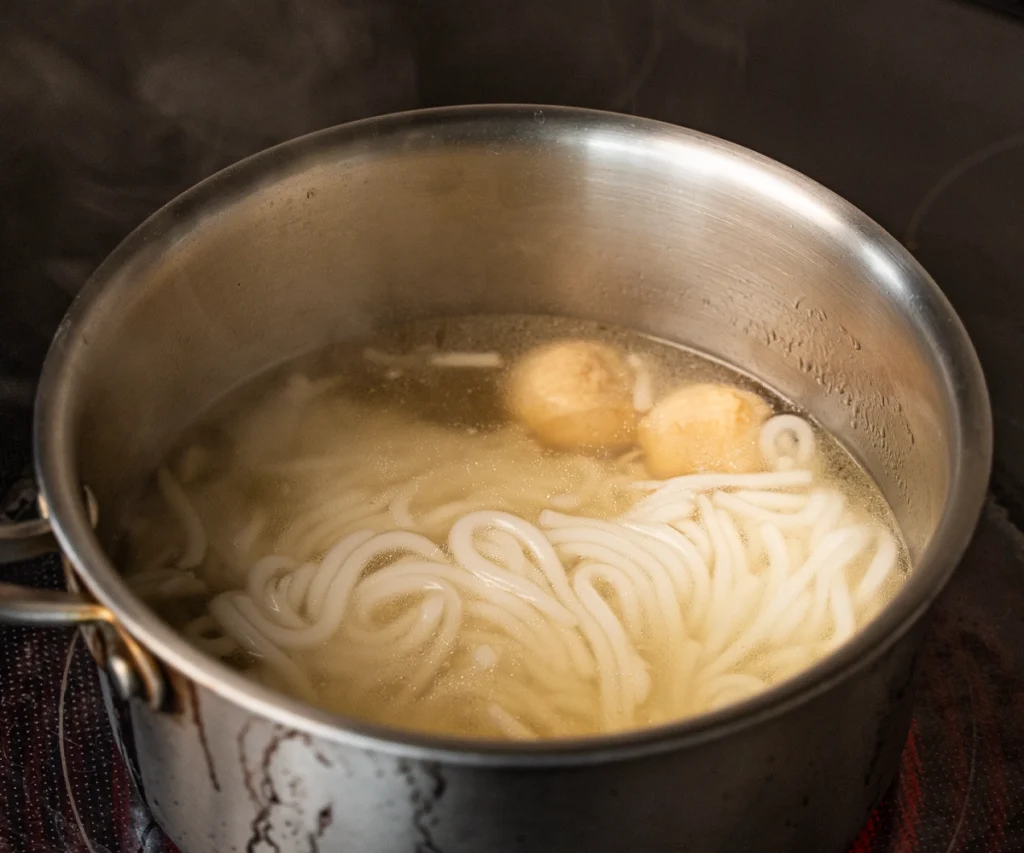
Add the pork broth to a separate, smaller pot and bring it up to a boil. Add in the shrimp balls and banh canh noodles. Cook the noodles for a couple of minutes or until they float to the top. Cook the noodles only when you’re ready to serve so that they stay springy and chewy.
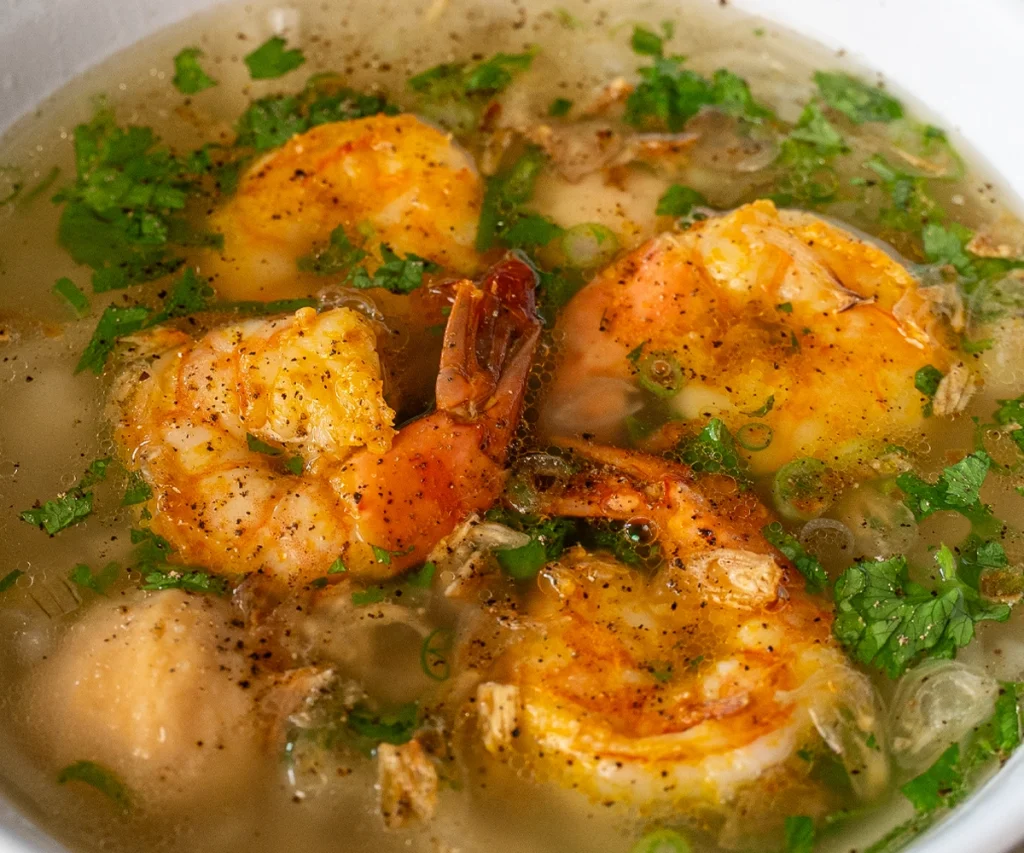
Pour the soup along with the noodles and shrimp balls into a serving bowl. Top with white onions, green onions, and cilantro. Top with the sauteed shrimp. Garnish with fried shallots and fresh ground black pepper. Enjoy!
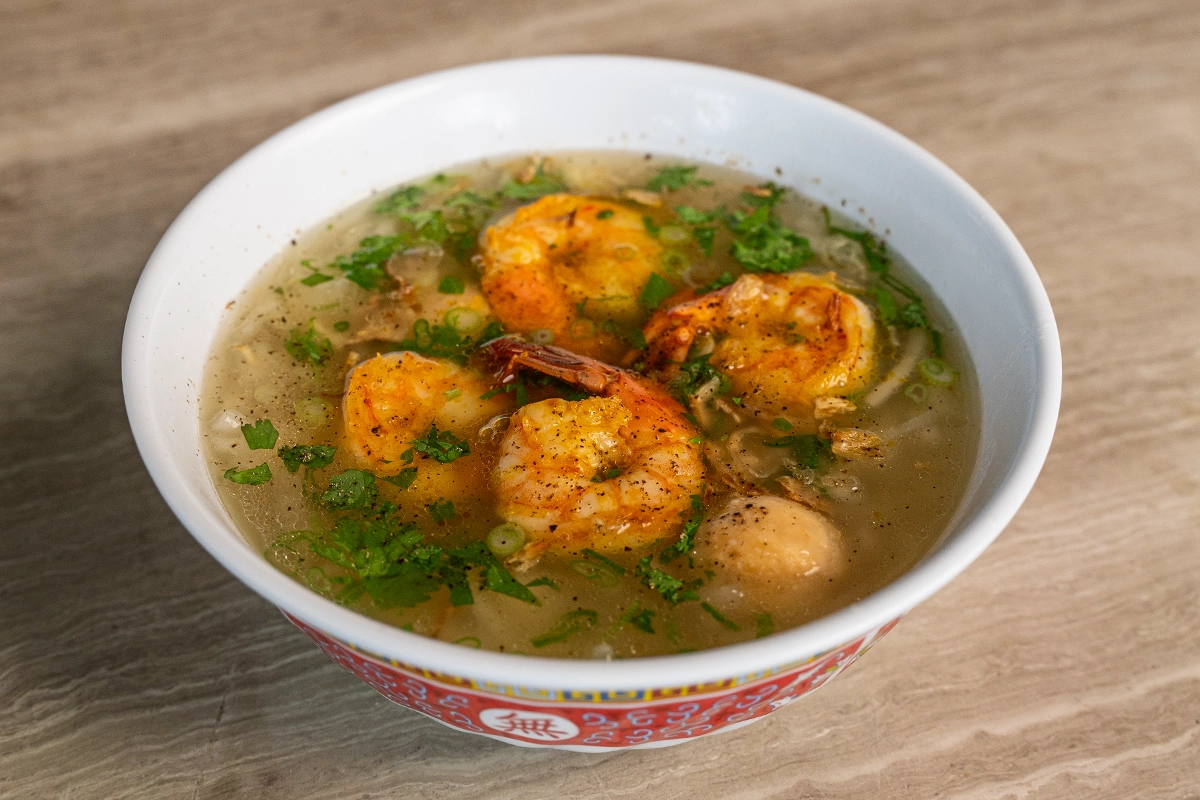
Banh Canh Tom / Tapioca Noodle Soup with Shrimp
6-8
servings40
minutes4
hoursIngredients
- Broth:
4 lbs 4 Pork Bones (Neck, Knuckle, and Marrow)
4 quart 4 Water
1/2 cup 1/2 Dried Shrimp
1 1 Yellow Onion
2 Large 2 Carrots
1 Medium 1 Daikon
3 tbsp 3 Dear Mam Fish Sauce
1 tbsp 1 MSG
Salt to Taste
- Shrimp:
2 lbs 2 Shrimp
2 tbsp 2 Annatto Seed Oil
1/2 tsp 1/2 Salt
1/4 tsp 1/4 White Pepper
1/2 tsp 1/2 MSG
- Noodles:
3 Packages 3 Banh Canh Noodles
- Toppings and Garnishes:
16 oz 16 Shrimp Balls
White Onion
Green Onion
Cilantro
Fried Shallots
Black Pepper
Directions
- Prepwork:
- Peel and cut the onion in half. Peel carrots and daikon and cut into 1″ pieces. Finely slice white onion, and chop up green onions and cilantro to use as a garnish
- Soak dried shrimp in room temperature water for 5-10 minutes, then drain
- Make the broth:
- Place the pork bones in a large pot, cover with cold water, and bring to a rolling boil. Boil hard for 5 minutes, then drain, rinse under cold water, and scrub clean. Wash the pot
- Fill the clean pot with fresh water and bring to a boil. Add the pork bones, rehydrated dried shrimp, onion, carrots, and daikon. Simmer low and slow for 2 hours, skimming as needed to keep the broth clear
- After two hours, remove the aromatics so they don’t dissolve into the soup, reserving the carrots and daikon to serve alongside if you like. Continue simmering the bones for another 2 hours
- Remove the bones. Season with Dear Mam Fish Sauce and MSG. Keep the broth at a low simmer
- Cook the shrimp:
- Heat a splash of annatto seed oil in a large pan over high heat. Sear the peeled, deveined shrimp in a single layer for 1 to 2 minutes. Season with salt, white pepper, and MSG, toss, and cook for 1 more minute until just shy of done. Remove and let the residual heat finish them. Set aside
- Assemble your bowl:
- Bring the broth to a boil in a separate, smaller pot. Add the shrimp balls and banh canh noodles, cooking for a minute or until the noodles float
- Pour the soup, noodles, and shrimp balls into a bowl. Top with white onion, green onion, cilantro, and the sautéed shrimp. Garnish with fried shallots and black pepper. Enjoy!
Did you make this recipe?
Tag @feedthepudge on Instagram and hashtag it with #feedthepudge
If you like this recipe, make sure you pin it!
Substitutions and Variations
Make this bowl your own with a few simple swaps.
- Noodle swap: Fresh banh canh noodles deliver the best texture, but you can substitute udon if your store does not carry banh canh noodles. The chew comes close enough to satisfy a craving.
- Protein add-ins: Many cooks add sliced pork or crab to turn this into banh canh tom thit or banh canh tom cua. Stir in whatever you love, since the broth welcomes the company.
- Annatto oil shortcut: If you cannot find annatto seed oil, a small amount of paprika stirred into neutral oil mimics that warm color, though the flavor shifts slightly.
- Heat lovers: Drizzle chili oil or add a few slices of fresh chili at the table for a gentle kick.
How to Store and Reheat
Store the broth, noodles, and shrimp in separate containers in the refrigerator. This keeps the noodles from turning mushy and the shrimp from overcooking. The broth holds beautifully for up to four days, and many people swear it tastes even better the next day once the flavors have settled. When you are ready for another bowl, bring the broth back to a gentle simmer, cook fresh noodles, briefly warm the shrimp, and assemble. The broth also freezes well for up to three months, so make a big batch and tuck some away for a rainy day.

