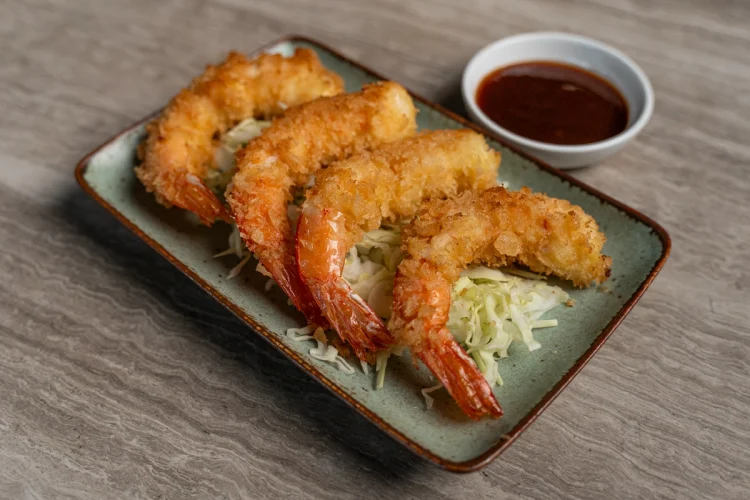
A handful of years ago, while traveling through Japan, I stumbled into a tiny katsu-ya tucked in Akihabara. There was no English name on the front and no English menu inside. The space was small, the menu even smaller, and the focus was crystal clear. Using Google Translate and a lot of pointing, I figured out that they served ebi fry, and I honestly wish I had done a better job documenting that meal, because I have been dreaming about it ever since. What arrived at the counter was simplicity at its absolute best. Massive shrimp the size of my hand, coated in fresh panko and fried to a perfectly golden finish. The plate came with a bowl of rice, a mountain of finely shredded cabbage, and a side of homemade tonkatsu sauce. No frills. No distractions. Just a perfectly balanced meal that let each component shine. Today, we are recreating that experience at home. This ebi fry recipe is crisp, light, and deeply comforting, paired with homemade tonkatsu sauce that brings it all together.
What Is Ebi Fry
Ebi fry is a classic Japanese fried shrimp dish and a staple of yoshoku cooking. Yoshoku refers to Western-inspired dishes that were adapted to Japanese tastes during the late nineteenth and early twentieth centuries. While tempura often gets more global recognition, ebi fry holds a special place in everyday Japanese dining, especially in katsu restaurants and home kitchens. Ebi fry is a large shrimp that has been peeled, straightened, breaded with panko, and deep-fried until crisp. What sets it apart from other fried shrimp dishes is the texture. Japanese panko creates an airy, crunchy crust rather than a dense or greasy coating. The shrimp themselves are kept intact and juicy, with the tail left on for presentation and ease of eating.

Ebi fry is commonly served as part of a teishoku-style meal. This usually includes rice, shredded cabbage, miso soup, and a dipping sauce. While tartar sauce is sometimes used, tonkatsu sauce is the most traditional pairing. The sweetness, acidity, and umami of the sauce beautifully balance the richness of the fried shrimp. This dish is beloved because it is approachable, nostalgic, and satisfying. It’s the kind of meal that feels special without being complicated.
How To Make Ebi Fry
Prepping the Shrimp
For this recipe, use the largest shrimp you can possibly find. Peel off the shells while leaving the tail segment intact. Remove the vein from each shrimp by using a skewer or toothpick and poking it along the back right underneath the tail segment. Pinch the vein with the skewer and lift out.

Place the shrimp into a bowl and add cornstarch. Toss the shrimp well to clean them, then rinse thoroughly under cold water. Pat completely dry with paper towels. If you want to take the extra step and get that classic straight ebi fry shape, cut shallow slits along the belly side of each shrimp. Gently press down to break the connective muscle fibers. This step prevents curling and gives you that classic straight ebi fry shape. Set the shrimp aside.

Making the Batter
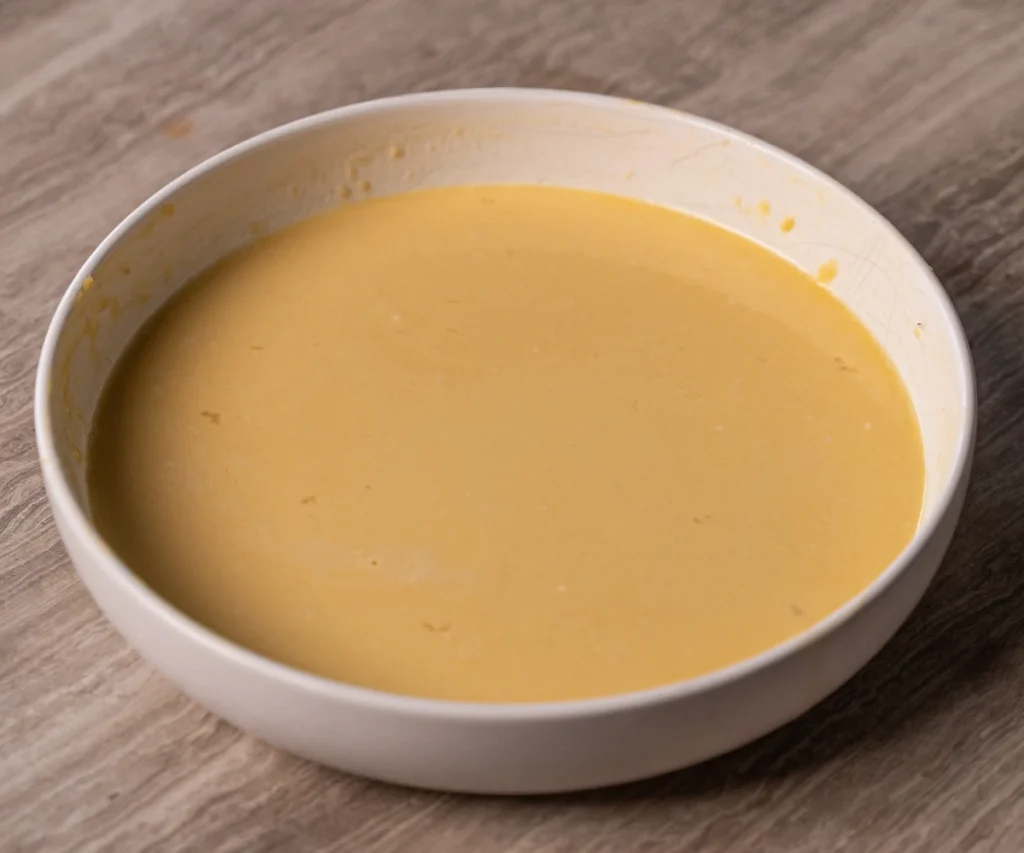
Many recipes use three separate stations of flour, egg, and panko. At the restaurant I visited in Japan, they used a wet batter instead, followed directly by panko. This method creates an even coating and excellent adhesion. So to replicate that, we’ll combine whole eggs, water, flour, and salt. Whisk until smooth. If the batter is too thick, continue adding a little bit of water at a time. The batter should be loose enough to coat the shrimp without being heavy.
Preparing the Panko
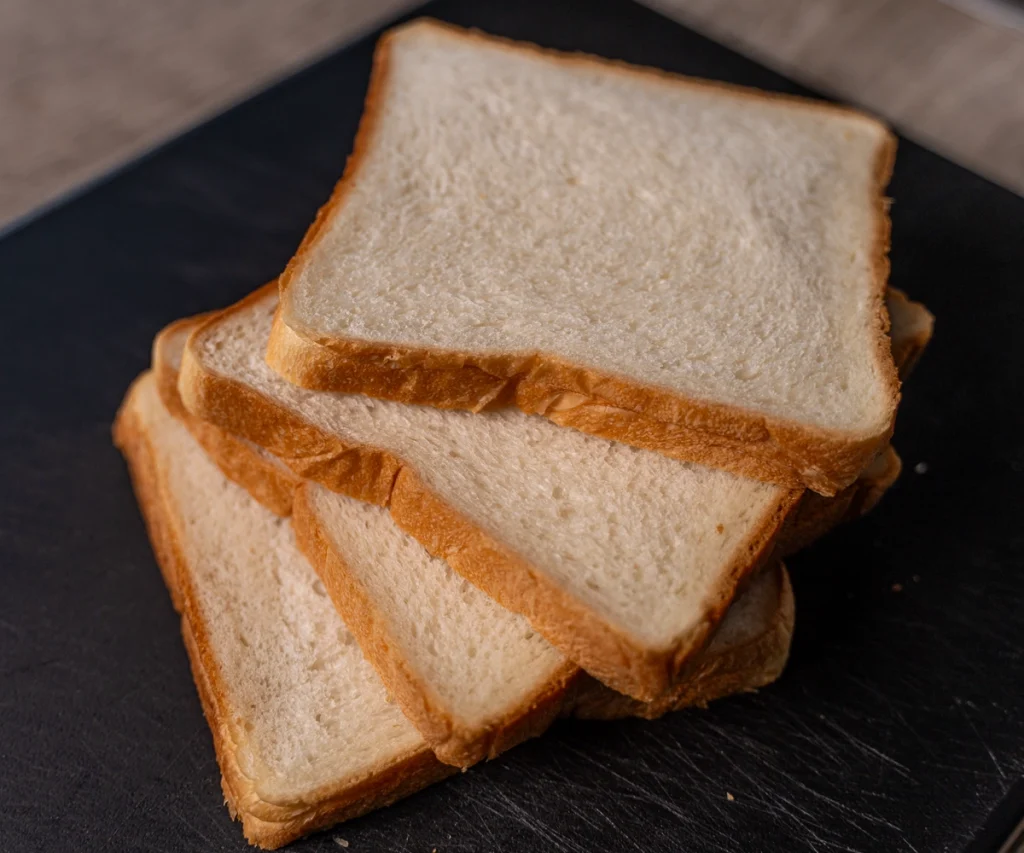
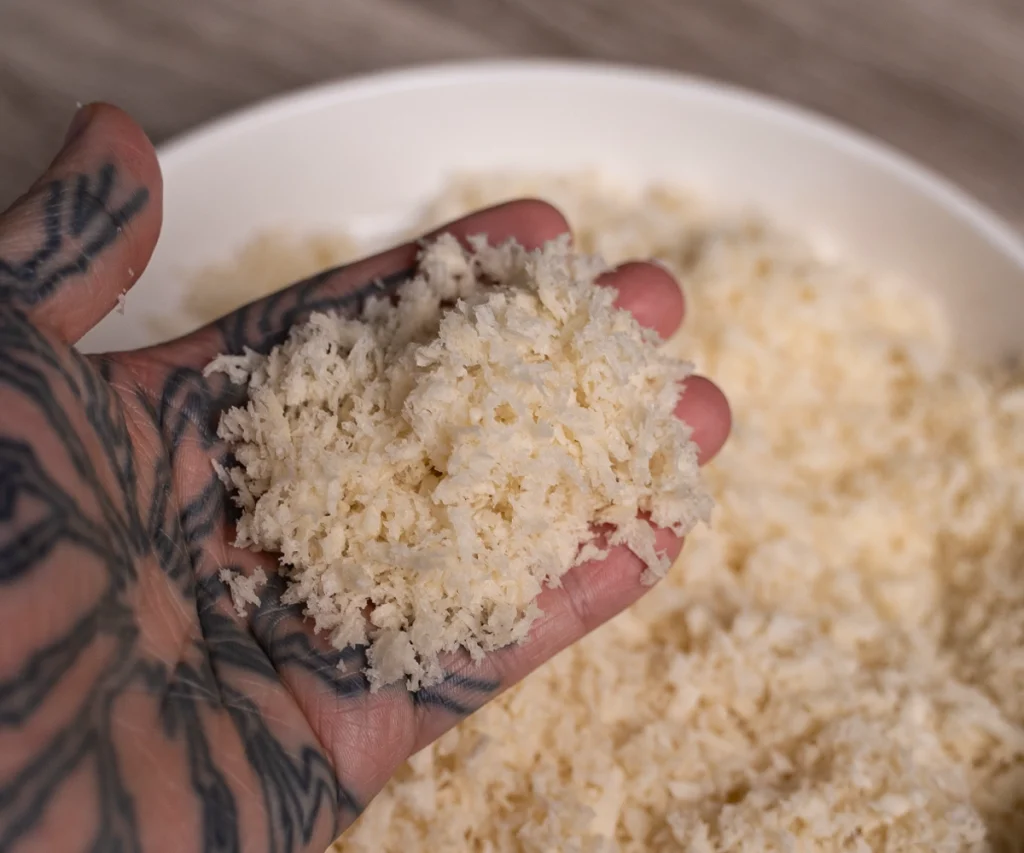
For this recipe, I prefer making fresh panko. With simple dishes like ebi fry, high-quality ingredients make a noticeable difference. But for convenience, feel free to use the store-bought version! Using shokupan, Japanese milk bread, trim away the crusts and cut the bread into smaller pieces. Add the bread to a food processor and pulse a few times until lightly shredded. You want fluffy crumbs, not fine breadcrumbs.
Frying the Ebi Fry
Dip each shrimp into the wet batter, letting any excess drip off. Transfer directly into the panko and gently pack it on, making sure the shrimp is fully coated. Heat enough neutral oil to fully submerge the shrimp to 350F. Fry the shrimp for two to three minutes, or until golden brown and cooked through. Transfer the ebi fry to a wire rack or a paper towel-lined plate to drain. Repeat with the remaining shrimp.

How To Make Tonkatsu Sauce
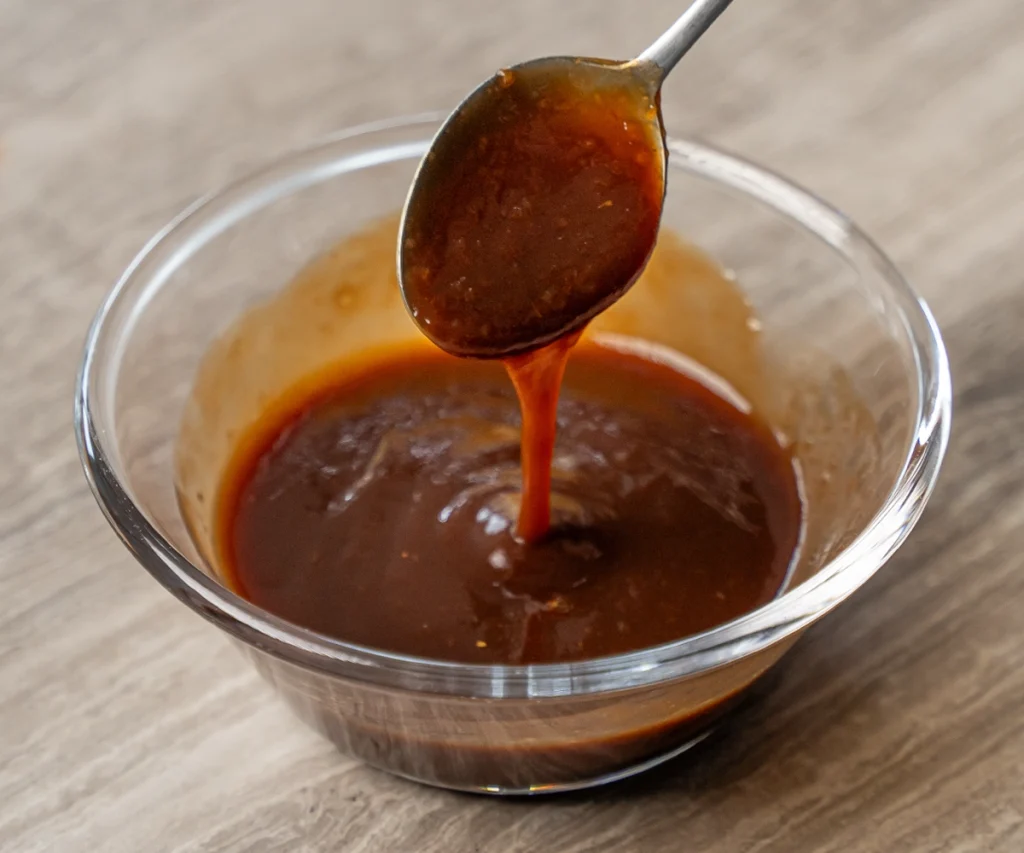
In a mixing bowl, combine ketchup, Worcestershire sauce, oyster sauce, low-sodium soy sauce, brown sugar, and applesauce. Mix well until fully combined and smooth. This homemade tonkatsu sauce is sweet, tangy, and savory, and it complements the crispy shrimp perfectly. It can be made ahead of time and stored in the refrigerator.
Serve The Ebi Fry
Add a generous amount of thinly shredded cabbage to a plate and place the ebi fry right on top. Serve with a bowl of steamed rice, a lemon or lime wedge, and the tonkatsu sauce on the side. Crisp shrimp, warm rice, fresh cabbage, and a great sauce are all you need!


Ebi Fry / Shrimp Katsu
2-3
servings15
minutes5
minutesIngredients
1 lb 1 Shrimp
1 tbsp 1 Cornstarch, for Cleaning Shrimp
2 slices 2 Shokupan
Oil, For Frying
- Wet Batter:
2 2 Eggs
2 tbsp 2 Water
1/4 cup 1/4 All-Purpose Flour
1/2 tsp 1/2 Salt
- Tonkatsu Sauce:
1/3 cup 1/3 Ketchup
1/4 cup 1/4 Worcestershire Sauce
1 tbsp 1 Oyster Sauce
1 tbsp 1 Low Sodium Soy Sauce
1 tbsp 1 Brown Sugar
1 tbsp 1 Apple Sauce
Directions
- Prep the Shrimp:
- Use the largest shrimp you can find. Peel and devein, leaving the tail intact. To remove the vein, slide a skewer or toothpick under the back near the tail, pinch, and pull it out. Add shrimp to a bowl with cornstarch and toss to clean, then rinse thoroughly under cold water. Pat the shrimp until completely dry. (For straight ebi fry, cut shallow slits along the belly side and gently press to break the muscle fibers. This prevents curling.)
- Make the Batter:
- Whisk together eggs, water, flour, and salt until smooth. The batter should be loose enough to lightly coat the shrimp without being thick or heavy. Add a little more water if needed to loosen up the batter
- Prepare the Panko:
- For fresh panko, trim crusts from shokupan and cut into pieces. Pulse briefly in a food processor until fluffy and coarse
- Fry the Shrimp:
- Dip each shrimp into the batter, letting excess drip off, then coat generously in panko. Heat neutral oil to 350F and fry shrimp for 2 to 3 minutes until golden and cooked through. Transfer to a wire rack or paper towel-lined plate to drain
- Make the Tonkatsu Sauce:
- Mix ketchup, Worcestershire sauce, oyster sauce, low-sodium soy sauce, brown sugar, and applesauce until smooth. This sauce can be made ahead and refrigerated
- Serve:
- Serve ebi fry over finely shredded cabbage with steamed rice, a citrus wedge, and tonkatsu sauce on the side. Enjoy!
Did you make this recipe?
Tag @feedthepudge on Instagram and hashtag it with #feedthepudge
If you like this recipe, make sure you pin it!

