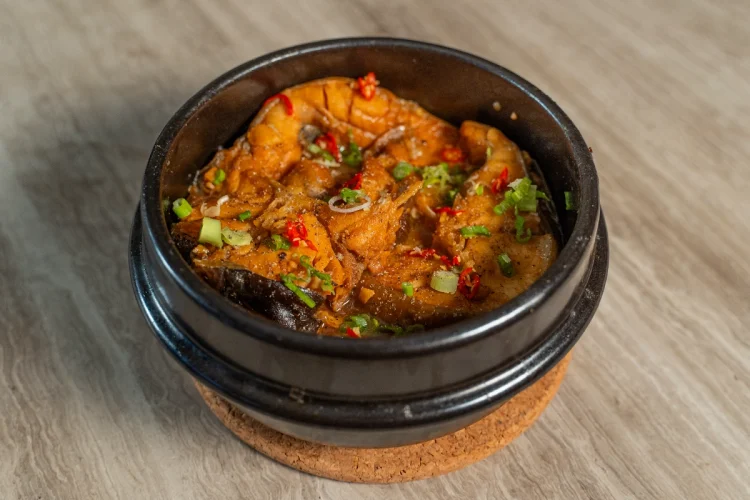
If there was one single dish that truly embodies Vietnamese home cooking, then it would have to be Ca Kho To or Braised Catfish. Arguably one of the most well-known and popular Vietnamese dishes in homes up and down the country, it has that sticky, savory glaze, simple staple ingredients, and a sense of familiarity with every serving. BUT, I have to admit, when I was a kid, this was actually one of my least favorite dishes. There was just something about the flavour and texture of the catfish that I hated. Maybe the slightly fishy and swampy aroma, maybe the skin, or the way the flesh felt on my tongue. But as I grew older and my palate became more refined, I found myself craving the taste of this dish, and it is now something that I crave all the time. Whether you’re new to Vietnamese cooking or looking to reconnect with your roots, this is one of those Vietnamese dishes you absolutely need to know how to make.
Why Catfish?
Catfish has long been adapted in Vietnamese home kitchens because it is both affordable and relatively sustainable compared to many other seafood options. It’s widely available in freshwater and farmed systems, especially in the Mekong Delta region. The cooking technique for ca kho to favors fish like catfish because it holds up well during the braising period, absorbs flavors deeply, and provides excellent value for everyday meals.
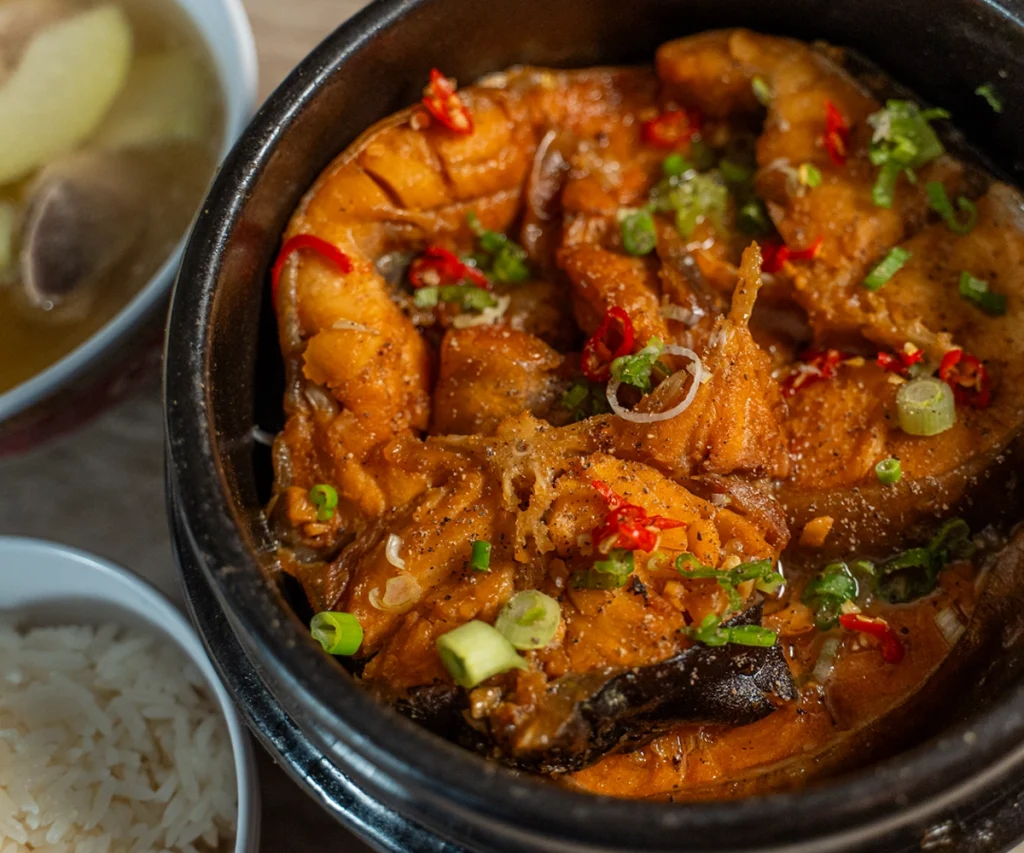
Characteristics of catfish
In terms of look and feel, catfish steaks have a firm consistency, so they don’t fall apart during the braising process. The flesh has a mild yet distinctive flavour, with a hint of richness thanks to its fat content. The skin becomes slightly sticky and glossy under the caramel glaze, and the meat remains moist and yielding. Texture-wise, you’ll find it tender yet with enough body to withstand the slow simmering in caramel and fish sauce.

Fish alternatives if you don’t like catfish
If catfish is not your favorite or you can’t easily obtain it, then there are good alternatives. A few well-suited substitutes include:
- Salmon steaks: richer flavor, very meaty, widely available
- Tilapia or basa: milder flavor, more neutral for new palates, even more cost-effective
- Cod, sea bass, or snapper: still firm enough for braising and holds its shape well
How to Make Ca Kho To
1. Prep the fish
Begin with your catfish steaks (bone-in is fine), though you can certainly use fillets if you prefer. Rinse with salt water and pat dry. (This helps reduce some of the swampy odor). Then, in a bowl, gently marinate the catfish with fish sauce, MSG (optional if you use it), black pepper, and a light drizzle of oil. Let this sit for about 10-15 minutes to allow the flavours to penetrate the flesh.
2. Make the nước màu (Vietnamese caramel)
In a heavy-bottomed pot or clay-style vessel, heat sugar on medium-low heat. Stir occasionally. First, the sugar will start to harden; then, it will eventually melt fully and turn a dark amber color. It is crucial to go low and slow here because if the sugar burns, you will end up with an acrid flavor. Once the sugar has reached dark amber colour, add a splash of oil to loosen it up and prevent crystallisation. If you’re using a dark-colored clay pot, be attentive, as it’s hard to see when the color of the sugar becomes too dark. Optionally, make the caramel in a stainless steel pot before transferring to a clay pot.
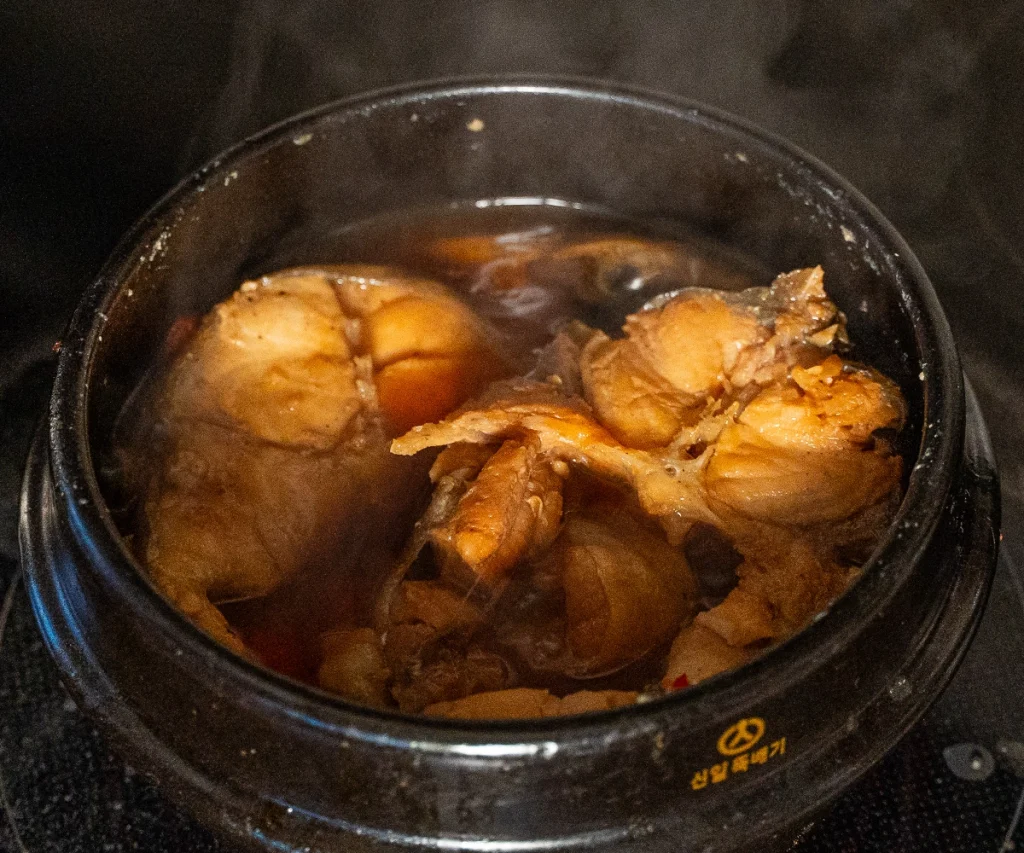
3. Build the dish
After your caramel is ready, add in the minced aromatics (shallots and garlic) along with chopped Thai chilli (if you like heat). Sauté for about 1 minute, until fragrant. Then add the marinated catfish and sear for a couple of minutes, allowing the fish to absorb some caramel and aromatics. Next, pour in fish sauce, Coco Rico (or coconut soda/coconut water, if you prefer), and black pepper. Bring to a boil, then reduce the heat to low. Let the fish simmer gently for about 15-20 minutes. You are aiming for the catfish to be tender but not falling apart. The sauce should reduce and thicken to a glossy glaze.
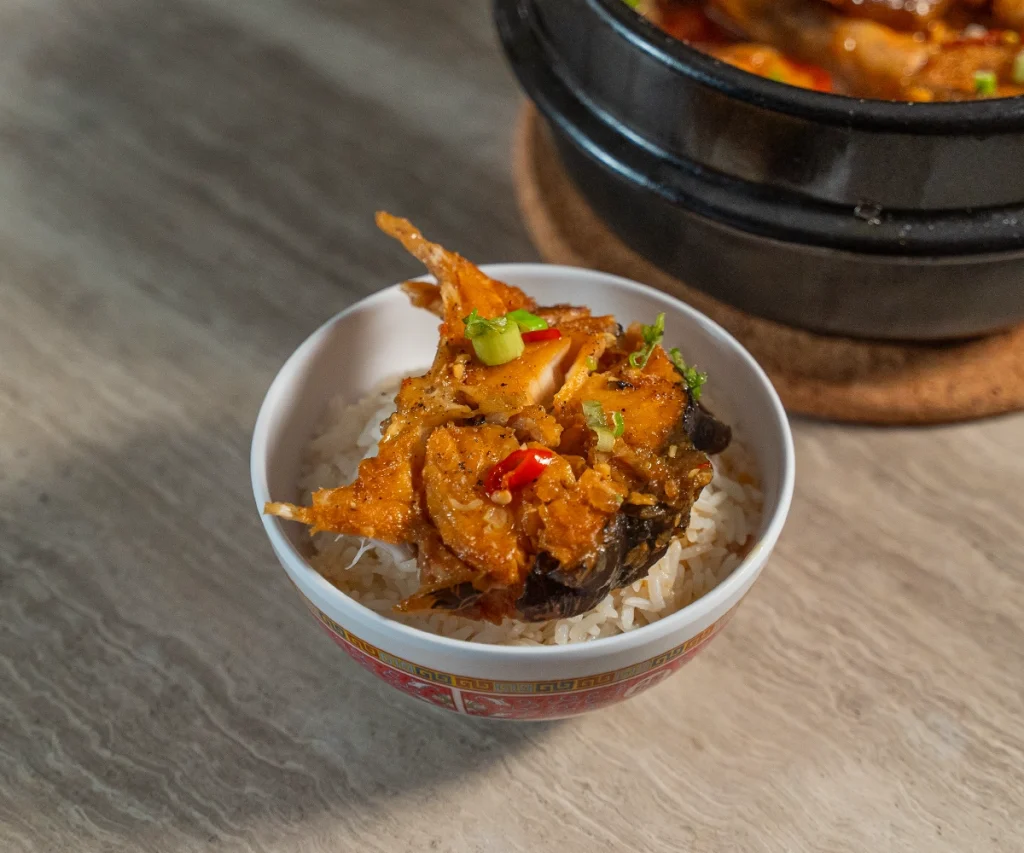
4. Serve
Serve the braised fish hot, accompanied by steamed white rice. The sticky caramel sauce pairs beautifully with rice and a side of pickled mustard greens or fresh cucumber to lighten the richness.

Ca Kho To / Braised Catfish
3-4
servings15
minutes30
minutesIngredients
2 lb 2 Catfish Steaks
- Marinade:
1 tbsp 1 Fish Sauce
1 tsp 1 MSG
1/2 tsp 1/2 Black Pepper
1 tbsp 1 Oil
- Caramel:
3 tbsp 3 Sugar
1 tbsp 1 Oil
- Sauce:
1 tbsp 1 Shallots, Minced
1 tbsp 1 Garlic, Minced
2 2 Thai Chilis
3 tbsp 3 Fish Sauce
6 oz 6 Coco Rico
1/4 tsp 1/4 Black Pepper
- Garnishes:
Green Onion
Thai Chili
Black Pepper
Directions
- Prep the Catfish:
- Scrub the catfish with kosher salt, then rinse with water and pat dry your catfish steaks or fillets. In a bowl, marinate with fish sauce, MSG (optional), black pepper, and a touch of oil. Let it sit for 10 to 15 minutes to absorb the seasoning
- Make the Nước Màu (Vietnamese Caramel):
- In a heavy pot or clay pot, heat sugar over medium-low heat. Stir occasionally as it melts and turns a deep amber color. Be patient and avoid burning the sugar. Once it reaches a rich amber hue, add a splash of oil to loosen it up and prevent hardening
- Build the Dish:
- Add minced shallots, garlic, and chopped Thai chili to the caramel. Sauté for about a minute until fragrant. Add the marinated catfish and sear for a couple of minutes to coat it in the caramel. Pour in fish sauce, Coco Rico (or coconut soda/water), and black pepper. Bring to a boil, then lower the heat and simmer gently for 15 to 20 minutes until the fish is tender but still holds its shape. The sauce should reduce into a thick, glossy glaze.
- Serve:
- Serve hot with steamed jasmine rice. Spoon the caramelized sauce over the fish and rice, and enjoy with pickled mustard greens or fresh cucumber for balance!
Did you make this recipe?
Tag @feedthepudge on Instagram and hashtag it with #feedthepudge
If you like this recipe, make sure you pin it!

